The 2022 Russian Invasion: Causes, Initial Advances, and Ukrainian Resistance
By Scott Burton Official for TrumpTrain.net (8 min read)

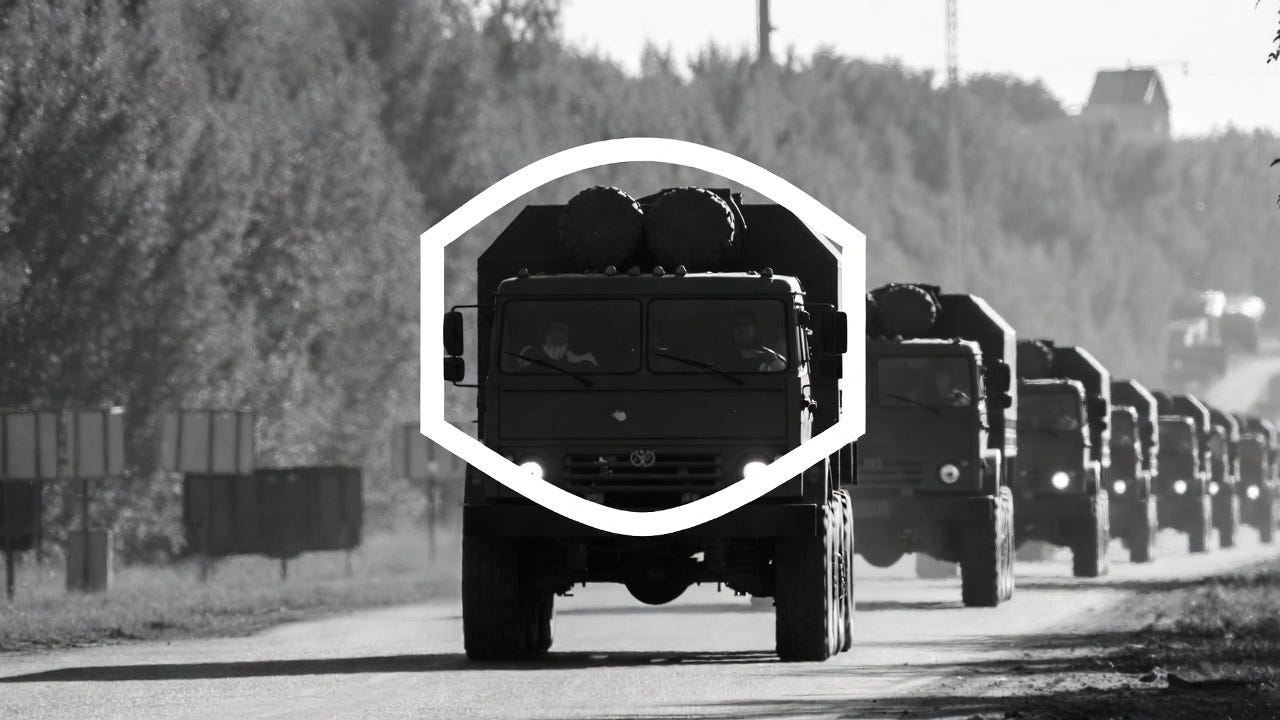
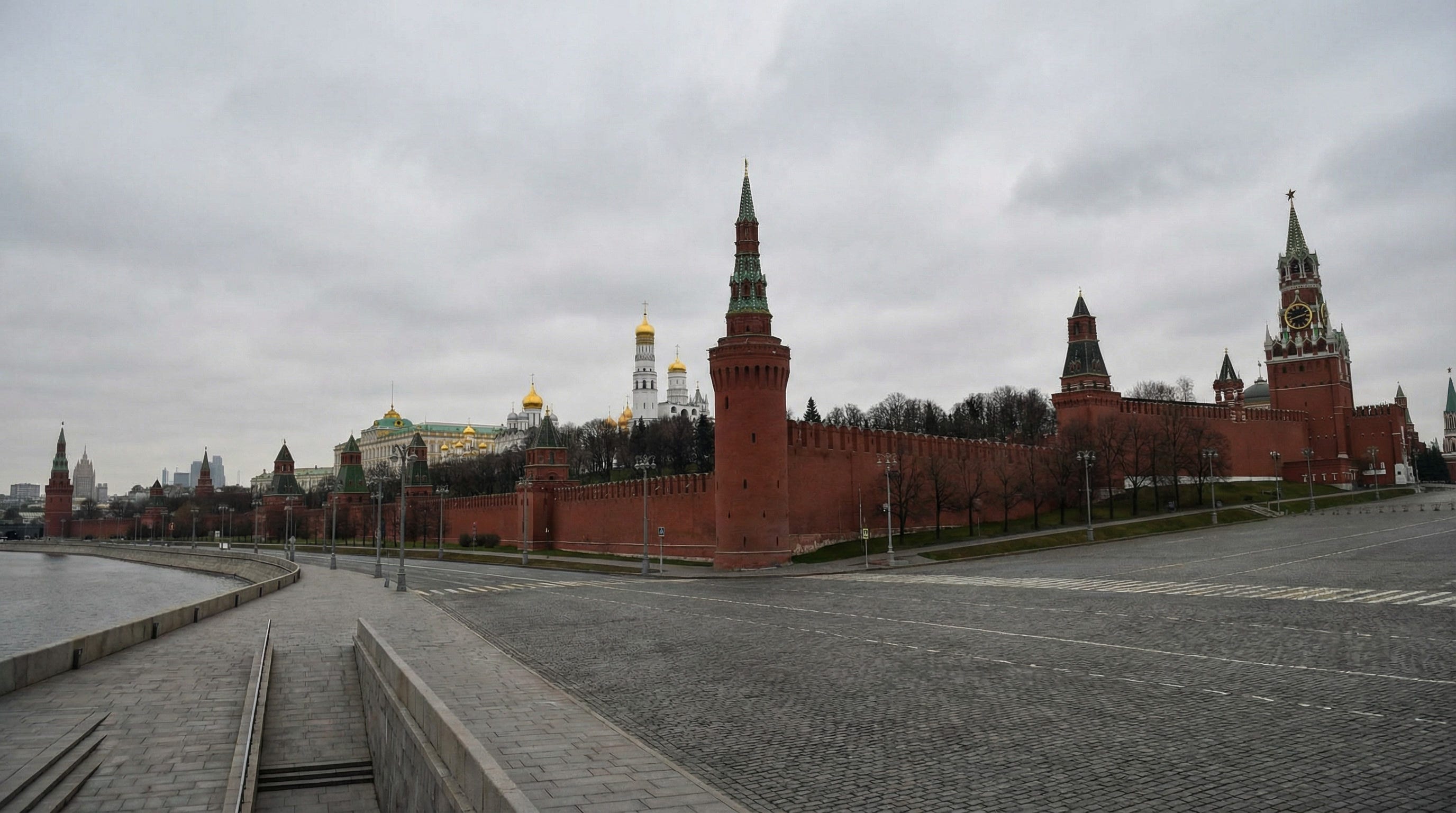
MOSCOW — Russia launched a full-scale invasion of Ukraine on February 24, 2022, with forces advancing from Belarus in the north, Russia in the east, and occupied Crimea in the south. President Vladimir Putin announced the operation in a televised address early that morning, describing it as a “special military operation” to demilitarize and denazify Ukraine and protect people in Donbas. Russian troops crossed the border at multiple points, and air strikes hit military targets across the country. The invasion followed months of troop buildup and failed diplomatic efforts to address Russian security concerns.
Preceding Events and Russian Stated Causes
Russia massed more than 100,000 troops near Ukraine’s borders throughout 2021. Putin demanded written guarantees that NATO would not expand eastward and would remove infrastructure from countries that joined after 1997. Negotiations with the United States and NATO in January 2022 produced no agreement. Russia conducted joint exercises with Belarus and increased forces along the border.
On February 21, 2022, Putin recognized the Donetsk People’s Republic and Luhansk People’s Republic as independent states. He signed mutual assistance treaties with their leaders. Russian forces entered those areas the same day. Putin cited protection of Russian speakers in Donbas from alleged genocide, prevention of Ukraine becoming a NATO base, and reversal of alliance expansion as reasons for the operation. He claimed the action would be limited and not aimed at occupying Ukraine.
The invasion followed eight years of conflict in Donbas after Russia’s annexation of Crimea in 2014. Ceasefire agreements known as Minsk I and Minsk II had been signed in 2014 and 2015, but violations continued on both sides.
Initial Russian Advances
Russian ground forces advanced from three main directions on February 24. From Belarus, columns moved south toward Kyiv, aiming to encircle the capital. From the east, troops pushed into Kharkiv and Donbas regions. From Crimea, forces advanced north toward Kherson and east toward Mariupol.
Air and missile strikes targeted Ukrainian air defenses, command centers, and airfields. Russian airborne units attempted to seize Hostomel airport northwest of Kyiv on the first day. Naval forces blockaded Ukraine’s Black Sea coast.
By early March, Russian forces captured Kherson, the first major city to fall. They encircled Mariupol and advanced toward Zaporizhzhia. In the north, a large convoy approached Kyiv but faced supply delays.
Russian advances continued in the south, reaching the outskirts of Mykolaiv and threatening Odessa. In the east, fighting intensified around Donetsk and Luhansk.
Ukrainian Response and Early Resistance
President Volodymyr Zelenskyy declared martial law on February 24 and ordered general mobilization. Ukrainian forces engaged Russian columns at multiple points. Defenses held in most major cities, including Kharkiv despite heavy shelling.
Civilians received weapons distribution in Kyiv and other cities. Territorial defense units formed rapidly. Ukrainian air defenses and aircraft remained operational in the opening weeks. Bayraktar drones struck Russian armor.
International support began immediately. The United States and allies imposed sanctions and provided military aid, including anti-tank weapons.
Stalemate and Shift in Focus
Russian advances toward Kyiv slowed by mid-March. Ukrainian forces counterattacked around the capital. Russia withdrew from northern regions in early April, redeploying to eastern and southern Ukraine.
Fighting intensified in Donbas. Russian forces captured most of Luhansk oblast by July 2022. Mariupol fell in May after a prolonged siege of the Azovstal steel plant.
Ukraine launched counteroffensives in the fall. Forces recaptured Kharkiv oblast territory in September 2022. A counteroffensive in Kherson oblast led to Russian withdrawal from the city in November 2022.
Developments from 2023 to 2025
The front line stabilized along a roughly 1,000-kilometer contact line by late 2022. Russia conducted partial mobilization in September 2022. Ukraine received advanced Western weapons systems, including artillery and air defense.
Both sides carried out long-range strikes on infrastructure and military targets. Russia annexed four Ukrainian regions in September 2022 following referendums not recognized internationally.
Fighting continued in Donbas with Russian gains in certain areas. Ukrainian defenses held key positions.
In 2024–2025, Ukraine conducted an incursion into Russia’s Kursk oblast. Objectives included creating a buffer zone and diverting Russian forces. Outcomes included temporary control of territory but eventual Russian counteractions.
Drone warfare evolved significantly. Both sides conducted strikes deep into enemy territory, targeting energy infrastructure, military bases, and production facilities.
International Response and Aid
Western countries imposed sanctions on Russia. The United States and allies provided military and financial assistance to Ukraine. Aid included weapons, training, and intelligence.
NATO increased presence in eastern member states but did not enforce a no-fly zone or deploy troops in Ukraine.
Conclusion
The 2022 Russian invasion marked a major escalation in the conflict that began in 2014. Initial advances gave way to prolonged fighting, with significant developments in Donbas, Kursk, and drone operations through 2025. The war has continued into 2026 with unresolved issues.