The 2026 Midterm Elections: Key Stakes and Voting History in the United States
Eligibility Rules and National Impact

By Scott Burton Official
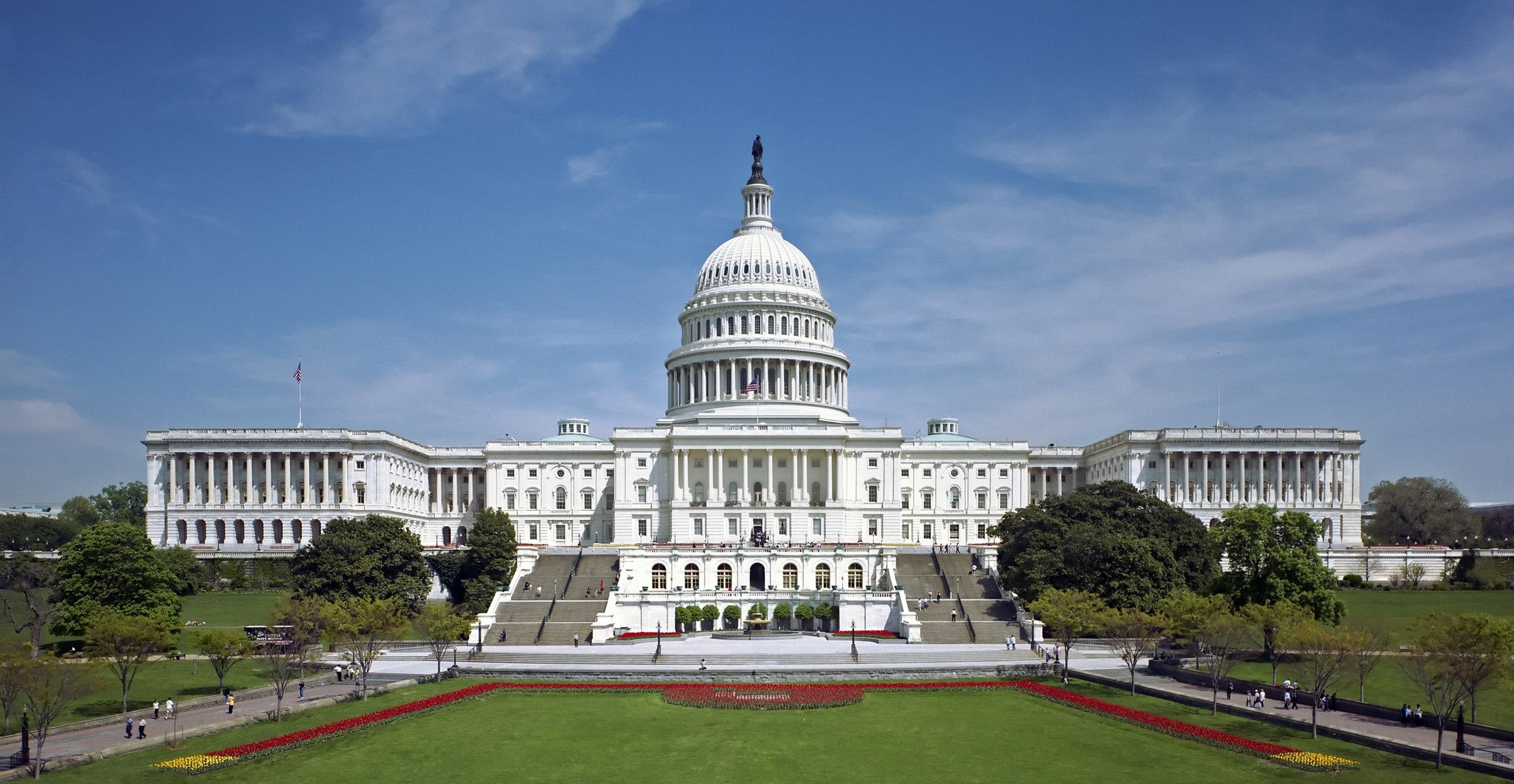
The 2026 elections will occur in all 50 states and the District of Columbia, with the general election set for November 3, 2026. All 435 seats in the U.S. House of Representatives will be contested, which under the Constitution handle passage of federal budgets exceeding 6 trillion dollars annually and oversight of executive actions. 35 seats in the U.S. Senate will be up for election, which confirm over 1,200 executive appointees and federal judges each term.
36 states and territories will elect governors, who administer state budgets totaling over 3 trillion dollars combined and set policies on education funding, law enforcement, and taxes. Numerous state legislative seats, attorneys general, and local offices will also be filled.
Primary elections to select party nominees begin on March 3, 2026, in Arkansas, North Carolina, and Texas, followed by Mississippi on March 10, 2026, and Illinois on March 17, 2026, with the primary season extending through mid-September 2026 in some states.
These 2026 midterm elections—contested across every state with control of the House, one-third of the Senate, dozens of governorships, and countless state offices—will be decided by voters operating under eligibility and procedural rules that trace back more than two centuries.
The framework governing who can register, where and how ballots are cast, and what safeguards apply has been shaped by specific constitutional amendments, federal statutes, and state-level decisions. The following sections outline the key changes in U.S. voting eligibility and procedures from the colonial era forward.
Colonial Period and Early Republic
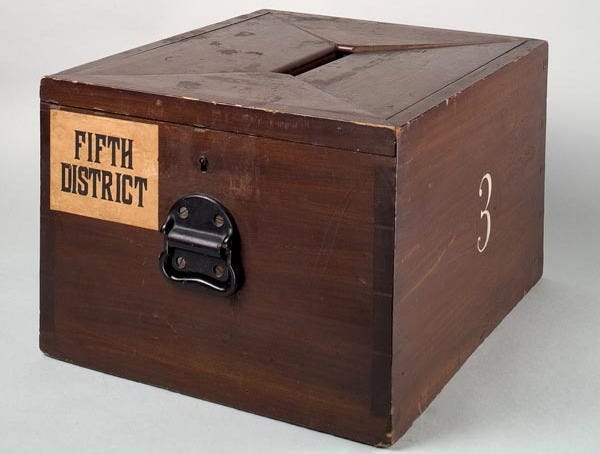
In the British American colonies, voting for colonial assemblies was limited to free white men who owned property or paid taxes, as set by colonial charters and governors. The Virginia House of Burgesses, convened in 1619, operated under these restrictions. Women, enslaved persons, indentured servants, and most free Black men were excluded from voting in colonial elections. After independence in 1776, states adopted constitutions that generally continued the same eligibility rules for free white men. New Jersey’s constitution permitted property-owning women to vote until the legislature enacted a change in 1807. Between the 1820s and 1856, state constitutional conventions or legislative acts removed property and tax qualifications for white men in most states. By 1856, nearly all white adult males in the United States met state voting requirements.
Amendments Following the Civil War
Ratification of the 14th Amendment on July 9, 1868, defined citizenship as birth or naturalization in the United States and subject to its jurisdiction. Ratification of the 15th Amendment on February 3, 1870, stated that the right to vote shall not be denied or abridged by the United States or any state on account of race, color, or previous condition of servitude. During the period known as Reconstruction from 1865 to 1877, federal military presence and enforcement acts enabled Black men to register, vote, and hold elected office in Southern states. After withdrawal of federal troops in 1877, Southern state legislatures enacted poll taxes, literacy tests, grandfather clauses, and other requirements. These state measures reduced Black voter registration to very low levels in many Southern jurisdictions by the early 20th century. Supreme Court decisions addressed state voting restrictions, including Williams v. Mississippi in 1898, which upheld literacy tests and poll taxes under certain conditions.
19th Amendment and Amendments on Age and D.C. Voting
Ratification of the 19th Amendment on August 18, 1920, stated that the right to vote shall not be denied or abridged by the United States or any state on account of sex. Organized efforts for the amendment included the Seneca Falls Convention held in July 1848 and continued through state-level suffrage laws and national campaigns. Ratification of the 23rd Amendment on March 29, 1961, provided that residents of the District of Columbia shall have electors in presidential elections as if it were a state. Ratification of the 26th Amendment on July 1, 1971, stated that the right to vote shall not be denied or abridged by the United States or any state on account of age for citizens 18 years of age or older.
Native American Citizenship and Voting
Enactment of the Indian Citizenship Act on June 2, 1924, granted United States citizenship to all Native Americans born within the territorial limits of the United States. Several states continued to prohibit voting by Native Americans after 1924. Arizona and New Mexico maintained restrictions until state supreme court rulings or legislative changes in 1948.
Voting Rights Act of 1965 and Subsequent Federal Laws
Congress enacted the Voting Rights Act on August 6, 1965, which prohibited literacy tests and other specified practices and required federal preclearance for changes to election laws in certain jurisdictions. Renewals of the Voting Rights Act by Congress occurred in 1970, 1975, 1982, and 2006. The Supreme Court decision in Shelby County v. Holder on June 25, 2013, invalidated the coverage formula used to determine jurisdictions subject to preclearance. Congress enacted the National Voter Registration Act on May 20, 1993, which required states to provide voter registration opportunities at motor vehicle agencies and public assistance offices. Congress enacted the Help America Vote Act on October 29, 2002, which established minimum standards for voting systems, provisional ballots, and voter registration databases.
Absentee, Mail-in, and Early Voting Procedures
Absentee voting for soldiers was authorized during the Civil War and later extended by state laws to civilians. Many states adopted no-excuse absentee voting and early in-person voting statutes beginning in the late 20th century. In 2020, 46 states permitted no-excuse mail-in ballots in response to the COVID-19 pandemic. States have maintained or modified mail-in and early voting rules from 2020 into 2026.
Conclusion
The U.S. Constitution and federal statutes establish the basic requirements for voting eligibility: U.S. citizenship and age 18 or older on Election Day. States retain authority to set residency rules, registration processes, voter identification standards, polling place operations, ballot counting procedures, and the use of mail-in, absentee, and early voting options. These state-level variations persist across the 50 states and the District of Columbia as of February 2026.
The 2026 midterm elections, with primaries beginning in March 2026 and the general election on November 3, 2026, will directly apply this long-established combination of federal and state provisions. The outcome will determine who controls the House of Representatives (responsible for originating federal spending bills exceeding 6 trillion dollars annually), who holds the Senate seats that confirm executive appointees and judges, and who occupies the 36 governorships that oversee state budgets totaling more than 3 trillion dollars combined, along with policies affecting taxes, law enforcement, education funding, and border enforcement in their jurisdictions. The results of these elections will shape the immediate direction of national and state governance for the next two years.