
The Battle for Donbas: Russian Gains and Ukrainian Defenses from 2022 to 2026
Overview of the central theater of the Russia-Ukraine conflict since the 2022 escalation

By Scott Burton Official
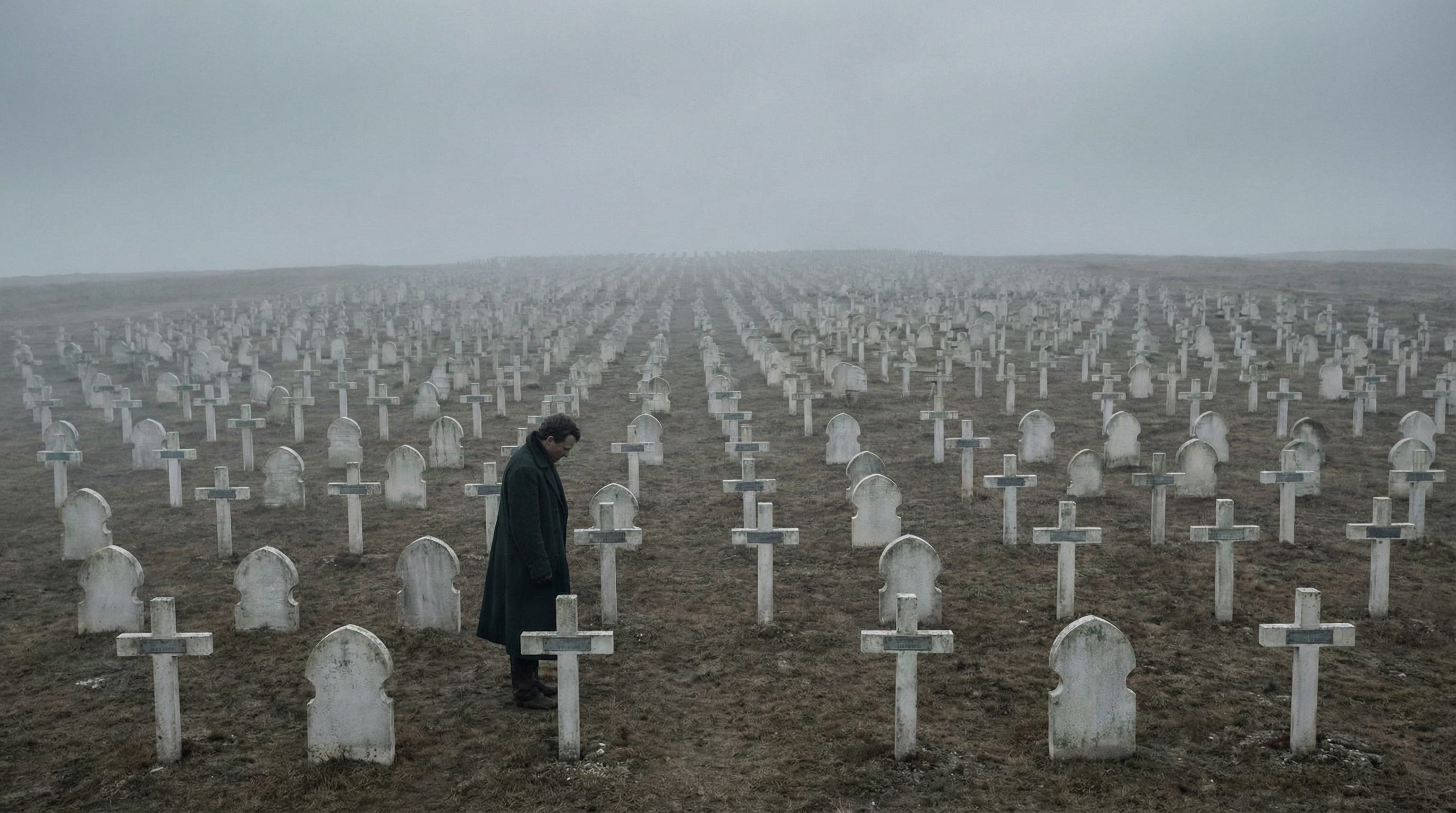
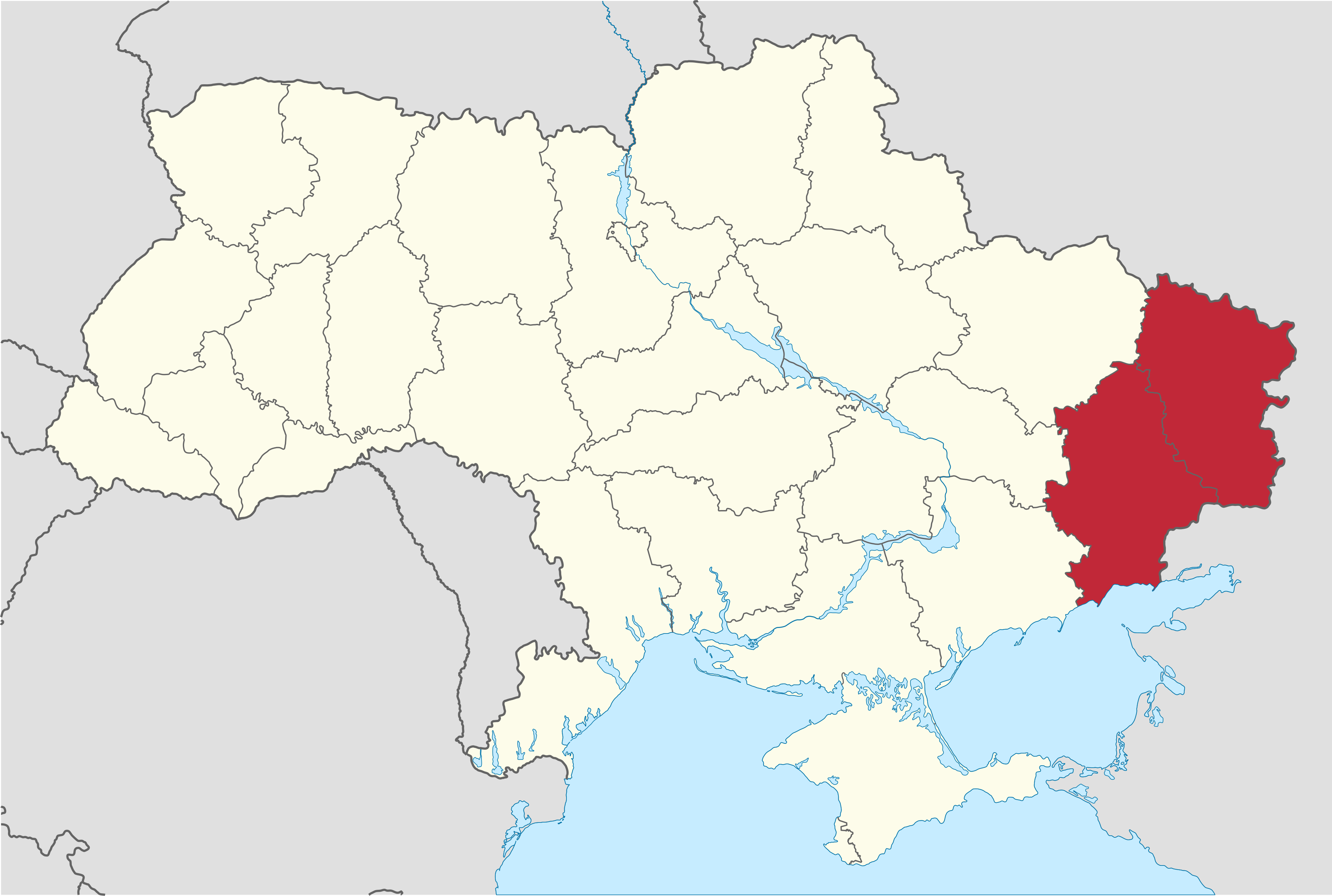
The Donbas region of eastern Ukraine has been the central theater of the Russia-Ukraine conflict since 2014. Following Russia’s annexation of Crimea that year, fighting erupted in Donetsk and Luhansk oblasts, where pro-Russian separatists declared independence as the Donetsk People’s Republic and Luhansk People’s Republic. The conflict simmered for eight years under intermittent ceasefires before Russia’s full-scale invasion in February 2022 escalated the battle for Donbas into the most intense and prolonged phase of the war.
Background: The Donbas Conflict Since 2014
In April 2014, armed groups seized government buildings in several cities in Donetsk and Luhansk oblasts. They proclaimed the Donetsk People’s Republic and Luhansk People’s Republic. Ukraine launched military operations to regain control the same month. Russian forces and equipment supported the separatists, though Russia denied direct involvement at the time.
Ceasefire agreements known as Minsk I and Minsk II were signed in September 2014 and February 2015. Both agreements called for withdrawal of heavy weapons, prisoner exchanges, and political steps toward autonomy for the regions within Ukraine. Violations continued on both sides, and low-intensity fighting persisted along a contact line dividing government and separatist-held areas. The OSCE monitored the line, reporting thousands of ceasefire violations annually.
By early 2022, the conflict had claimed approximately 14,000 lives, including civilians, according to United Nations estimates. The region remained divided, with Russian-backed separatists controlling parts of Donetsk and Luhansk oblasts.
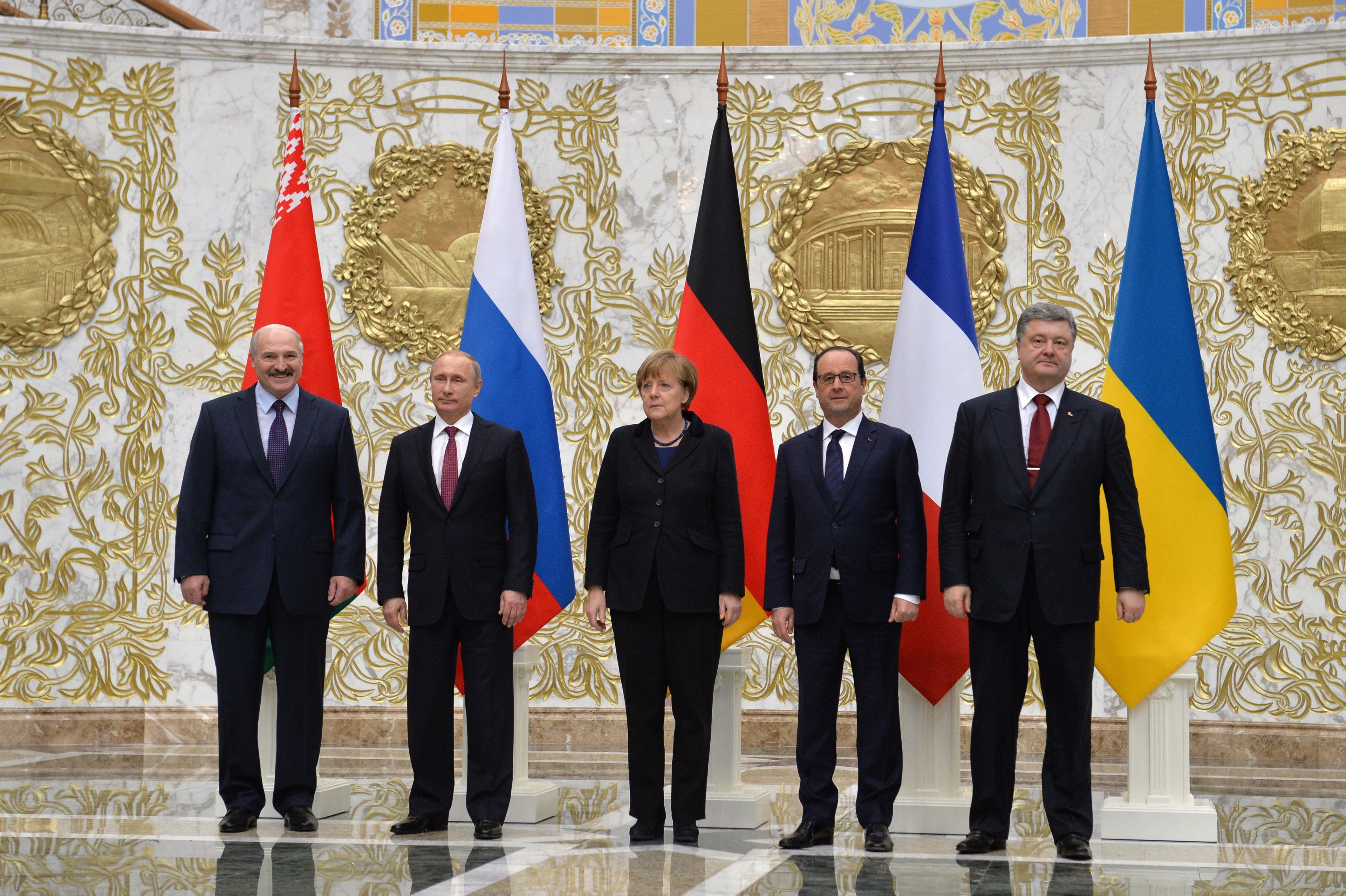
The 2022 Escalation in Donbas
Russia launched its full-scale invasion on February 24, 2022. In Donbas, Russian forces and separatist units advanced from the east and north. Fighting intensified around key cities including Severodonetsk, Lysychansk, and Popasna.
Russian artillery and air support played a major role. Ukrainian defenses held initial positions but faced heavy bombardment. In May and June 2022, Russian forces captured Severodonetsk after weeks of urban combat. Lysychansk fell in July, giving Russia control of most of Luhansk oblast.
The battle for Donbas in 2022 involved large-scale artillery duels and trench warfare. Both sides suffered significant casualties. Ukraine conducted limited counterattacks but focused on holding key defensive lines.
Russian Gains in 2023 and 2024
In 2023, Russian forces continued incremental advances in Donbas. They captured Bakhmut in May after months of fighting that became one of the longest and bloodiest battles of the war. Ukrainian forces withdrew from the city after heavy losses on both sides.
Russian gains slowed in mid-2023 as Ukraine prepared a major counteroffensive. The counteroffensive in summer 2023 achieved limited territorial recovery in western Donetsk oblast but did not break through Russian defensive lines.
In 2024, Russian forces renewed pressure. They advanced toward Pokrovsk and other logistical hubs in Donetsk oblast. Ukrainian defenses held the line in several areas but withdrew from some positions under sustained pressure.
Ukrainian Defenses and Adaptations
Ukrainian forces maintained fortified positions along the contact line. They used trench networks, minefields, and artillery to slow Russian advances. Western-supplied weapons, including HIMARS and long-range artillery, targeted Russian supply lines and command posts.
Ukraine conducted limited counterattacks and used drones extensively for reconnaissance and strikes. Territorial defense units and mobilized reserves supported regular army forces.
The defense strategy focused on attrition, inflicting casualties on advancing Russian units while conserving manpower and equipment for future operations.
Developments in 2025 and 2026
In 2025, Russian forces continued gradual advances in Donbas. They captured additional villages and approached key transportation nodes. Ukrainian defenses held major cities but faced challenges from Russian numerical superiority and artillery volume.
Both sides conducted long-range strikes on infrastructure and military targets. Russia increased use of glide bombs and drones. Ukraine expanded drone production and used them for deep strikes.
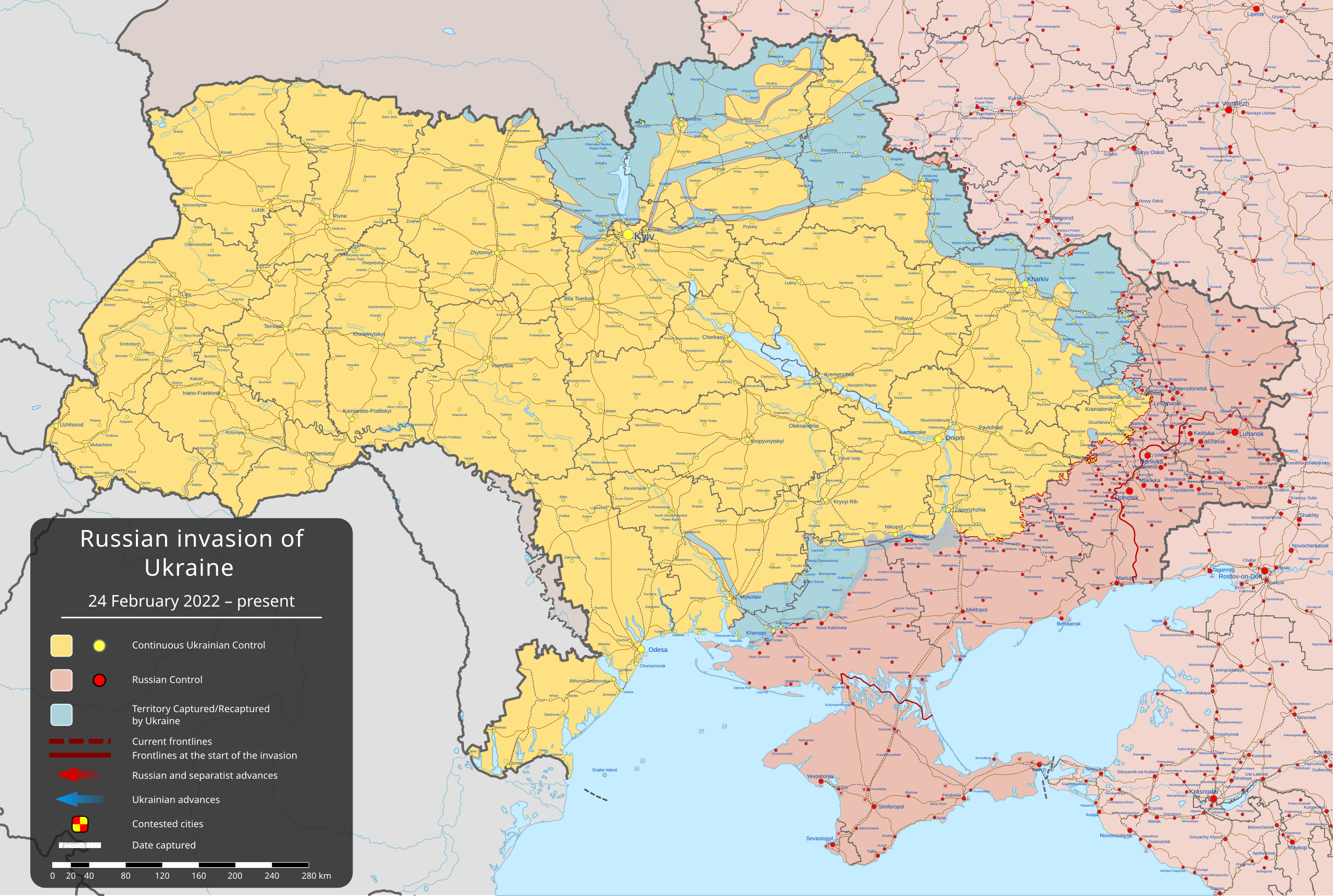
As of early 2026, the front line in Donbas remains active. Russian forces hold approximately 80 percent of Donetsk oblast and most of Luhansk oblast. Ukrainian forces maintain defensive positions in remaining areas. Peace talks have not produced a ceasefire in the region.
The battle for Donbas continues to shape the broader conflict, with both sides committing significant resources to the area.
Excellent journalistic information about the Ukranian/Russian conflict.