
Drone Warfare Evolution: Ukrainian and Russian Strikes Deep into Enemy Territory (2022–2026)
How drones became a key weapon in the Russia-Ukraine war from 2022 to 2026

By Scott Burton Official (14 min read)
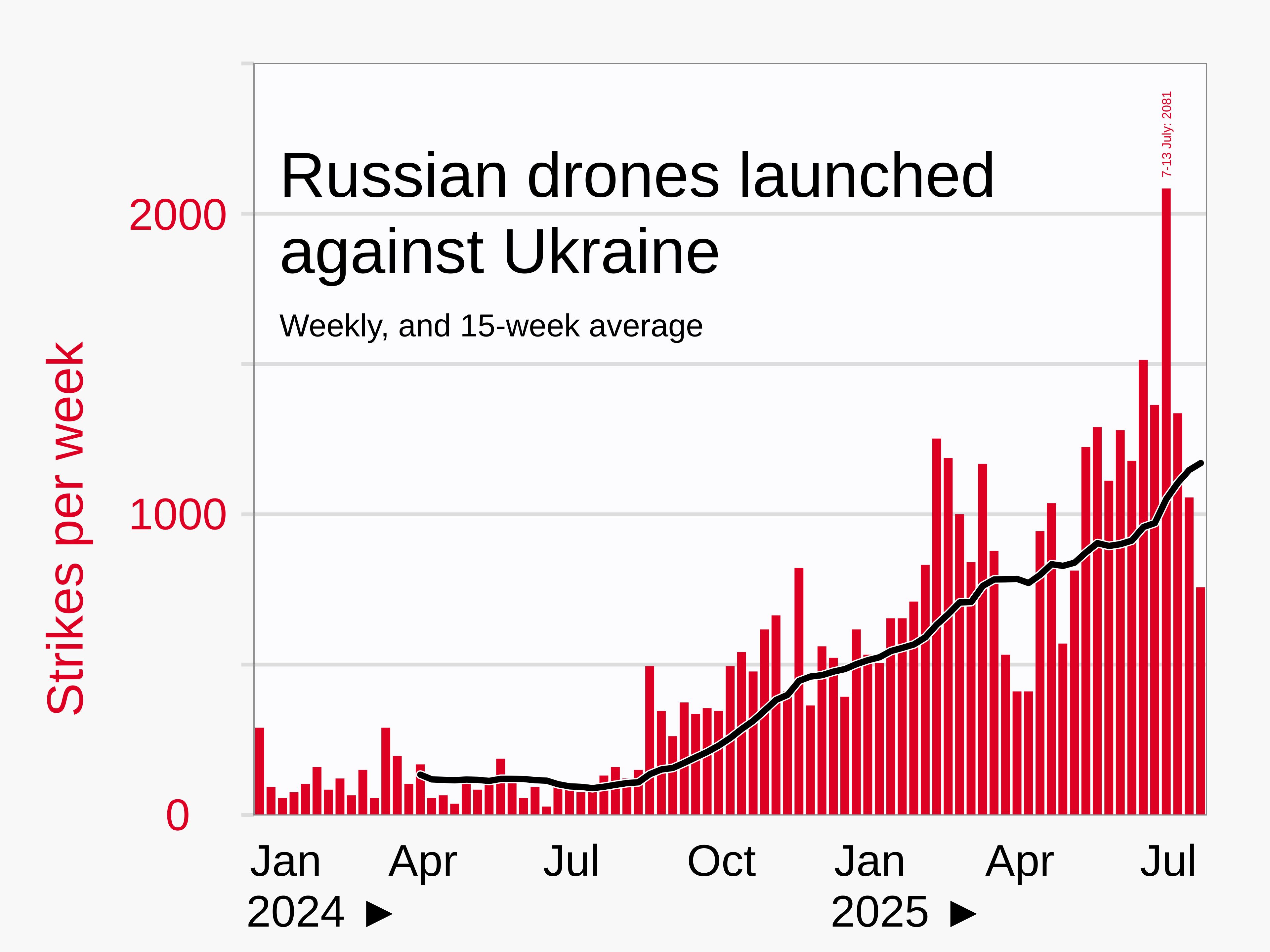
Drone strikes have become a defining feature of the Russia-Ukraine war since the full-scale Russian invasion began in February 2022. Both sides have used unmanned aerial vehicles for reconnaissance, artillery spotting, and direct attacks on military and infrastructure targets far behind front lines. Ukraine has developed domestic drone production to target Russian cities and facilities, while Russia has relied on Iranian-supplied drones to strike Ukrainian energy and civilian sites. The evolution of drone warfare from 2022 to 2026 has shifted the conflict’s dynamics, enabling long-range operations without risking piloted aircraft or ground troops.
Background: Drone Use Before 2022
Drones played a limited role in the Ukraine conflict before the full-scale invasion. Ukraine acquired Bayraktar TB2 drones from Turkey in 2019 and used them for reconnaissance in Donbas. Russia employed Orlan-10 and Forpost drones for surveillance in the same region. The technology allowed both sides to monitor the contact line and direct artillery fire. Ukraine reported downing several Russian drones in 2021. The use was mostly tactical, focused on the Donbas front rather than deep strikes.
Drone Warfare in 2022: Early Invasion Phase
Russia launched the invasion on February 24, 2022. Drones were used from the outset for intelligence gathering. Russian Orlan drones scouted Ukrainian positions near Kyiv and Kharkiv. Ukraine employed Bayraktar TB2 drones to strike Russian convoys and armor. Videos released by the Ukrainian military in March 2022 showed TB2 strikes destroying Russian tanks and supply trucks. The drones helped slow the Russian advance toward Kyiv.
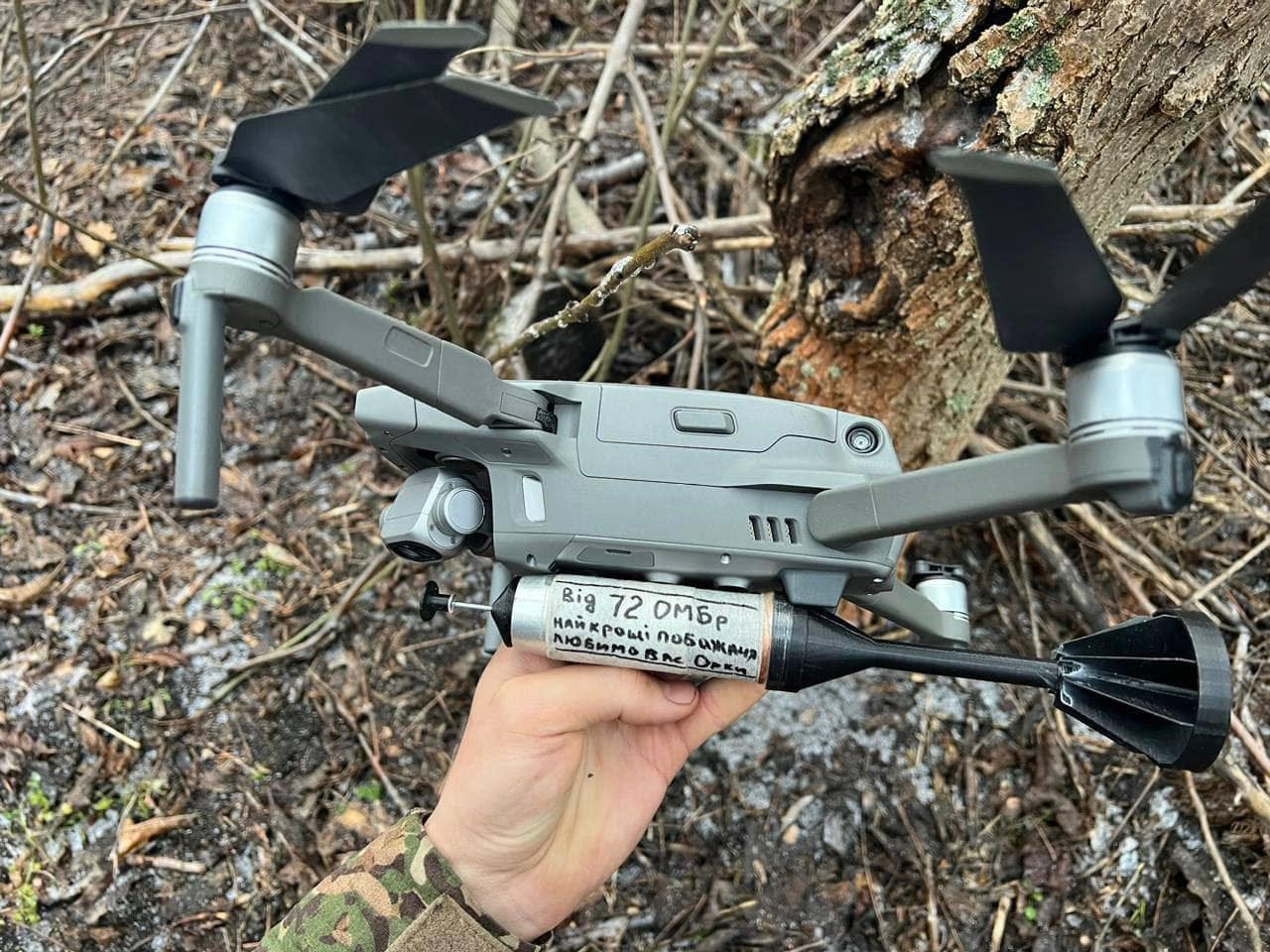
Russia began using Iranian-supplied Shahed-136 drones in September 2022. The first strikes targeted Ukrainian cities, including Odesa and Mykolaiv. The low-cost drones, dubbed “kamikaze” for their one-way missions, aimed at energy infrastructure and military depots. Ukraine adapted commercial drones for combat. Quadcopters dropped grenades on Russian positions. By late 2022, Ukrainian drone strikes reached Russian-held Crimea, targeting airfields and naval facilities.
Expansion in 2023: Deep Strikes and Countermeasures
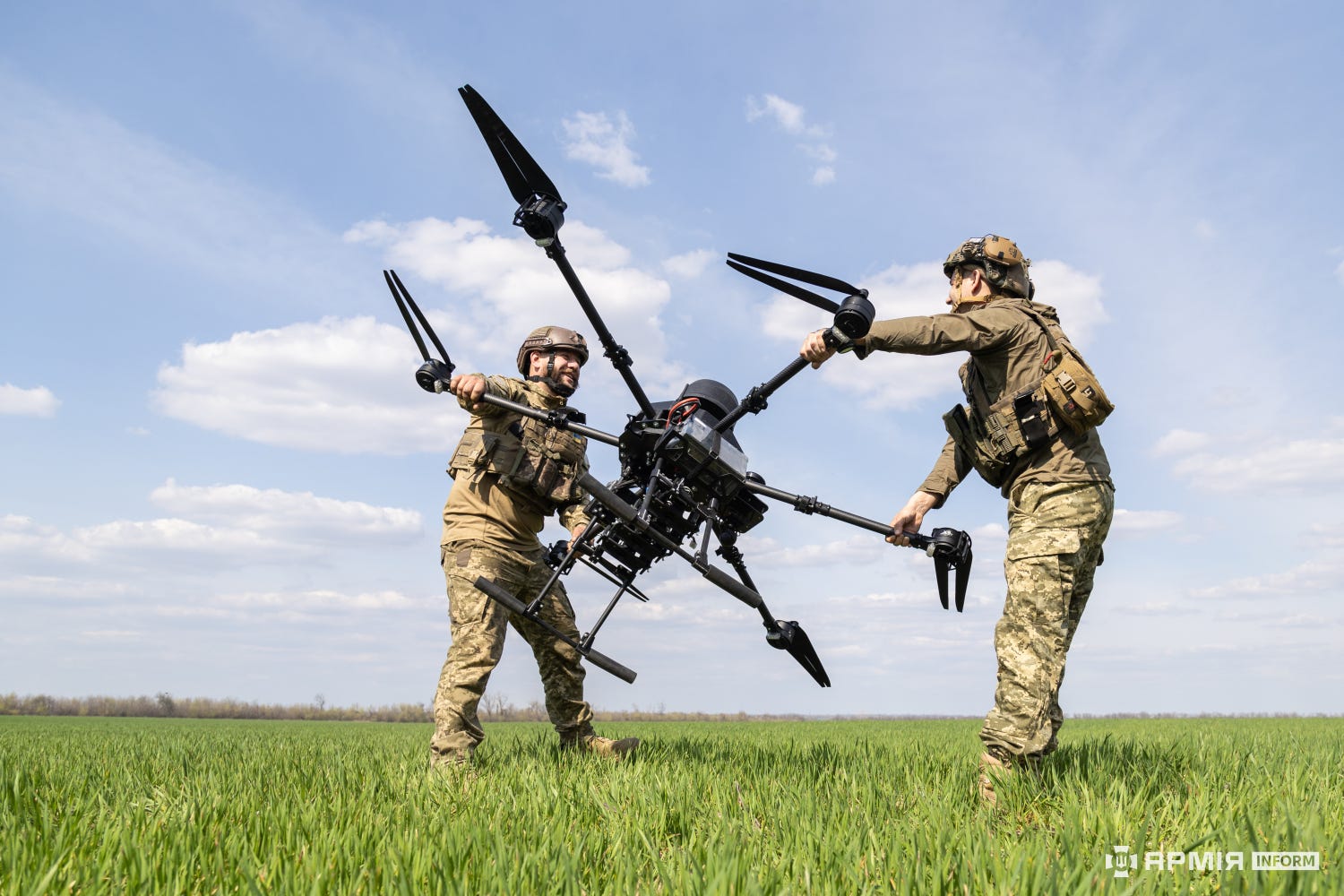
In 2023, both sides expanded drone operations. Russia increased Shahed attacks, striking Kyiv and western Ukraine. Ukrainian air defenses downed many, but some caused damage to power plants. Ukraine developed the Beaver drone for long-range missions. Strikes hit Moscow in May 2023, targeting buildings in the capital. Russian authorities reported intercepting most but acknowledged minor damage.
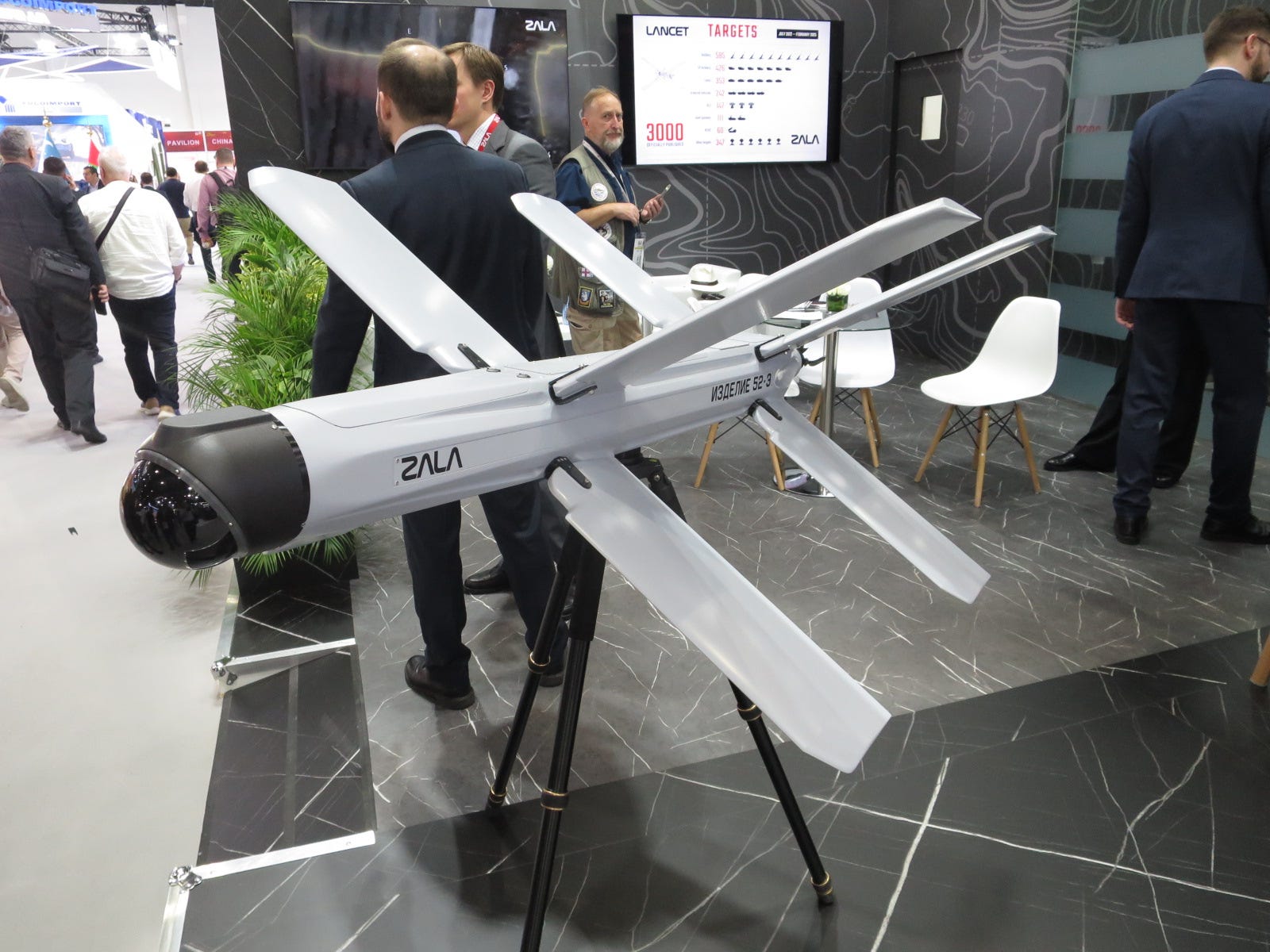
Russia deployed Lancet drones against Ukrainian vehicles. The loitering munitions struck tanks and artillery in Donbas. Ukraine countered with electronic warfare systems to jam drone signals. Drone production ramped up. Ukraine opened new factories for domestic UAVs. Russia signed deals with Iran for more Shaheds and began local assembly.
2024 Innovations and Escalation
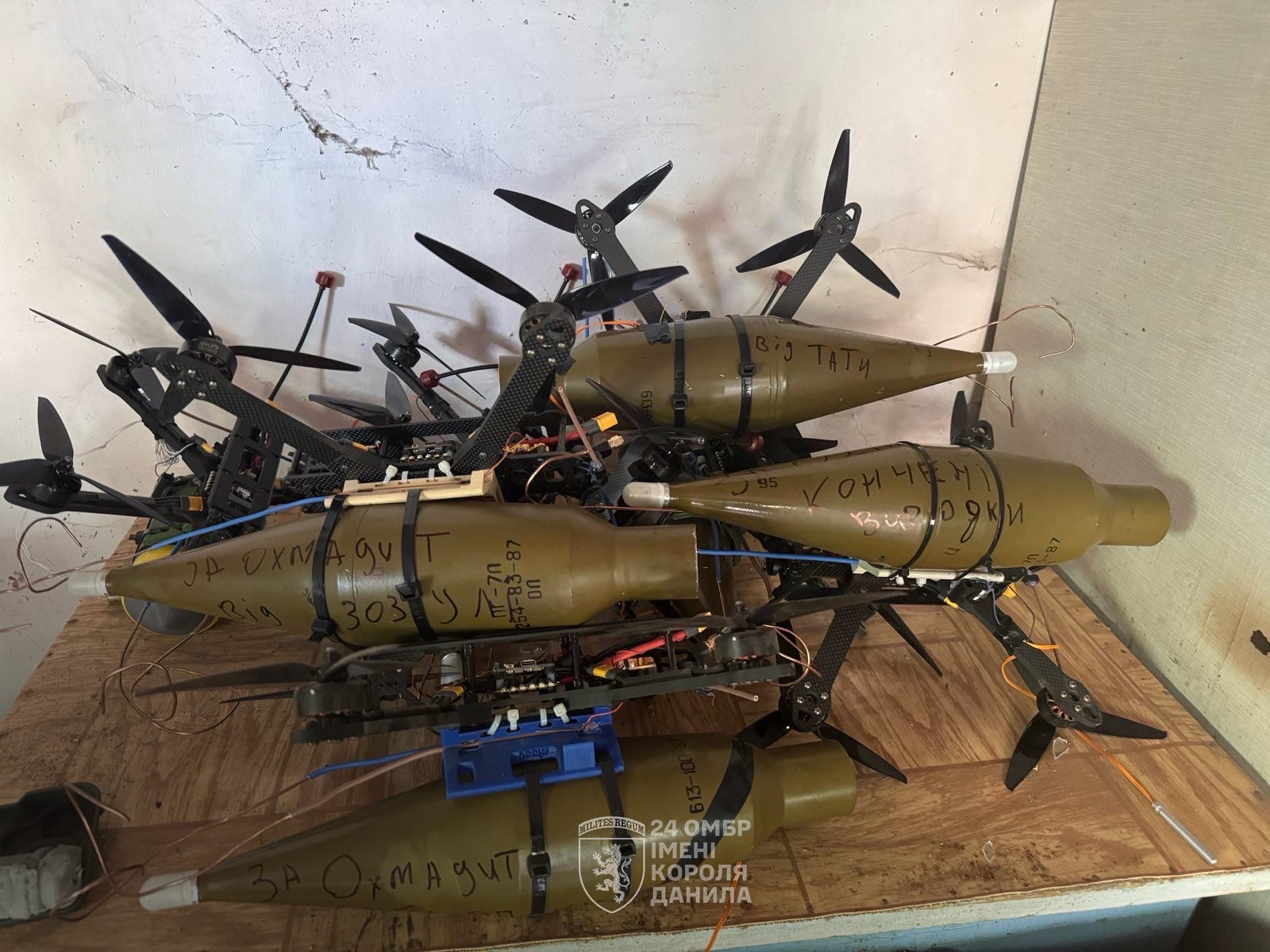
Drone warfare intensified in 2024. Ukraine used FPV drones for precision strikes on Russian troops. The low-cost devices guided by operators targeted individual soldiers and vehicles. Russia employed upgraded Shaheds with better navigation. Strikes on Ukrainian grain ports disrupted exports. Ukraine responded with attacks on Russian oil refineries in March 2024.
Both sides targeted drone production facilities. Ukrainian strikes hit Russian factories in Tatarstan. Russia bombed Ukrainian assembly sites in Lviv. The Kursk incursion in August 2024 relied on drones for support. Ukrainian UAVs scouted Russian positions and struck reinforcements.
2025–2026: Advanced Systems and Strategic Impacts
In 2025, drone technology advanced further. Ukraine introduced the Kolibri drone for deep strikes. Attacks reached St. Petersburg in January 2025. Russia deployed the Okhotnik stealth drone. The unmanned fighter conducted missions over Donbas. Ukrainian defenses adapted with Patriot systems.
Strikes targeted leadership and critical infrastructure. Russia hit Ukrainian command centers. Ukraine attacked Russian depots in Bryansk. As of early 2026, drone operations continue daily. Both sides report intercepting hundreds weekly. The technology has extended the war’s reach, affecting civilian areas far from fronts.
Drone warfare has caused thousands of casualties. United Nations estimates indicate over 5,000 civilian deaths from drone strikes since 2022. Military losses are higher but not fully reported.
The evolution has shifted tactics. Drones reduce risks to personnel and allow persistent harassment. They have also increased the war’s cost, with billions spent on production and countermeasures.