
House Passes Voter ID Bill as March Primaries Approach: Complete State Guide
SAVE America Act Passes House 218-213: Voter ID Requirements for March 2026 Primaries

By Scott Burton Official (12 min read)
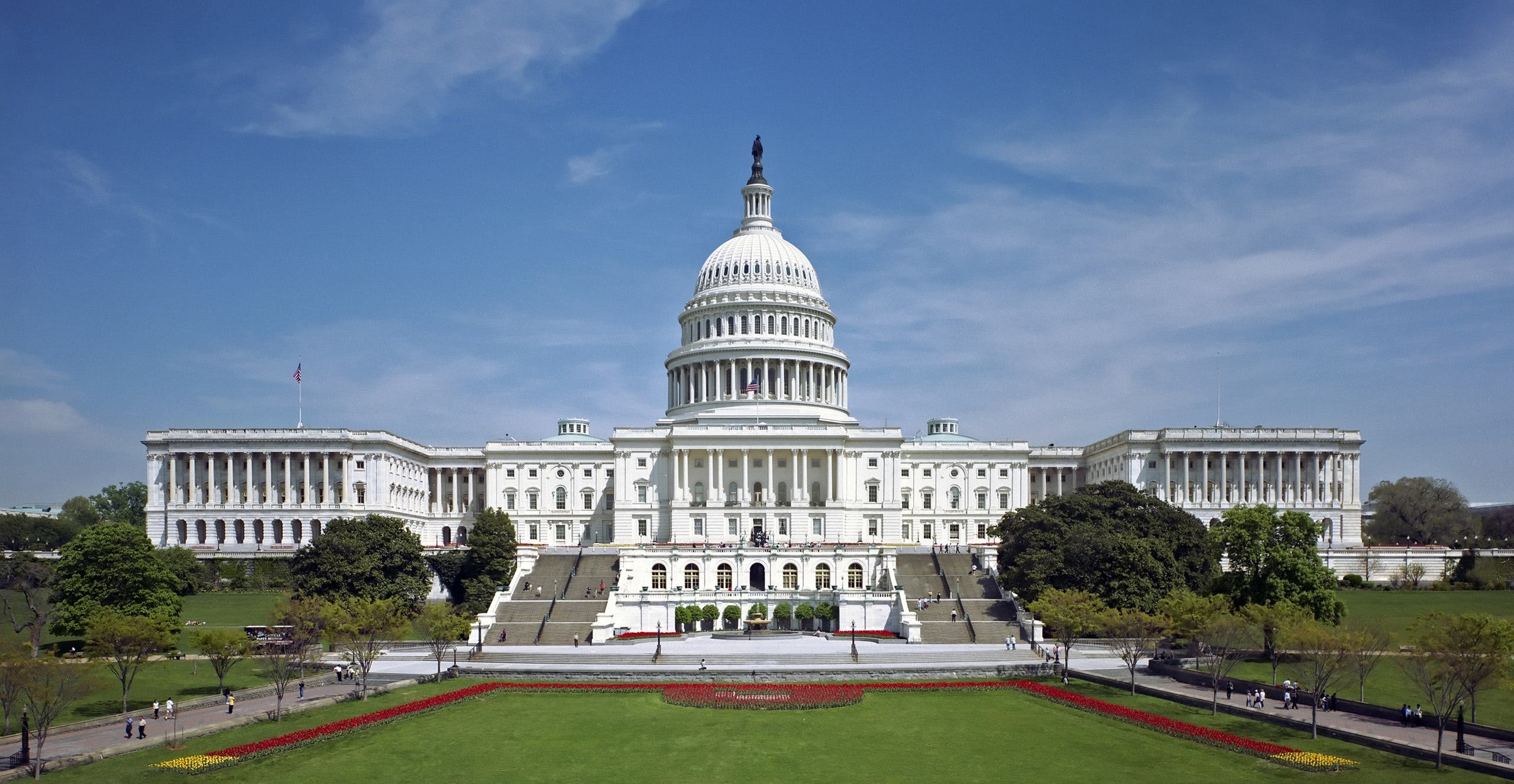
The United States House of Representatives passed the SAVE America Act by a vote of 218-213 on Wednesday, February 11, 2026, imposing new federal voter identification requirements for all federal elections. The legislation requires voters to present government-issued photo identification to cast ballots and mandates proof of citizenship documentation to register to vote. The bill also bans mail-in-only voter registration processes.
President Donald Trump and entrepreneur Elon Musk are both pressuring Senate Republicans to pass the legislation. Trump posted on Truth Social on February 5 and February 9 that “America’s Elections are Rigged, Stolen, and a Laughingstock all over the World. We are either going to fix them, or we won’t have a Country any longer.” Musk posted on X that the SAVE America Act “must be done or democracy is dead” and called it the “only way to save America.”
The bill faces certain defeat in the Senate despite passing the House. Senate passage requires 60 votes to overcome a filibuster, but Republicans hold only a 53-47 majority. The bill lost its first Republican supporter when Senator Lisa Murkowski of Alaska announced her opposition on Tuesday, February 10, stating that imposing new federal requirements this close to the midterm elections would “negatively impact election integrity” by forcing election officials to “scramble” without necessary resources. Senate Majority Leader Chuck Schumer called the legislation “dead on arrival” and said Democrats will “never in a million years” consider it.
The federal debate unfolds as voters in four of the five states holding March 2026 primaries already face strict photo identification requirements. Arkansas, North Carolina, Texas, and Mississippi require photo ID at the polls. Illinois does not require identification. The first primaries of the 2026 midterm election cycle will be held in 18 days on March 3, 2026.
This article examines the history of voter ID laws in the United States, compares American requirements to international practices, details specific requirements for March 2026 primary voters in each state, explains how to obtain free voter identification, and reports on the current federal legislative debate.
History of Voter ID in the United States
South Carolina became the first state to request voter identification in 1950, accepting non-photo identification as proof of identity. Hawaii followed in 1970, Texas in 1971, Florida in 1977, and Alaska in 1980, all with non-photo ID requests. No state required photo ID until 2006.
The modern era of voter ID laws began when Indiana enacted the first strict photo ID law in 2005. The law required voters to present government-issued photo identification or cast a provisional ballot and take additional steps after Election Day to have their vote counted.
The Supreme Court addressed voter ID requirements in Crawford v. Marion County Election Board in 2008, upholding Indiana‘s law by a 6-3 vote. The decision established that states can require photo ID if they provide free alternatives to voters who lack identification. The ruling opened the door for other states to adopt similar requirements.
As of January 2026, 36 states require some form of ID to vote. 21 states require photo ID, 12 states accept non-photo ID, and 14 states plus Washington, D.C., do not require ID.
Voter ID requirements fall into four categories. Strict photo ID states require voters to show photo ID or cast provisional ballots and take additional steps after Election Day. Nine states enforce strict photo ID requirements: Arkansas, Georgia, Indiana, Kansas, Mississippi, North Carolina, Ohio, Tennessee, and Wisconsin.
Non-strict photo ID states request photo ID but provide alternatives without requiring additional steps. Twelve states use non-strict photo ID policies, including Texas, Alabama, Florida, Louisiana, Rhode Island, South Carolina, South Dakota, and others.
Strict non-photo ID states require non-photo ID with a provisional ballot process if voters lack identification. Three states enforce this requirement: Arizona, North Dakota, and Wyoming.
Non-strict non-photo ID states request non-photo ID but do not strictly require it. Nine states use this approach, including Colorado, Connecticut, Delaware, and others.
Of the 21 states requiring photo ID, 9 enforce strict requirements that mandate provisional ballots with additional steps, and 12 use non-strict policies that allow alternatives without additional burden.
Voter ID in Other Democracies
Most major democracies require voter identification. Canada, France, Germany, India, Mexico, and the United Kingdom require voters to present identification at polling places. Many of these countries provide free national identification cards to all citizens automatically. The United States does not have a national ID system and relies on state-issued documents such as driver’s licenses, state ID cards, passports, and military identification. This creates variation in identification requirements across states and means that obtaining voter ID may require multiple steps and supporting documents.
The debate over voter ID requirements intensified in February 2026 when the House of Representatives passed federal legislation. The following sections detail how photo ID requirements currently work in the five states holding March 2026 primaries.
March 2026 Primary State Requirements
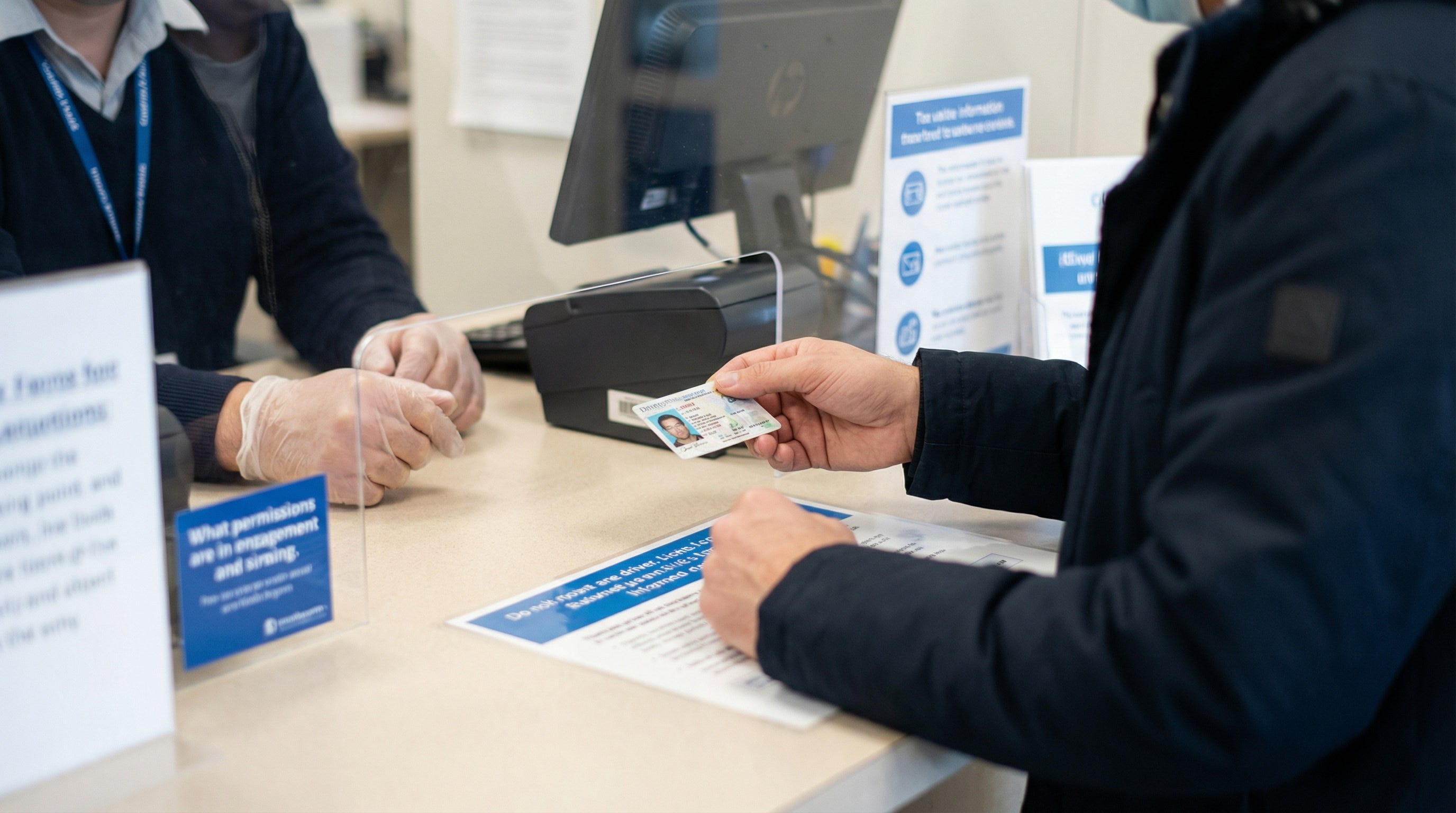
Arkansas (March 3, 2026)
Requirement: Strict photo ID
Acceptable IDs: Arkansas driver’s license (expired acceptable if issued within 4 years), Arkansas state ID card, U.S. passport, U.S. military ID, Arkansas public college or university student ID, Arkansas concealed carry permit, U.S. naturalization document with photo.
Without ID: Voters cast provisional ballot, sign sworn statement, and must return with acceptable ID or have identity verified by county board within 7 days for vote to count.
Free ID available: Arkansas Department of Finance and Administration offices issue free voter ID cards (details in following section).
Early voting: February 17 through March 1, 2026 (photo ID required).
Absentee voting: Must include copy of photo ID with ballot.
North Carolina (March 3, 2026)
Requirement: Strict photo ID
Acceptable IDs: North Carolina driver’s license (expired acceptable if expired within 5 years), North Carolina state ID, U.S. passport, U.S. military ID, North Carolina voter photo ID (free), tribal enrollment card from North Carolina-recognized tribe, student ID from North Carolina college or university with specific security features.
Without ID: Voters cast provisional ballot, sign reasonable impediment declaration explaining why they lack ID, provide last 4 digits of Social Security number. Election officials investigate eligibility.
Free ID available: NC Division of Motor Vehicles and county boards of elections issue free North Carolina Voter Photo ID cards (details in following section).
Early voting: February 12 through February 28, 2026 (photo ID required).
Absentee voting: Must include copy of photo ID with returned ballot.
Texas (March 3, 2026)
Requirement: Non-strict photo ID (alternatives available)
Acceptable IDs: Texas driver’s license (expired acceptable if within 4 years for voters 70+, within 5 years for ages 18-69), Texas Election Identification Certificate (free), Texas personal ID card, U.S. military ID with photo, U.S. citizenship certificate with photo, U.S. passport, license to carry handgun.
Without ID: Voters sign Reasonable Impediment Declaration, show supporting document (utility bill, bank statement, government check, paycheck, birth certificate), and vote regular ballot (not provisional).
Free ID available: Texas Department of Public Safety offices issue free Election Identification Certificates (details in following section).
Early voting: February 17 through February 27, 2026 (photo ID or reasonable impediment declaration).
Absentee voting: ID number or copy of photo ID required with application.
Mississippi (March 10, 2026)
Requirement: Strict photo ID
Acceptable IDs: Mississippi driver’s license, Mississippi state ID, U.S. passport, U.S. military ID, Mississippi voter ID card (free), license to carry pistol or revolver, employee photo ID from Mississippi governmental entity, student photo ID from Mississippi college or university.
Without ID: Voters cast provisional ballot, sign affidavit, and must provide photo ID to circuit clerk’s office within 5 business days for vote to count.
Free ID available: Circuit clerk offices in all 82 Mississippi counties issue free Mississippi Voter Identification Cards (details in following section).
Early voting: Mississippi does not offer in-person early voting.
Absentee voting: Must be notarized or have two witnesses; specific ID requirements vary by reason for absentee ballot.
Illinois (March 17, 2026)
Requirement: No photo ID required
What voters need: Voters must state their name and address as it appears on voter registration and sign the poll book. No identification document is required except for first-time voters who registered by mail and did not provide an ID number with their registration.
First-time mail registrants without ID number must show: Current valid photo ID OR current utility bill, bank statement, government check, paycheck, or other government document showing name and address.
Without ID: Registered voters who appear on poll books vote without showing identification.
Early voting: Began February 5, 2026 in most counties; specific dates vary by jurisdiction.
Absentee voting: No ID required for registered voters.
How to Get Free Voter ID in March Primary States
Arkansas - Free Voter ID Card
Where: Arkansas Department of Finance and Administration (DFA) offices statewide
Required documents:
Proof of identity: birth certificate, passport, or previous driver’s license
Social Security card or document showing Social Security number
Two proofs of Arkansas residency: utility bill, bank statement, lease, or mail from government agency dated within last 90 days
Processing time: Same-day issuance at most DFA offices
Cost: Free for voting purposes
Underlying document fees: Arkansas birth certificate costs $12 from Arkansas Department of Health; fee waiver available for voting purposes by submitting Voter ID Declaration form
Contact: Arkansas.gov/dfa or (501) 682-2000
North Carolina - Free Voter Photo ID
Where:
NC Division of Motor Vehicles (DMV) offices statewide
County boards of elections (all 100 counties)
Required documents:
Proof of age and identity: birth certificate, passport, or immigration document
Proof of residency: utility bill, bank statement, paycheck, or property tax document
Social Security number
Processing time:
DMV offices: Often same-day issuance
County boards of elections: May take up to 10 business days by mail
Cost: Free
Underlying document fees: North Carolina birth certificate costs $24; fee can be waived for voting ID purposes through DMV
Special assistance: Mobile DMV units available for elderly, disabled, or voters without transportation; call (919) 715-7000 to schedule
Contact: NCDMV.gov or (919) 715-7000; find county board at NCSBE.gov
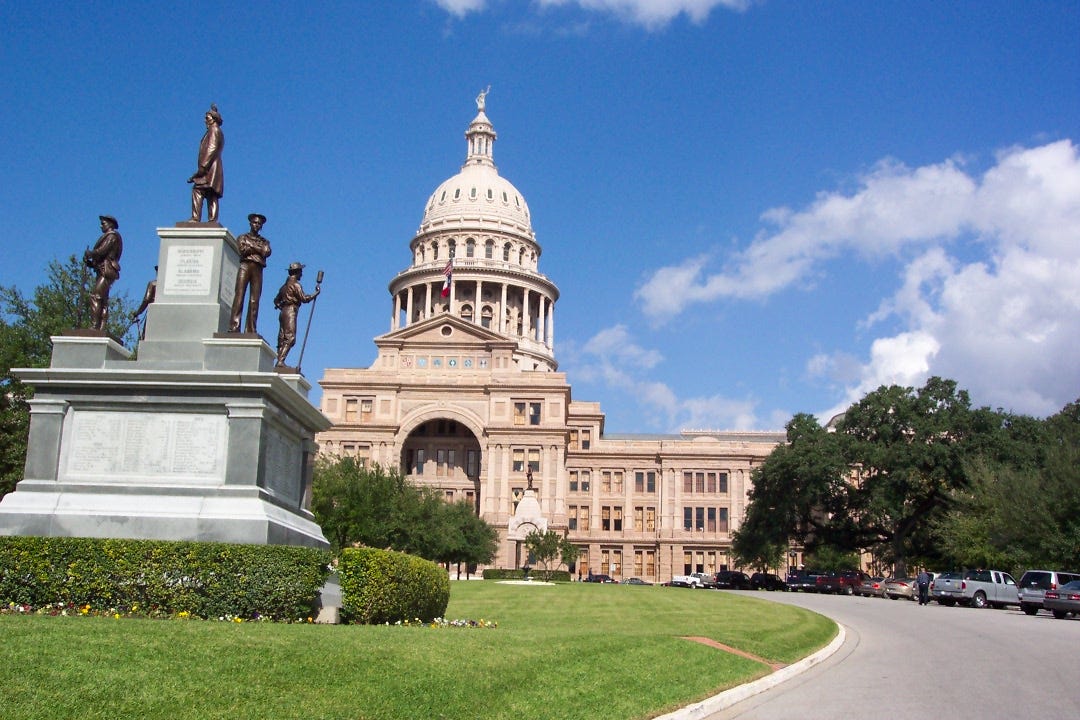
Texas - Free Election Identification Certificate (EIC)
Where: Texas Department of Public Safety (DPS) driver license offices statewide (over 200 locations)
Required documents:
Proof of U.S. citizenship: birth certificate, passport, or naturalization papers
Proof of identity: supporting identity documents if no primary ID available
Proof of Social Security number: Social Security card or W-2 form
Two proofs of Texas residency: utility bill, bank statement, current Texas vehicle registration, or insurance document
Processing time:
Typically same-day issuance if all documents accepted
If supporting documents needed for identity verification, may require additional processing time or second visit
Cost: Free Election Identification Certificate for registered voters
Underlying document fees: Texas birth certificate costs $22; can be waived for EIC purposes by submitting Request for Free Birth Certificate form to Texas Department of State Health Services
Special assistance: DPS offices provide accommodations for voters with disabilities; interpreters available at some locations
Contact: Texas.gov/EIC or (512) 424-2600
Mississippi - Free Voter Identification Card
Where: Circuit clerk’s office in any of Mississippi‘s 82 counties
Required documents:
Proof of identity: birth certificate, previous photo ID, or official document with name and photo
Proof of Mississippi residency: utility bill, bank statement, or lease agreement
Processing time: Usually same-day at circuit clerk’s office during regular business hours
Cost: Free
Underlying document fees: Mississippi birth certificate costs $15 from Mississippi State Department of Health; fee may be waived for voting ID purposes by contacting vital records office
Contact: Find your county circuit clerk at MSSecretaryOfState.com or call Mississippi Secretary of State at (601) 576-2550
General Tips for All States
Start early: Apply for voter ID at least 2-3 weeks before primary date; do not wait until final week.
Call ahead: Confirm office hours, required documents, and whether appointment needed.
Bring original documents: Photocopies often not accepted; bring originals or certified copies.
Ask about fee waivers: States provide waivers for underlying documents (birth certificates) when obtained for voting purposes.
Assistance available: Mobile units, mail-in processes, and special accommodations exist for elderly, disabled, or rural voters without transportation.
The Federal Debate
The SAVE America Act passed the House of Representatives 218-213 on Wednesday, February 11, 2026. The legislation would impose new federal requirements for all federal elections, including presidential, Senate, and House races.
The bill requires voters to present government-issued photo identification at polling places to cast ballots. Acceptable forms of identification would include passports, military IDs, and state-issued driver’s licenses or ID cards. The bill requires proof of citizenship documentation to register to vote, including birth certificates, passports, or naturalization documents. The legislation also bans mail-in-only voter registration processes but does not ban mail-in voting itself.
Only one Democrat voted in favor of the legislation: Representative Henry Cuellar of Texas. All other Democrats voted against the bill. The vote broke largely along party lines.
Republican supporters argue the legislation prevents voter fraud and illegal voting in federal elections. Proponents contend that photo ID requirements increase public confidence in election integrity and represent a common-sense safeguard used in most democratic countries. House Majority Leader Steve Scalise said the bill ensures “only American citizens vote in American elections.” Republicans note that states requiring photo ID provide free identification cards to registered voters who lack other acceptable documents.
Democratic opponents argue the legislation creates barriers for legitimate voters who lack required documentation. According to the Brennan Center for Justice, approximately 21 million Americans lack ready access to citizenship documents such as birth certificates or passports. The Center for American Progress estimates that up to 100 million Americans could face new hurdles under the proposed requirements. Democrats argue the law would disproportionately affect women who changed their names after marriage, LGBTQ+ individuals who changed their names, elderly voters, and low-income voters who may not possess required documents or have difficulty obtaining them. Senate Majority Leader Chuck Schumer called the legislation “Jim Crow 2.0” and declared it “dead on arrival” in the Senate.
The bill faces near-certain defeat in the Senate. Senate passage requires 60 votes to overcome a filibuster under current rules. Republicans hold a 53-47 majority, meaning at least 8 Democrats would need to vote in favor of the legislation for it to pass. No Democrats have indicated support for the bill.
The legislation lost its first Republican supporter when Senator Lisa Murkowski of Alaska announced her opposition on Tuesday, February 10, 2026. Murkowski stated that imposing new federal voter identification requirements this close to the November 2026 midterm elections would “negatively impact election integrity” by forcing state and local election officials to “scramble” to implement new systems without adequate time or resources. Her opposition means Republicans would need at least 9 Democrats to reach the 60-vote threshold.
Senator Thom Tillis of North Carolina told reporters on Tuesday that the “pro-nuke crowd didn’t have the votes” to eliminate the filibuster through the so-called nuclear option. Senate Majority Leader John Thune confirmed the chamber is “not even close” to having the votes needed to change Senate rules. Senator Chuck Schumer vowed that Democrats will “never in a million years” consider the legislation.
President Trump has continued to pressure Senate Republicans to pass the bill. At a White House press conference on Tuesday, Trump repeated claims that American elections are “rigged” and “stolen.” Speaking at the World Economic Forum in Davos, Switzerland on Wednesday, Trump stated that the 2020 presidential election was “stolen” from him. Trump told reporters that states are “agents of the federal government” and that if states cannot properly run elections, Congress should “do something about it.”
Entrepreneur Elon Musk has also publicly supported the SAVE America Act. Musk continues to post on X (formerly Twitter), calling the legislation “essential to stop widespread fraud” in American elections. Musk is also supporting a California Voter ID Initiative that would require photo identification for all elections in California. The initiative topped 1 million signatures as of January 7, 2026, and organizers are working to qualify the measure for the November 2026 ballot. Musk reposted House Majority Leader Steve Scalise‘s statement about the bill with the comment “[t]his is great.”
Conclusion
Voter identification requirements vary significantly across the United States. Four of the five states holding March 2026 primaries—Arkansas, North Carolina, Texas, and Mississippi—require voters to present photo identification at the polls. Illinois does not require identification.
The federal debate over nationwide voter ID requirements continues as the SAVE America Act faces likely defeat in the Senate despite passing the House 218-213 on February 11, 2026. The issue remains politically divisive, with supporters citing fraud prevention and election integrity and opponents citing access barriers for legitimate voters without required documentation.
Each state that currently requires photo ID provides free identification cards for registered voters. Voters should obtain required identification well before primary election dates to avoid issues at the polls. Arkansas, North Carolina, and Texas hold primaries on March 3, 2026. Mississippi votes on March 10, 2026. Illinois votes on March 17, 2026.
Voters without required identification may cast provisional ballots in states with strict ID laws, though additional steps are required after Election Day for those votes to count. Early voting and absentee voting have specific ID requirements that vary by state.
Current requirements and procedures can be verified through state election websites or by contacting local election officials. The federal voter ID debate is ongoing and developing. I will continue to cover voter ID developments as the March primaries approach and the federal legislative debate continues.
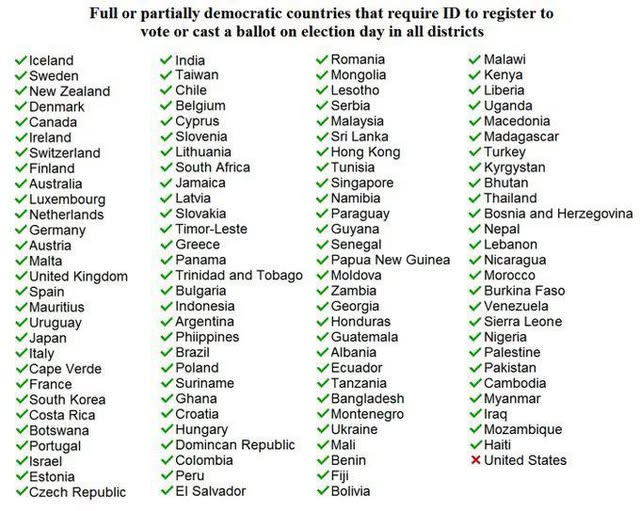
All states should require voter ID.