
March 2026 Primaries: Dates, Rules, and Key Races
2026 Midterm Elections Begin March 3

By Scott Burton Official (read time 14 min)
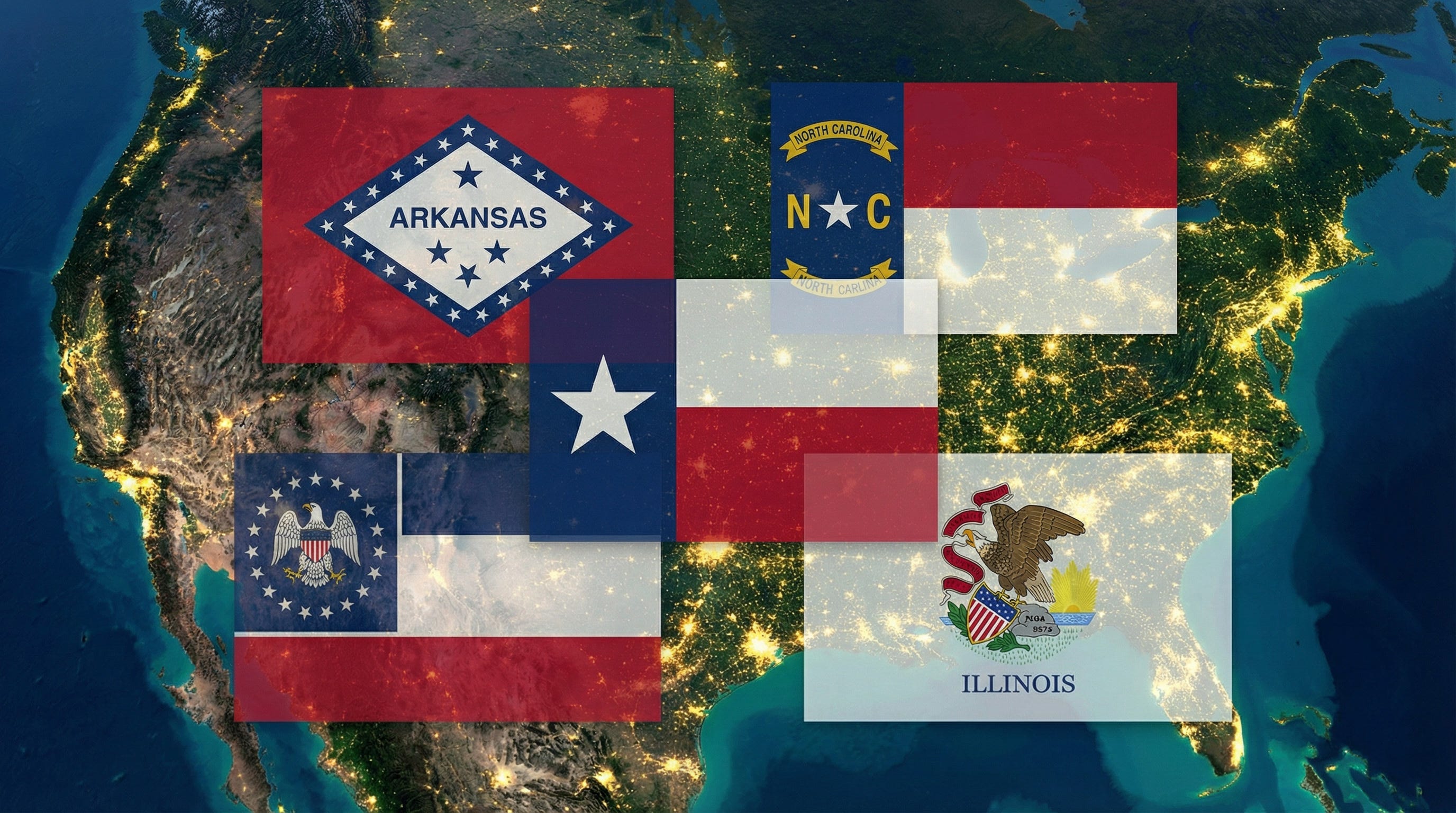
The first votes of the 2026 midterm election cycle will be cast across five states in March 2026, setting in motion a national political contest that will determine control of the United States Senate and shape policy on federal spending, immigration enforcement, and economic priorities.
Arkansas, North Carolina, and Texas will hold primary elections on March 3, 2026. Mississippi follows on March 10, 2026. Illinois closes the month on March 17, 2026. These five states will allocate the first delegates to the national party conventions and serve as the initial test of candidate strength before the November 3, 2026 general election.
The outcomes will influence fundraising, media coverage, and campaign strategy for the rest of the cycle. In North Carolina and Texas, Senate races have drawn the largest and most expensive primary fields in both states' recent history. North Carolina has an open seat after Senator Thom Tillis retired, while Texas features an expensive Republican primary as incumbent John Cornyn faces challengers. Both races are considered toss-ups in the general election and could determine which party controls the Senate in 2027.
This article explains what primary elections decide, how delegates are awarded, and provides details on the key dates, rules, and candidates in each March state.
Primaries vs. the General Election
A primary election is an intraparty contest in which registered voters select a candidate to represent their political party in the general election. Primary winners do not win office directly. Instead, they advance to the general election ballot on November 3, 2026, where voters choose the final officeholder.
States operate three types of primaries. In open primaries, any registered voter may participate regardless of party affiliation. In closed primaries, only voters registered with a specific party may vote in that party’s primary. Semi-closed primaries allow party members and unaffiliated voters to participate, but exclude voters registered with opposing parties.
The primary system allows political parties to vet multiple candidates before consolidating behind a single nominee. The general election determines the actual winner of the office.
What a Primary Actually Decides
Primary elections determine which candidate will represent each party in the November general election. They also allocate delegates to the national party conventions, where presidential nominees are formally selected in presidential election years.
Delegates are party members who attend the national convention and cast votes for candidates based on primary or caucus results. In congressional and statewide races, delegates serve a symbolic role, as the primary winner becomes the party’s nominee directly. However, the delegate allocation process still matters because it reflects the formal mechanics of party nomination procedures.
Delegates fall into two categories. Pledged delegates are bound to support the candidate who won their state or district. Unpledged delegates, sometimes called superdelegates in Democratic contests, can support any candidate regardless of primary results. Superdelegates are typically party officials and elected leaders.
Primary delegates are awarded through two main methods. Proportional allocation divides delegates among candidates based on their share of the vote. For Democrats, candidates must receive at least 15 percent of the vote statewide or in a congressional district to qualify for any delegates. This threshold ensures that only viable candidates receive representation at the convention.
Winner-take-all allocation awards all delegates to the candidate who receives the most votes. Some states use hybrid systems that combine both methods. For example, a state might allocate statewide delegates proportionally but award congressional district delegates on a winner-take-all basis.
The number of delegates each state sends to the national convention varies based on population and past support for the party. Texas sends significantly more delegates than Mississippi because of its larger population and number of congressional districts.
Early primary wins create momentum for candidates. Strong performance in March can attract additional donors, secure endorsements from party leaders, and generate favorable media coverage. This momentum can be decisive in later contests, particularly if a candidate establishes a delegate lead that becomes difficult to overcome.
March 3, 2026 – Arkansas, North Carolina, Texas
Arkansas
Primary Date: March 3, 2026
Primary Type: Open primary
Runoff: March 31, 2026 if no candidate receives a majority
Voter ID: Arkansas requires photo identification to vote
Early Voting: February 17 through March 1, 2026
Absentee Voting: Applications must be submitted by February 24, 2026
Arkansas will elect a governor, lieutenant governor, secretary of state, attorney general, and four U.S. House representatives in November 2026. The March 3 primary determines which candidates advance to the general election.
Governor: Republican incumbent Sarah Huckabee Sanders is seeking a second term. Sanders, who served as White House press secretary during President Donald Trump’s first term, won her first election in 2022 with 62.96 percent of the vote. She faces no opposition in the Republican primary. Two Democratic candidates, whose names were not widely reported as of early February 2026, have declared candidacy.
Sanders has campaigned on tax cuts and economic development. Her administration has focused on workforce training and education reform. On immigration, Sanders has supported state cooperation with federal enforcement agencies. She has called for reduced federal spending and criticized what she describes as excessive federal regulatory authority.
U.S. Senate: Republican Tom Cotton is running for re-election. Cotton was first elected to the Senate in 2014 and faces no significant primary opposition. Cotton has positioned himself as a national security conservative and has been an outspoken critic of federal spending increases. He supports stricter immigration enforcement and has called for reducing the federal deficit through spending cuts to domestic programs while maintaining defense funding.
North Carolina
Primary Date: March 3, 2026
Primary Type: Semi-closed primary
Runoff: May 12, 2026 if no candidate receives 30 percent of the vote and the second-place finisher requests a runoff
Voter ID: North Carolina requires photo identification to vote
Early Voting: February 12 through February 28, 2026
Absentee Voting: Request deadline is February 17, 2026
North Carolina will elect a U.S. senator and all 14 U.S. House representatives in November 2026. The Senate race is considered one of the most competitive contests in the country and could determine which party controls the Senate.
U.S. Senate: The seat is open after Republican Senator Thom Tillis announced on June 29, 2025 that he would not seek re-election to a third term. Tillis retired after President Trump threatened to back a primary opponent when Tillis voted against the One Big Beautiful Bill Act, which included Medicaid cuts that Tillis said would harm North Carolina hospitals.
Democratic Primary: Former Governor Roy Cooper is the frontrunner. Cooper served two terms as governor from 2017 to 2025 and won six statewide elections as governor and attorney general. He has raised more than $14 million since entering the race in July 2025. Cooper has focused his campaign on protecting health care access and opposing cuts to Medicaid expansion. On the economy, Cooper has called for middle-class tax relief and wage growth. On immigration, Cooper supports enhanced border security but has criticized what he describes as aggressive enforcement tactics that he believes require federal reform. On federal spending, Cooper has opposed cuts to health care and education while calling for targeted reductions in other areas.
Five other Democrats are running: High Point pastor Orrick Quick, Wilmington lawyer Marcus Williams, progressive activist Justin Dues of Concord, Daryl Farrow of Jacksonville, and Robert Colon of Rocky Point.
Republican Primary: Former Republican National Committee Chairman Michael Whatley has received President Trump’s endorsement. Whatley led the North Carolina Republican Party for five years before serving as RNC chairman in 2024 and 2025. Whatley has raised more than $11 million since announcing his campaign on July 31, 2025. He has focused his campaign on economic relief through job creation and wage increases. On immigration, Whatley supports strict federal enforcement and has praised Immigration and Customs Enforcement operations in North Carolina. On federal spending, Whatley has called for reducing what he describes as wasteful federal programs while increasing border security and defense funding.
Six other Republicans are running: educator Elizabeth Temple of Smithfield, business consultant Thomas Johnson of Garner, Margot Dupre of Charlotte, Richard Dansie of Durham, Don Brown of Waxhaw, and Michele Morrow of Cary.
Cooper leads Whatley by approximately six points in polling averages as of early February 2026. The race is rated as a toss-up by nonpartisan election forecasters.

Texas
Primary Date: March 3, 2026
Primary Type: Open primary
Runoff: May 26, 2026 if no candidate receives a majority
Voter ID: Texas requires photo identification to vote
Early Voting: February 17 through February 27, 2026
Absentee Voting: Applications must be submitted by February 20, 2026
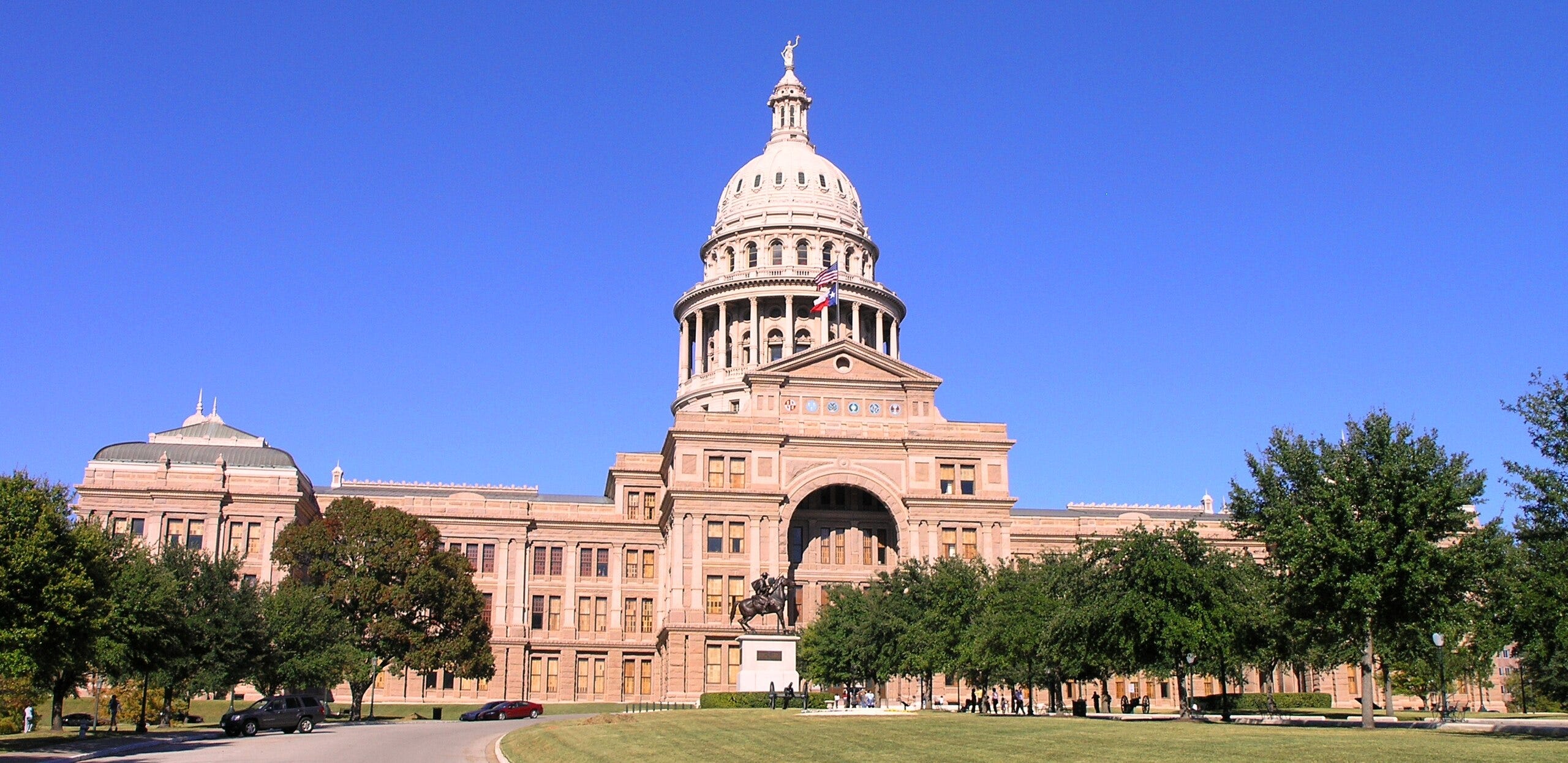
Texas will elect a U.S. senator, governor, lieutenant governor, attorney general, and all 38 U.S. House representatives in November 2026. The Senate race features the most expensive and competitive Republican primary in the state’s recent history.
U.S. Senate – Republican Primary: Incumbent Senator John Cornyn is seeking a fifth term but faces a competitive primary challenge from Texas Attorney General Ken Paxton and U.S. Representative Wesley Hunt of Houston. The race is expected to go to a May runoff between Cornyn and Paxton, as no candidate is polling close to 50 percent.
John Cornyn was first elected to the Senate in 2002. He previously served as Texas attorney general and as a justice on the Texas Supreme Court. Cornyn has raised $35 million and has received endorsements from Senate Majority Leader John Thune and numerous Senate Republicans. On the economy, Cornyn has focused on job creation and supporting Texas businesses through reduced federal regulation. On immigration, Cornyn voted for the One Big Beautiful Bill Act, which included $13.5 billion in reimbursements to Texas for border security operations and has called for securing the border before considering changes to immigration law. On federal spending, Cornyn supported the budget bill that included tax cuts and border security funding while reducing spending on some domestic programs.
Ken Paxton has served as Texas attorney general since 2015. He survived an impeachment trial in the Texas Legislature in 2023 and has been a vocal supporter of President Trump’s policies. Paxton has raised $10 million and has positioned himself as a conservative alternative to Cornyn. On the economy, Paxton has emphasized fighting federal regulatory overreach and protecting Texas businesses from what he describes as Democratic economic policies. On immigration, Paxton has been an aggressive advocate for strict border enforcement and has filed numerous lawsuits challenging federal immigration policies. On federal spending, Paxton has called for major cuts to federal agencies and programs he describes as wasteful while increasing border security and defense spending.
Wesley Hunt was elected to the U.S. House in 2022 and represents Texas’s 38th congressional district. Hunt, a U.S. Army veteran, has raised $8 million and is positioning himself as a younger alternative who can appeal to both establishment Republicans and Trump supporters. On the economy, Hunt has focused on reducing inflation and creating jobs through tax cuts and deregulation. On immigration, Hunt supports strict border enforcement and expanded border wall construction. On federal spending, Hunt has called for reducing the federal deficit through spending cuts to domestic programs.
Five other Republicans are also running: John Adefope, Anna Bender, Virgil Bierschwale, Sara Canady, and Gulrez Khan.
Polling shows Cornyn and Paxton in a statistical tie at approximately 30 percent each, with Hunt at 12 percent and 37 percent of voters undecided as of early February 2026. President Trump has not endorsed any candidate but has said both Cornyn and Paxton are good friends. His endorsement is considered critical to determining the runoff winner.
U.S. Senate – Democratic Primary: U.S. Representative Jasmine Crockett of Dallas and State Representative James Talarico of Austin are competing for the Democratic nomination.
Jasmine Crockett was elected to the U.S. House in 2022 and has gained national attention as a vocal critic of the Trump administration. She previously served in the Texas House and worked as an attorney. On the economy, Crockett has called for middle-class tax relief and increased wages through federal minimum wage increases. On immigration, Crockett supports comprehensive immigration reform that includes border security measures and a pathway to legal status for some immigrants. On federal spending, Crockett has called for reducing defense spending and increasing investments in health care, education, and infrastructure.
James Talarico was elected to the Texas House in 2018 and worked as a middle school teacher before entering politics. On the economy, Talarico has focused on affordability and fighting corporate concentration through antitrust enforcement. On immigration, Talarico supports border security combined with immigration reform. On federal spending, Talarico has called for progressive taxation and increased investment in public services.
Ahmad Hassan is also running in the Democratic primary.
Republicans are heavily favored to win the general election in Texas, which has not elected a Democrat to statewide office since 1994. However, Democrats believe the divisive Republican primary could create an opening in November.
Governor: Republican Governor Greg Abbott is seeking a fourth term. Abbott has faced minimal opposition in previous elections and is running largely unopposed in the Republican primary. Five Republicans have filed to challenge him, including State Board of Education member Evelyn Brooks, but none are considered serious threats.
Seven Democrats are competing for the nomination, including State Representative Gina Hinojosa of Austin. Hinojosa has campaigned on education funding, corruption reform, and opposition to Abbott‘s school voucher proposals.
March 10, 2026 – Mississippi
Primary Date: March 10, 2026
Primary Type: Open primary
Runoff: April 7, 2026 if no candidate receives a majority
Voter ID: Mississippi requires photo identification to vote
Early Voting: Mississippi does not offer in-person early voting
Absentee Voting: Applications must be submitted in advance; specific deadline varies by county
Mississippi will elect a U.S. senator and all four U.S. House representatives in November 2026. The state’s elections are expected to favor Republican candidates, as Mississippi has not elected a Democrat to statewide office since 2008.
U.S. Senate: Republican incumbent Cindy Hyde-Smith is seeking a third term. She faces a primary challenge from Sarah Adlakha. Three Democrats are competing for the nomination: Scott Colom, Priscilla W. Till, and Albert R. Littell.
Hyde-Smith was appointed to the Senate in 2018 and won elections in 2018 and 2020. She has focused her campaigns on agricultural issues, support for President Trump’s policies, and conservative social values.
U.S. House – District 2: Democratic incumbent Bennie Thompson faces primary challenges from Evan Turnage, an antitrust attorney who formerly served as counsel to Senators Chuck Schumer and Elizabeth Warren, and Pertis Williams III. Thompson has represented Mississippi’s 2nd congressional district since 1993. Turnage has criticized Thompson‘s tenure and called for new leadership.
District 2 is the poorest congressional district in Mississippi and one of the poorest in the nation. The district has a majority-Black population and consistently elects Democrats. The primary winner is likely to win the general election.
March 17, 2026 – Illinois
Primary Date: March 17, 2026
Primary Type: Closed primary
Voter ID: Illinois does not require photo identification to vote
Early Voting: Began February 5, 2026 in most counties; dates vary by jurisdiction
Absentee Voting: Applications must be submitted by specified deadlines; details vary by county
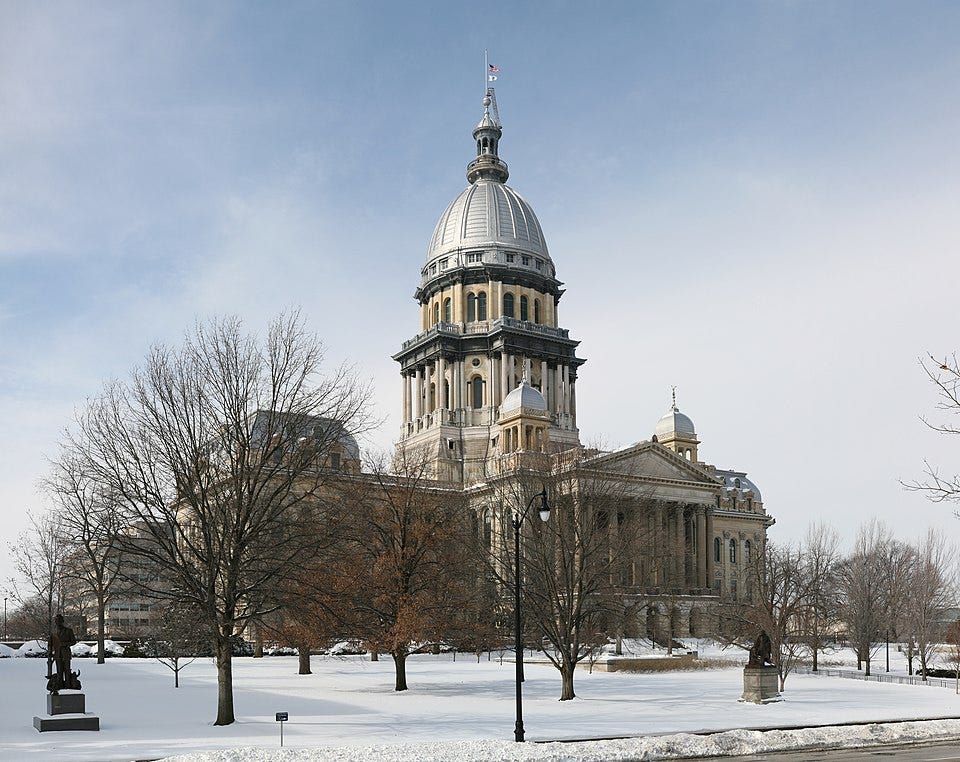
Illinois will elect a U.S. senator, governor, and all 17 U.S. House representatives in November 2026. The Senate race features the first open seat since 2010.
U.S. Senate: Democratic Senator Dick Durbin announced on April 23, 2025 that he would not seek re-election after serving in the Senate since 1997. Durbin held the Senate’s second-ranking Democratic leadership position for much of his tenure.
Democratic Primary: The three leading candidates are Lieutenant Governor Juliana Stratton, U.S. Representative Robin Kelly of the 2nd congressional district, and U.S. Representative Raja Krishnamoorthi of the 8th congressional district.
Juliana Stratton received the endorsement of Governor J.B. Pritzker immediately after announcing her candidacy on April 24, 2025. Stratton previously served in the Illinois House. On the economy, Stratton has called for reducing living costs and expanding middle-class opportunities through job creation and education programs. On immigration, Stratton supports comprehensive immigration reform. On federal spending, Stratton has emphasized protecting federal programs that support working families while finding efficiencies in government operations.
Robin Kelly was elected to Congress in 2013 and has focused her legislative career on gun violence prevention and health care access. On the economy, Kelly has called for supporting small businesses and creating jobs through infrastructure investment. On immigration, Kelly supports border security combined with immigration reform. On federal spending, Kelly has called for progressive taxation and increased investment in education and health care.
Raja Krishnamoorthi was elected to Congress in 2017 and has focused on oversight of the Trump administration. On the economy, Krishnamoorthi has proposed an American Dream economic plan that includes homeowner tax credits and expanding access to education. On immigration, Krishnamoorthi has criticized aggressive enforcement tactics and supports comprehensive reform. On federal spending, Krishnamoorthi has called for accountability in government spending while protecting social programs.
Fourteen total candidates are running in the Democratic primary. Krishnamoorthi has raised the most money, with approximately $21 million in his campaign account.
Republican Primary: Six Republicans are competing for the nomination. The field has not received the same level of attention as the Democratic primary because Illinois has not elected a Republican to the Senate since 2010, and Democrats are favored to hold the seat.
Governor: Governor: Democratic Governor J.B. Pritzker is seeking a third term, which no Democratic governor has achieved in Illinois history. Four Republicans are competing in the Republican primary: Darren Bailey, Ted Dabrowski, Rick Heidner, and James Mendrick.
Conclusion
The March 2026 primaries represent the opening test of candidate strength in the 2026 midterm election cycle. Results in these five states will allocate the first delegates and establish which candidates advance to the November 3, 2026 general election.
North Carolina and Texas feature the two most competitive Senate races, with both states’ outcomes potentially determining which party controls the Senate in 2027. Arkansas and Mississippi will likely maintain Republican control of their statewide offices. Illinois is expected to elect a Democrat to succeed Dick Durbin.
The primaries operate under the voting eligibility and procedural rules that govern American elections. Voter identification requirements, registration deadlines, and early voting procedures vary by state. Delegates are allocated through proportional or winner-take-all systems depending on state party rules.
November 3, 2026 will determine the final winners for offices that control federal budgets exceeding 6 trillion dollars, Senate confirmations of judicial nominees and executive branch officials, and state policies on taxation, law enforcement, education, and border enforcement. The March primaries begin that process.