
Polling Organizations Explained: Major Firms, Methodologies, and Accuracy Records
How Surveys Shape Election Coverage

By Scott Burton Official

Polling organizations conduct surveys throughout U.S. election cycles to estimate voter preferences, issue priorities, and likely turnout. These surveys appear in media reports, campaign planning, and public discussions leading up to elections. Major firms use different sampling techniques, weighting methods, and data collection modes, which affect their results. Accuracy records from past elections provide data on how closely polls matched final vote shares and winner outcomes. The following sections detail the prominent polling organizations, their methodologies, and documented performance in recent cycles.
Major Polling Organizations
Several national polling firms release regular surveys during election years. Quinnipiac University Poll operates from Connecticut and uses random digit dialing with live interviewers for national and state-level surveys.
New York Times/Siena College conducts polls for the newspaper, often ranking highly in post-election evaluations.
Marquette University Law School Poll, based in Wisconsin, produces frequent national and battleground-state surveys.
Monmouth University Polling Institute in New Jersey runs telephone and online surveys. YouGov employs online panels recruited through various methods. Emerson College Polling releases frequent national and state polls.
Other active firms include Washington Post/ABC News, Pew Research Center, and university-based operations such as those at Harvard/Harris and CBS News/YouGov.
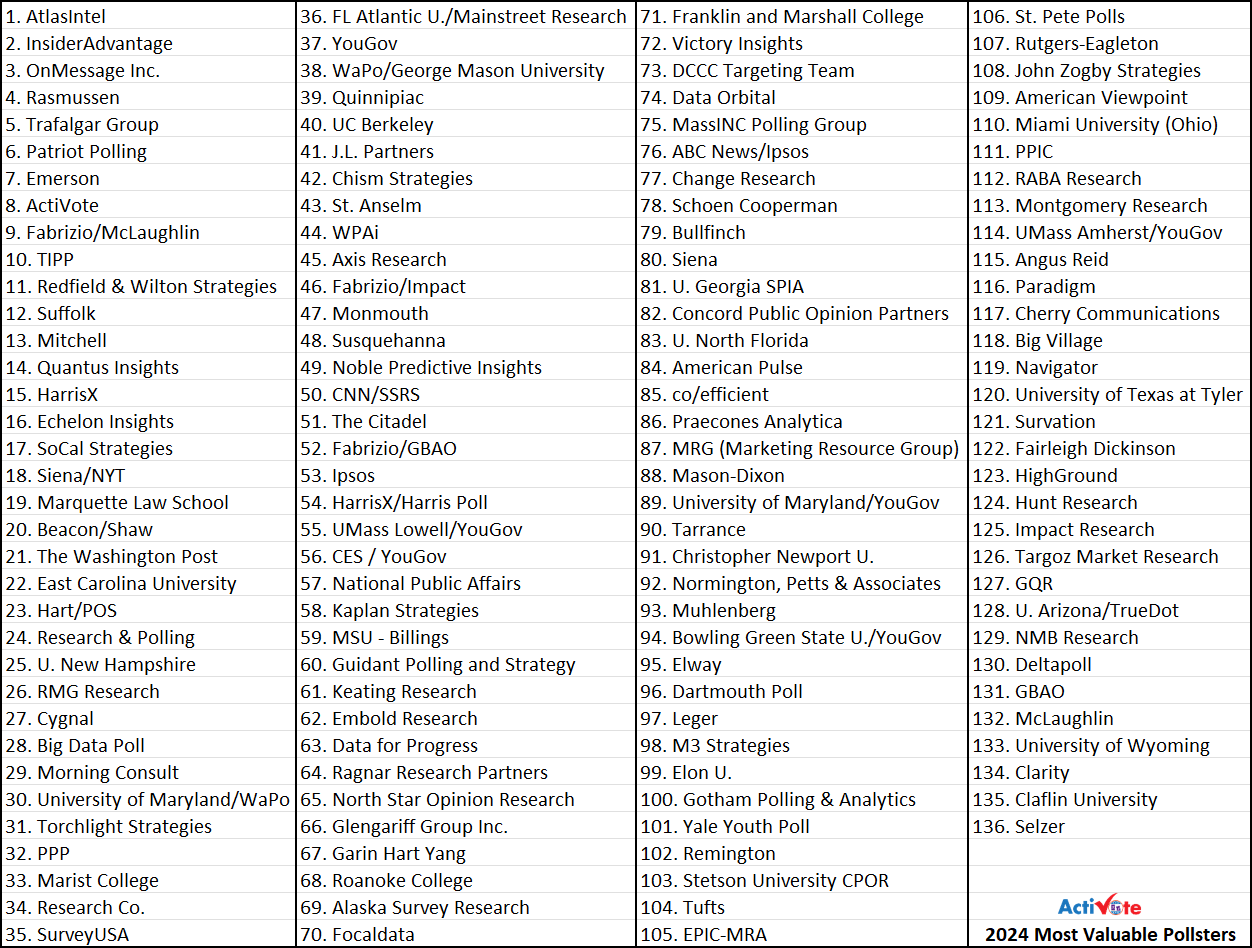
Aggregators compile and rate these polls. RealClearPolitics maintains an average of major national and state surveys. Silver Bulletin (formerly FiveThirtyEight) tracks historical accuracy and assigns ratings based on past performance. These aggregators do not conduct original polling but provide context for individual firm results.
Polling Methodologies Explained
Polling firms select samples using different approaches. Random digit dialing generates phone numbers (landline and cell) to reach respondents. Online panels recruit participants through opt-in methods or address-based sampling. Some firms combine modes, such as telephone with online follow-up.
Weighting adjusts raw data to match known population characteristics. Firms use U.S. Census Bureau data or voter file information for variables including age, gender, race, education level, region, and party registration. Likely voter models screen respondents based on registration status, past voting history, self-reported intent to vote, and attention to the election.
Margin of error is calculated from sample size. A survey of 1,000 adults typically carries a margin of ±3 percentage points at the 95 percent confidence level. Subgroup results (e.g., by age or party) have larger margins. Response rates have declined over time, requiring adjustments for non-response bias.
Collection modes include live telephone interviews, automated interactive voice response, online questionnaires, and text-to-web links. Firms update methodologies as technology and response patterns change, such as increasing cell phone sampling after landline dominance ended.
Accuracy Records and Performance
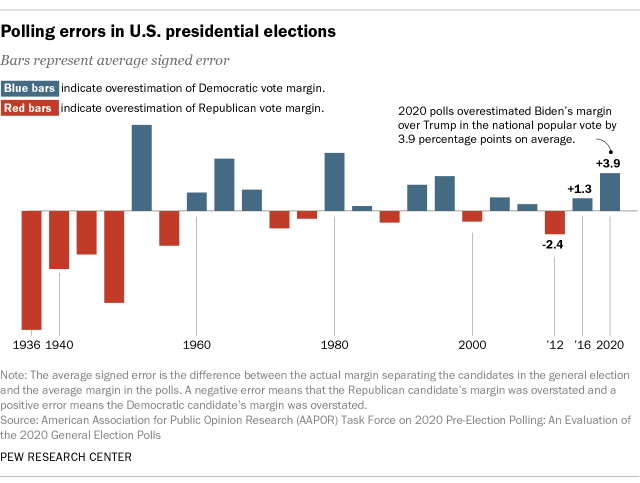
Accuracy is evaluated by comparing poll-predicted vote shares to final election results and by correct winner calls. Aggregators measure average error (plus-minus deviation) across multiple races. In the 2020 presidential election, some firms showed higher errors on national vote share, while state-level polls varied. The 2022 midterms produced stronger overall performance, with many national and battleground polls within typical margins.
Specific firms have records tracked by aggregators. New York Times/Siena College polls ranked among the lowest average errors in recent cycles. Marquette University Law School Poll and Monmouth University Polling Institute received high marks for transparency and accuracy in 2020 and 2022. Quinnipiac University Poll and Emerson College Polling appear in top tiers on multiple aggregator lists. YouGov has shown consistent performance in online-mode comparisons.
Errors occur due to sampling variability, late voter shifts, turnout differences from models, and non-response patterns. No firm achieves perfect prediction; historical data shows average national error around 3–4 points in recent presidential cycles, with state races often higher.
Conclusion
Polling organizations use varied sampling, weighting, and collection methods to estimate voter sentiment before elections. Accuracy records from cycles such as 2020, 2022, and 2024 offer data for evaluating reliability.
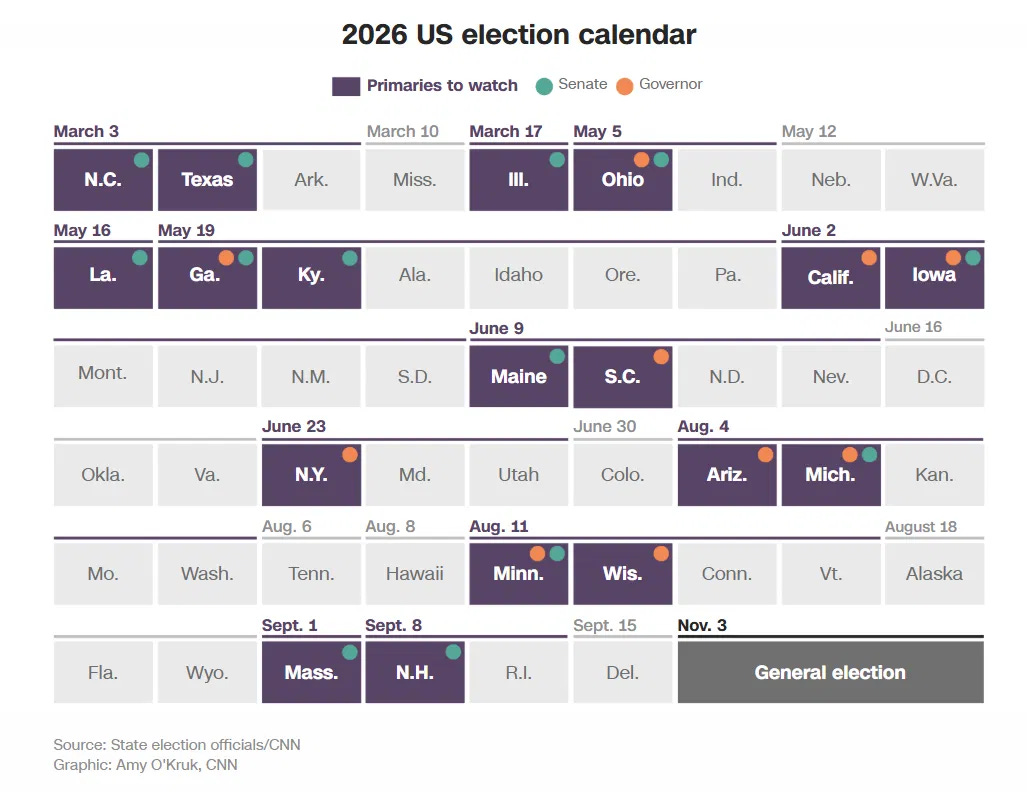
As the 2026 midterm elections approach, with primaries starting in March 2026 and the general election on November 3, 2026, these surveys will measure preferences on congressional, gubernatorial, and state races.
Readers can monitor major firms and aggregators to follow developments as the cycle unfolds.
A good description of polling. Lots of room for questions. Why does polling ask for banking information?