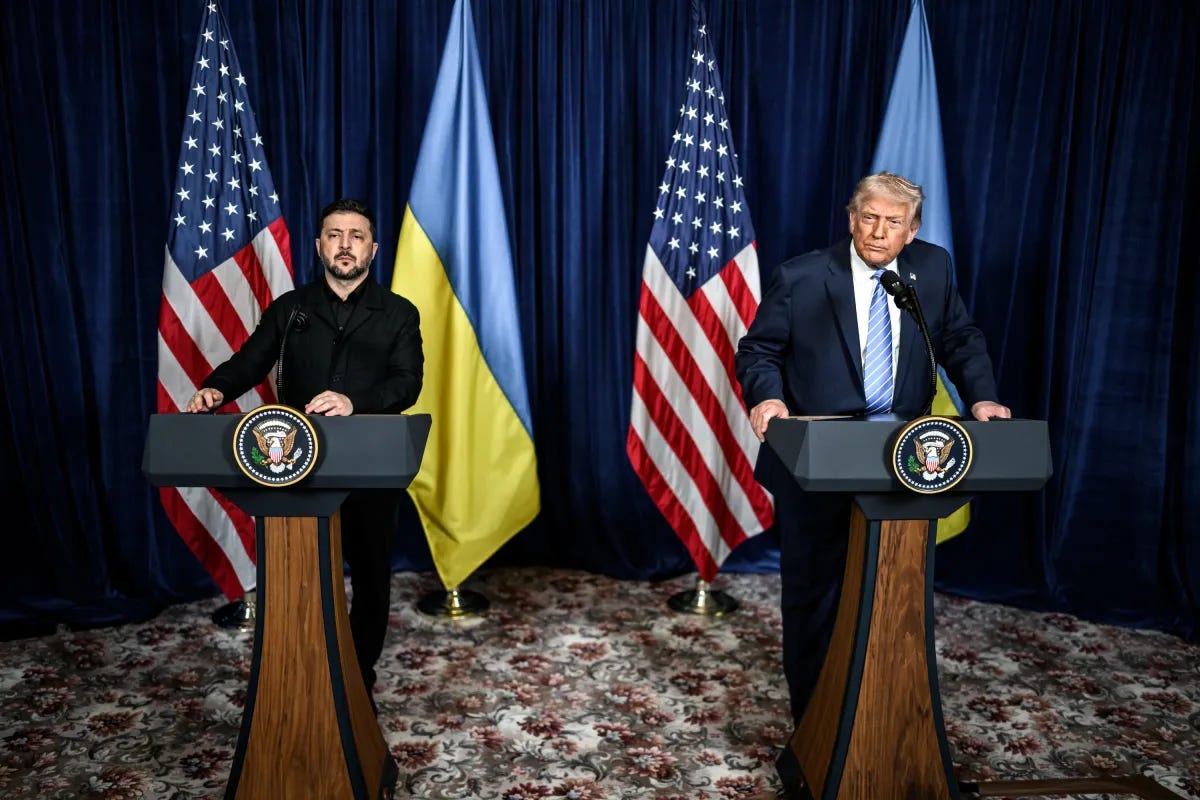
From Maidan to Valdai: The Russia-Ukraine Conflict, 2013–2025
By Scott Burton Official for TrumpTrain.net (17 min read)

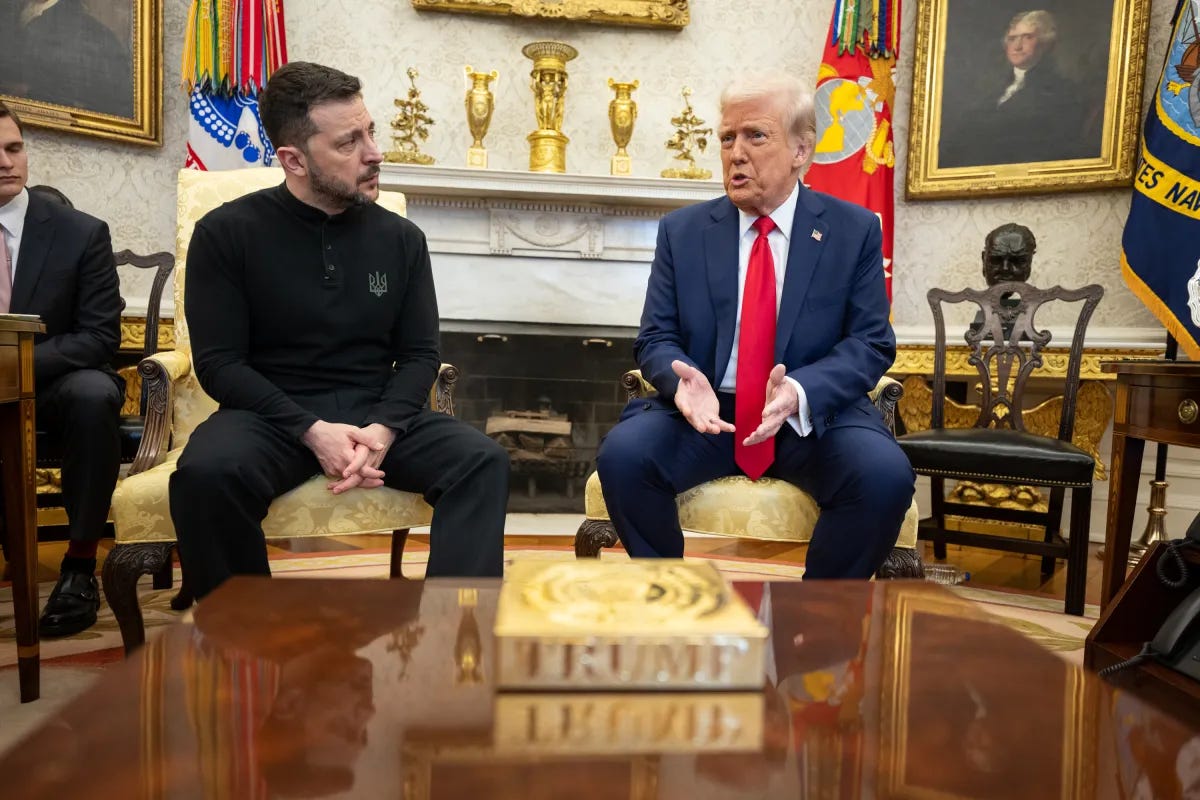
WASHINGTON — The armed conflict between Russia and Ukraine, which escalated into a full-scale Russian invasion in February 2022, traces its origins to political upheaval in Kyiv in late 2013 and early 2014. Those events led to the ousting of Ukraine’s president, Russia’s annexation of Crimea, and the start of fighting in eastern Ukraine that has continued in varying intensity for more than a decade. The conflict has resulted in hundreds of thousands of military and civilian casualties, displaced millions, and drawn extensive international involvement, including billions in U.S. and allied aid to Ukraine.
Euromaidan Protests and Revolution of Dignity
Protests in Ukraine began on November 21, 2013, after President Viktor Yanukovych suspended plans to sign an association agreement with the European Union. Thousands gathered in Kyiv’s Independence Square, known as Maidan Nezalezhnosti, demanding closer ties with Europe and an end to government corruption. Demonstrations grew over the following weeks, drawing participants from across the country. Violence escalated in January 2014 when parliament passed laws restricting protests. Clashes between demonstrators and security forces intensified in February, and security forces killed more than 100 protesters over several days, most by sniper fire on February 20. Yanukovych fled the country on February 22, parliament voted to remove him from office, and new elections were scheduled. The events became known as the Revolution of Dignity or Euromaidan Revolution.
Russian Annexation of Crimea
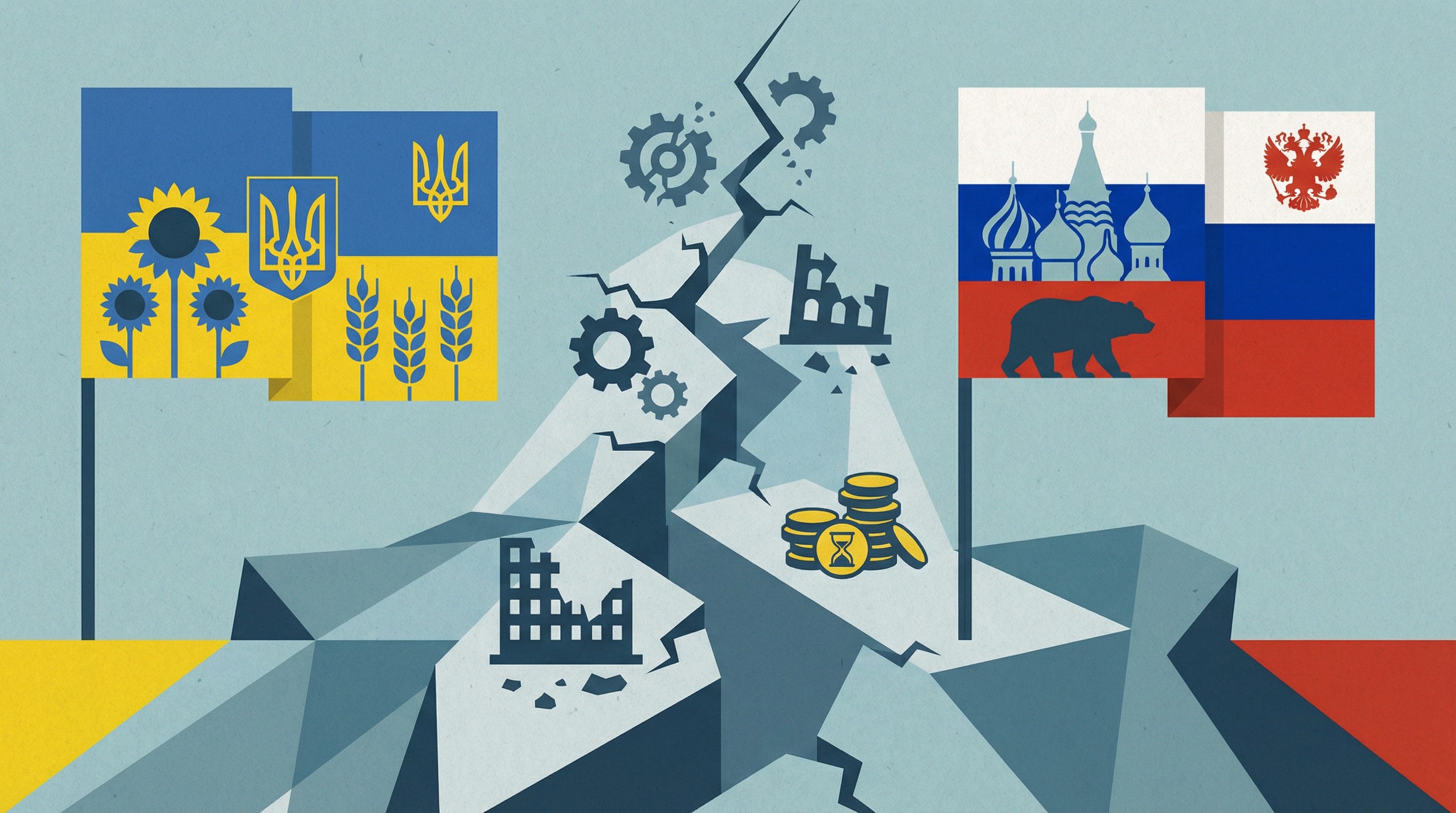
Russian forces without insignia occupied key sites in Crimea beginning February 27, 2014. The peninsula had been part of Ukraine since 1954 but hosted Russia’s Black Sea Fleet under a lease agreement. Russian troops blockaded Ukrainian military bases, and Crimean authorities under Russian control organized a referendum on March 16. Official results claimed overwhelming support for joining Russia, and Russia formally annexed Crimea on March 18. The international community, including the United States, did not recognize the annexation.
Start of Fighting in Donbas
Pro-Russian protests erupted in eastern Ukraine’s Donetsk and Luhansk regions in March 2014. Armed groups seized government buildings in several cities and proclaimed the Donetsk People’s Republic and Luhansk People’s Republic in April. Ukraine launched military operations to regain control that month, and fighting intensified through the summer as Russian forces and equipment supported the separatists. Ceasefire agreements known as Minsk I and Minsk II were signed in September 2014 and February 2015. They reduced large-scale combat but did not end violations, and low-intensity fighting continued along a contact line dividing government and separatist-held areas.
U.S. Involvement and Pressure on Ukrainian Prosecutor
The United States condemned Russia’s actions in Crimea and Donbas, imposing sanctions on Russian officials and entities. Non-lethal aid to Ukraine began in 2014. In 2015–2016, Vice President Joe Biden led U.S. efforts to support Ukrainian anti-corruption reforms. International lenders, including the IMF, conditioned aid on progress against corruption. Ukraine’s prosecutor general, Viktor Shokin, faced criticism for inaction on high-level cases. Biden publicly pressured Ukraine to fire Shokin, threatening to withhold $1 billion in U.S. loan guarantees. In a 2018 speech at the Council on Foreign Relations, Biden recounted telling Ukrainian leaders, “I said, ‘You’re not getting the billion... If the prosecutor is not fired, you’re not getting the money.’ Well, son of a bitch, he got fired.” Shokin was dismissed by Ukraine’s parliament in March 2016, and the loan guarantees were released.
Buildup to Full-Scale Invasion
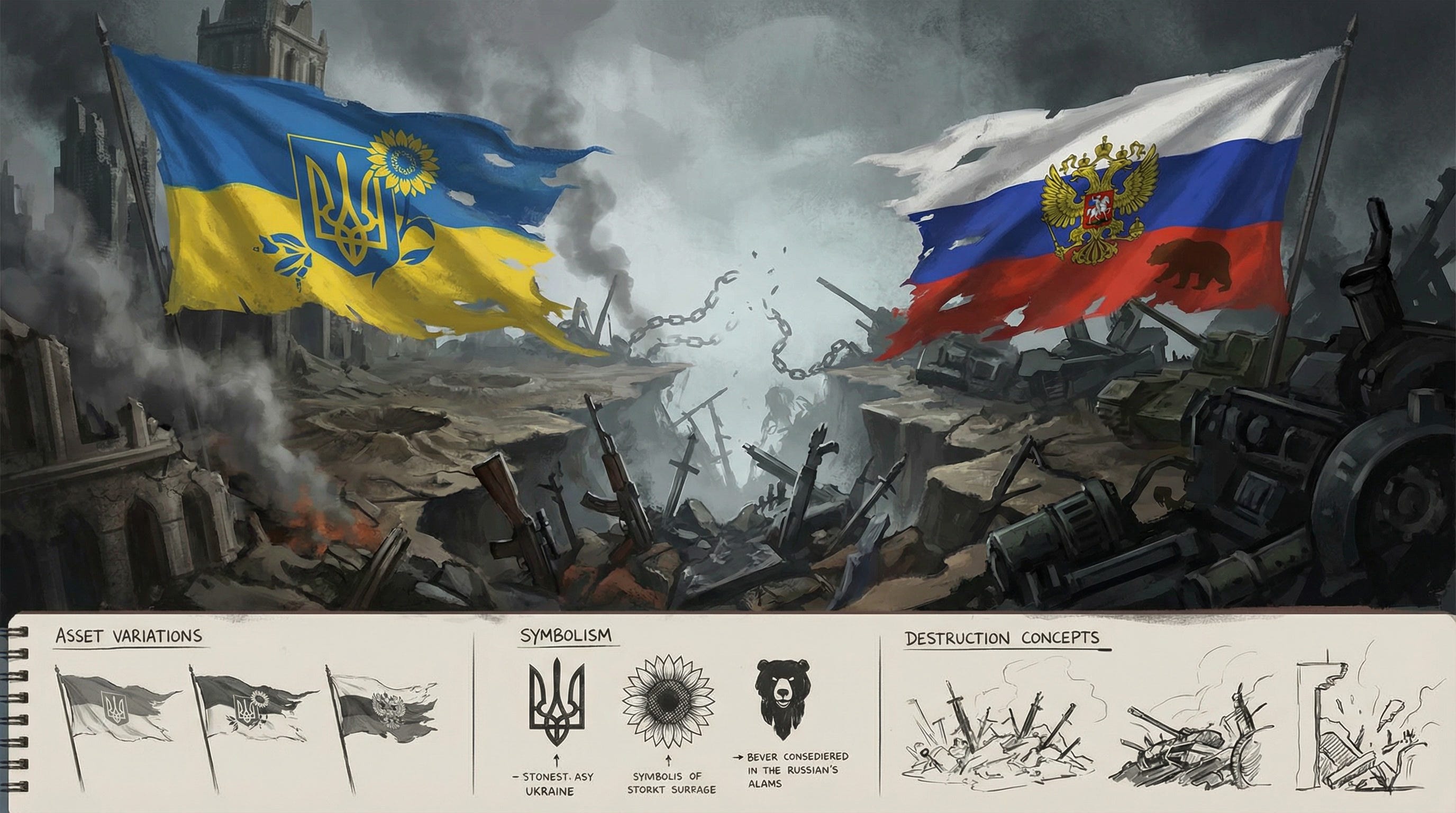
Tensions rose in 2021 as Russia massed troops near Ukraine’s borders and demanded guarantees against NATO expansion. Negotiations failed to resolve differences. Russia recognized the Donetsk and Luhansk separatist entities as independent on February 21, 2022, and Russian forces entered those areas. Russia launched a full-scale invasion on February 24, 2022, from multiple directions. Initial objectives included rapid capture of Kyiv, but Ukrainian resistance prevented quick victory. Fighting focused on eastern and southern regions, where Russia occupied additional territory but faced counteroffensives.
U.S. and International Aid During Invasion
The United States provided military assistance to Ukraine beginning in 2022. Total U.S. security assistance from February 2022 through 2025 exceeded $66 billion, including weapons, training, and intelligence. European countries and others contributed billions more. Aid supported Ukrainian defenses and counteroffensives.
Late 2025 Developments and Peace Efforts
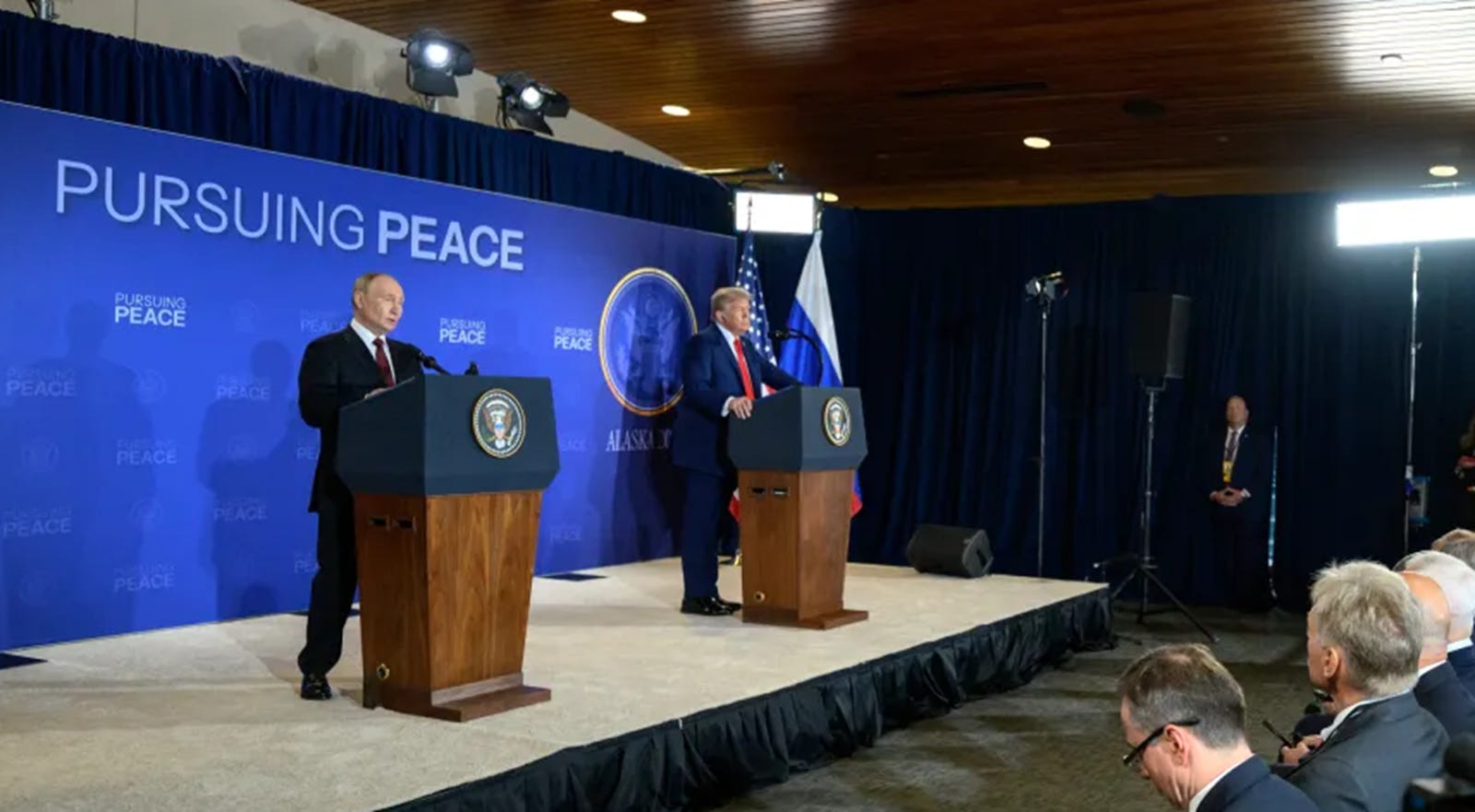
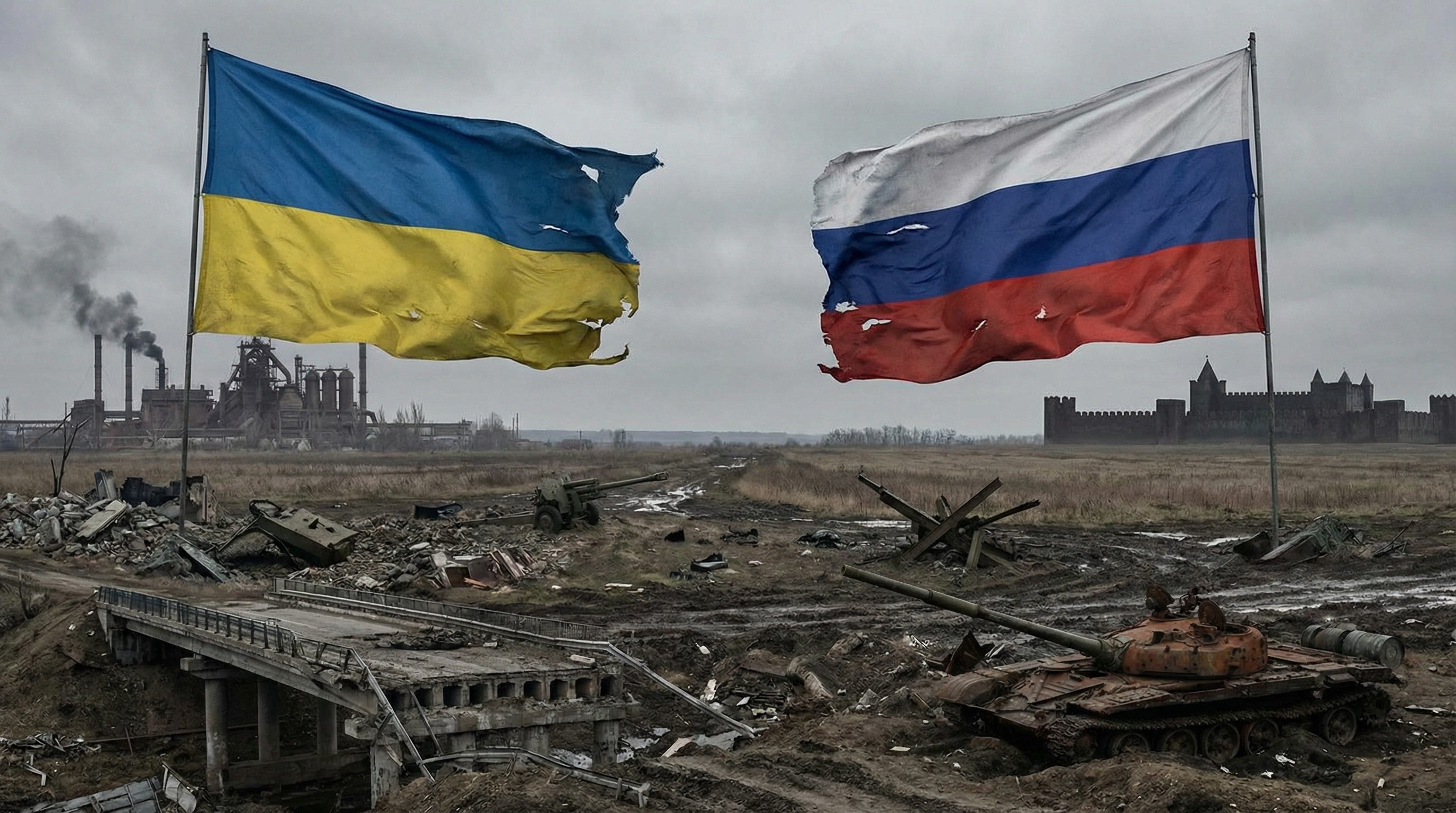
Diplomatic efforts intensified in late 2025 under U.S. mediation. President Donald Trump engaged directly with Ukrainian President Volodymyr Zelenskyy and Russian President Vladimir Putin. Talks focused on ceasefire terms and security arrangements. Russian officials reported a Ukrainian drone attack on Putin’s Valdai residence overnight December 28–29, 2025. They stated 91 drones targeted the site and were intercepted. Putin informed Trump of the incident during a phone call. Trump described the claim as serious and expressed anger, saying it complicated negotiations but did not halt efforts. Talks continue into early 2026 with unresolved issues on territory and guarantees.