
Where Texas and North Carolina Senate Candidates Stand on Immigration, Taxes, Healthcare, and Social Issues
A detailed guide to where Ken Paxton, John Cornyn, Wesley Hunt, Jasmine Crockett, James Talarico, Michael Whatley, and Roy Cooper stand on four key issues

By Scott Burton Official (11 min read)

Two critical U.S. Senate seats are up for grabs in 2026, with primaries in Texas and North Carolina drawing national attention. The Senate currently has a 53-47 Republican majority. These races could reshape the chamber’s balance.
In Texas, incumbent Republican Sen. John Cornyn faces primary challenges from Attorney General Ken Paxton and U.S. Rep. Wesley Hunt. The Democratic primary features U.S. Rep. Jasmine Crockett and State Rep. James Talarico. In North Carolina, Republican National Committee Chairman Michael Whatley is running against former Democratic Gov. Roy Cooper for the seat being vacated by retiring Sen. Thom Tillis.
The Texas Tribune invited all candidates to complete detailed policy questionnaires. U.S. Rep. Jasmine Crockett and State Rep. James Talarico responded. Sen. John Cornyn, Rep. Wesley Hunt, and Attorney General Ken Paxton did not respond; their positions are documented from voting records and public statements.
While many positions align with national party platforms, this guide documents the specific votes, bills, and statements from each candidate, allowing voters to see what their potential senators have actually said and done on these issues. This article focuses on four policy areas—immigration, taxes, healthcare, and social issues—where documented positions are available for all candidates.
Primary elections are March 3, 2026, with runoffs on May 26 if no candidate reaches 50 percent.
Immigration and Border Security

Immigration enforcement and pathways to citizenship have been central issues in both Senate races. In February 2026, the Republican-led House passed the SAVE America Act by a 218-213 vote, requiring proof of citizenship to register to vote.
Texas Republicans
Attorney General Ken Paxton has sued the Biden administration over 100 times on immigration matters and supports Texas SB 4, which allows state police to arrest undocumented immigrants. Paxton supported border wall construction and led 16 state attorneys general in opposing a Biden-backed Senate border bill. His campaign states he has been “standing up against open borders.”
Sen. John Cornyn, who chairs the Judiciary Subcommittee on Immigration and Border Security, voted for the SAVE America Act in February 2026. He secured $12 billion in federal reimbursement for Texas border security and has introduced multiple bills on border enforcement, asylum processing, and E-Verify requirements.
Rep. Wesley Hunt voted for the SAVE America Act and introduced H.R. 1947 in 2023 to expedite deportations for those convicted of crimes. He supports ending catch-and-release policies and building a border wall.
Texas Democrats
Rep. Jasmine Crockett voted against the SAVE America Act, stating it would “disenfranchise eligible voters.” She co-sponsored H.R. 6, the American Dream and Promise Act of 2023, creating a pathway to citizenship for Dreamers. Crockett supports comprehensive immigration reform and opposes family separation policies.
State Rep. James Talarico voted for immigrant legal services funding in the 2023 Texas budget and supports pathways to citizenship. His Texas House record shows consistent support for immigrant rights measures.
North Carolina
Republican National Committee Chairman Michael Whatley supports border wall construction and increased Border Patrol staffing. As RNC Chairman, he advocated for passage of the SAVE America Act.
Former Gov. Roy Cooper vetoed 2019 legislation requiring sheriffs to comply with ICE detainers—a veto the Republican legislature overrode. Cooper opposed North Carolina‘s participation in federal immigration enforcement programs and issued executive orders protecting immigrant communities. He supports comprehensive immigration reform.
Key Positions:
Paxton: Sued Biden 100+ times, supports state police arrest authority.
Cornyn: Secured $12B for border operations, chairs immigration subcommittee.
Hunt: Introduced deportation bill, supports border wall.
Crockett: Opposes SAVE Act, supports Dreamer citizenship pathway.
Talarico: Funded legal services, supports comprehensive reform.
Whatley: Supports border wall, increased Border Patrol.
Cooper: Vetoed ICE cooperation, issued protective orders.
Tax Policy and Economic Growth
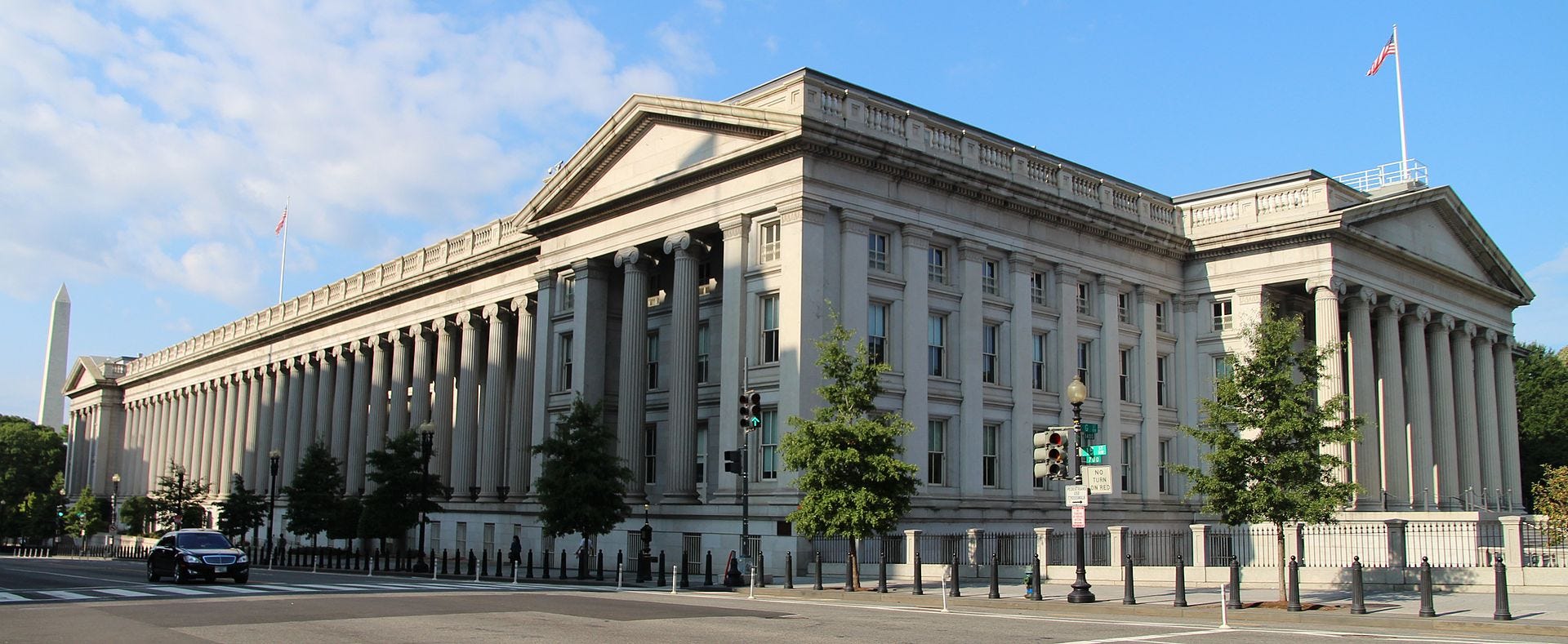
The Tax Cuts and Jobs Act passed in December 2017 lowered the corporate tax rate from 35 to 21 percent. In 2025, Congress passed the One Big Beautiful Bill Act, making Trump tax cuts permanent and eliminating renewable energy tax credits.
Texas Republicans
Attorney General Ken Paxton and Rep. Wesley Hunt have not released detailed tax policy positions. Paxton‘s campaign focuses on supporting the Trump agenda but has not addressed specific tax proposals.
Sen. John Cornyn voted for the Tax Cuts and Jobs Act in 2017 and the One Big Beautiful Bill Act in 2025. As Senate Whip, he helped secure votes for the 2017 tax cuts. Cornyn supports eliminating taxes on tips and overtime income and has worked to expand Health Savings Accounts.
Texas Democrats
Rep. Jasmine Crockett voted against the One Big Beautiful Bill Act, calling it the “Big, Ugly Bill.” She states “billionaires need to pay their fair share in taxes” and supports ending tariffs. Her position: “Make billionaires and the largest corporations pay their fair share.”
State Rep. James Talarico supports raising income and capital gains taxes on the wealthiest Americans to fund programs helping ordinary citizens. “These billionaires aren’t just buying yachts and jets. They are buying power,” he has said. Talarico also supports ending tariffs.
North Carolina
Republican National Committee Chairman Michael Whatley is expected to support Trump tax policies. His campaign emphasizes “tax policies that are going to help our small businesses” and criticizes Cooper‘s “tax-and-spend” approach.
Former Gov. Roy Cooper opposed corporate tax cuts as governor, though his vetoes were overridden. His Senate campaign: “The biggest corporations and the richest Americans have grabbed unimaginable wealth at your expense. I’m running for Senate because it’s time for that to change.” Cooper raised $3.4 million in 24 hours campaigning on economic fairness.
Key Positions:
Paxton: No detailed positions released.
Cornyn: Voted for tax cuts, supports no tax on tips/overtime.
Hunt: No detailed positions released.
Crockett: Wants higher taxes on billionaires and corporations.
Talarico: Supports raising taxes on wealthiest Americans.
Whatley: Expected to support Trump tax policies.
Cooper: Opposes corporate tax cuts, campaigns on fairness.
Health Care and Medicaid
The Affordable Care Act expanded health insurance through marketplace subsidies and allowed states to expand Medicaid. Texas has not expanded Medicaid, leaving approximately 5 million Texans uninsured. North Carolina expanded Medicaid in 2023, covering 600,000 residents.
Texas Republicans
Attorney General Ken Paxton has sued to overturn the ACA multiple times but has not released positions on Medicaid expansion or premium tax credits.
Sen. John Cornyn supports replacing the ACA and opposes ACA premium tax credit extensions without fraud reforms. In a December floor speech, Cornyn called a clean extension a “dirty bill” because “these subsidies are rife with fraud.” He prefers redirecting subsidies to Health Savings Accounts.
Rep. Wesley Hunt has not released specific healthcare positions.
Texas Democrats
Rep. Jasmine Crockett co-sponsors Medicare for All, supporting “a single-payer system that centers patients, not profits, and includes dental, vision, mental, and reproductive health coverage.” She co-sponsored legislation forcing Texas to accept Medicaid expansion and backed the Affordable Insulin Now Act capping insulin at $35 monthly. “Texas leads on uninsured in this country, with over 5 million uninsured,” she notes. Her principle: “Your health shouldn’t depend on your wallet.”
State Rep. James Talarico passed a $25 insulin co-pay cap in the Texas Legislature and legislation importing prescription drugs from Canada. He supports allowing every American to join Medicare, stating “universal coverage should be a nonnegotiable in the wealthiest country in human history.” Talarico, who has Type 1 diabetes, calls universal healthcare “a human right.”
North Carolina
Republican National Committee Chairman Michael Whatley has made limited healthcare policy statements and is expected to support Trump administration healthcare positions.
Former Gov. Roy Cooper secured Medicaid expansion in 2023, covering 600,000 residents—what he describes as having “won the battle over Medicaid expansion” despite a Republican legislature. He opposes Medicaid cuts in the One Big Beautiful Bill Act: “Republicans are going to have to explain whether they support slashing healthcare to fund more tax breaks for the wealthy.”
Key Positions:
Paxton: Sued to overturn ACA, no expansion positions.
Cornyn: Opposes ACA subsidies without fraud reforms.
Hunt: No positions released.
Crockett: Medicare for All co-sponsor, supports expansion.
Talarico: Passed insulin cap, supports universal coverage.
Whatley: Expected to align with Republican ACA positions.
Cooper: Secured expansion covering 600,000 North Carolinians.
Social Policy: Abortion, Education, and LGBTQ Rights
The Supreme Court’s 2022 Dobbs decision returned abortion regulation to states. Texas enacted a near-total ban prohibiting abortion except in life-threatening emergencies. North Carolina passed a 12-week ban in 2023, though Gov. Cooper‘s veto prevented further restrictions.
Abortion and IVF
Texas Republicans: Attorney General Ken Paxton has defended Texas‘s near-total abortion ban, which defines life beginning at fertilization. Paxton has not addressed IVF despite questions about the law’s implications for procedures involving frozen embryo disposal.
Sen. John Cornyn co-sponsored legislation to protect IVF access by penalizing states that ban the procedure. The Texas Tribune could not find recent public comments from Cornyn on abortion policy.
Rep. Wesley Hunt supports expanding IVF access. “President Trump believes in families and supports Americans having access to AFFORDABLE IVF treatment,” he posted in February 2026.
Texas Democrats: Rep. Jasmine Crockett states “self-determination, personal choice, and privacy are foundational constitutional rights” and that “women will never have full personal and economic freedom until we restore the right to abortion access.” She introduced the Abortion Care Awareness Act in 2024 to combat anti-abortion misinformation.
State Rep. James Talarico frames his pro-choice position through Christian faith and has positioned himself as a “fierce queer ally” despite his religious background.
North Carolina: RNC Chairman Michael Whatley says he is “proud of anti-abortion activists for defending ‘the sanctity of life.’” He defended the 2024 Republican platform stating states are free to pass abortion laws while opposing late-term abortion. Democrats criticize his support of North Carolina‘s 12-week ban.
Former Gov. Roy Cooper vetoed SB 20 banning abortion after 12 weeks in 2023. Republicans overrode the veto, but Cooper‘s opposition prevented additional restrictions. Abortion remains more accessible in North Carolina than any other Southern state except Virginia. In 2019, Cooper vetoed legislation penalizing providers who don’t resuscitate newborns surviving abortion, calling it “unnecessary interference between doctors and their patients.”
LGBTQ Rights and Education
Texas Republicans: Attorney General Ken Paxton has filed lawsuits on transgender care restrictions. In January 2026, he issued a 74-page opinion attacking diversity initiatives.
Sen. John Cornyn historically opposed same-sex marriage. At Justice Ketanji Brown Jackson‘s 2022 hearings, he stated states should have power to ban same-sex marriage. Cornyn voted for a bipartisan gun safety bill in 2022, drawing criticism from his party’s base.
Rep. Wesley Hunt has not released positions on LGBTQ rights or education policy.
Texas Democrats: Rep. Jasmine Crockett supports LGBTQ rights and maintains a 100 percent pro-labor voting record.
State Rep. James Talarico went viral in 2023 for challenging a bill mandating Ten Commandments in classrooms. “Why is having a rainbow in a classroom indoctrination and not having the Ten Commandments in a classroom?” he asked. Talarico uses Biblical arguments for church-state separation and received endorsement from the Houston LGBTQ+ Political Caucus. He is a former public school teacher.
North Carolina: As NC GOP chair, Michael Whatley oversaw censuring Sen. Thom Tillis for supporting LGBTQ rights. In 2020, Whatley praised then-candidate Mark Robinson as “a man of tremendous faith and a very solid conservative.” Robinson, who embraced a total abortion ban, later lost the 2024 governor’s race by nearly 15 points.
Former Gov. Roy Cooper signed legislation repealing North Carolina‘s “bathroom bill” and allowed cities to extend antidiscrimination protections to LGBTQ people. Cooper vetoed bills restricting gender-affirming healthcare, transgender sports participation, and classroom instruction on gender identity. Republicans overrode these vetoes. During eight years as governor, Cooper vetoed over 100 bills—almost three times all other North Carolina governors combined since the veto was created in 1997—with Republicans overriding many on abortion, transgender care, and immigration.
Key Positions on Abortion:
Paxton: Defended near-total ban.
Cornyn: Co-sponsored IVF protection.
Hunt: Supports IVF expansion.
Crockett: Unrestricted rights, introduced awareness act.
Talarico: Pro-choice through Christian lens.
Whatley: Supported 12-week ban.
Cooper: Vetoed restrictions, prevented further bans.
Key Positions on LGBTQ Rights:
Paxton: Filed transgender care lawsuits.
Cornyn: States should ban same-sex marriage (2022).
Hunt: No positions released.
Crockett: Strong ally, supports protections.
Talarico: “Fierce ally,” viral classroom defense.
Whatley: Censured Tillis for LGBTQ support.
Cooper: Repealed bathroom bill, vetoed restrictions.
Conclusion
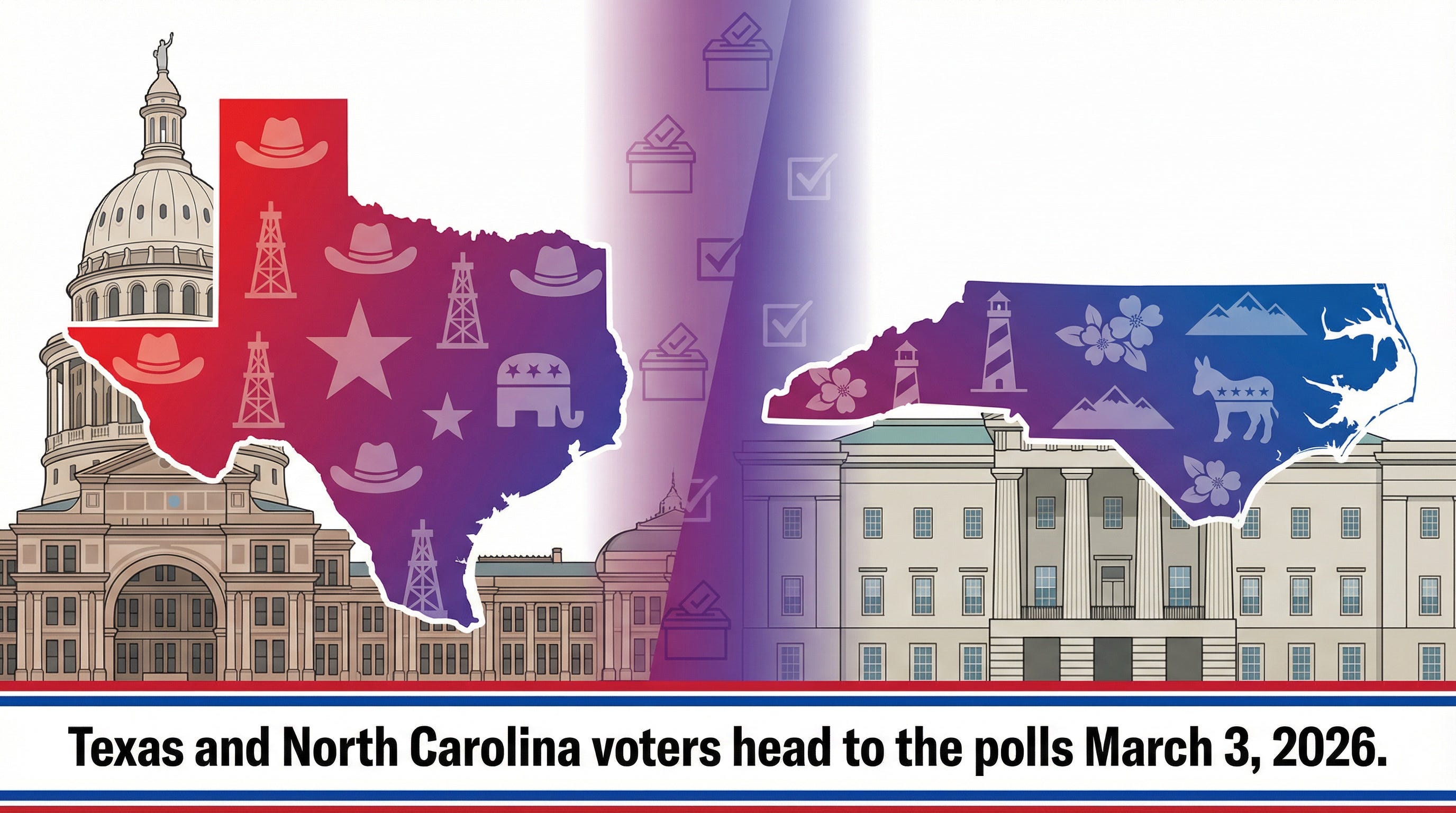
Texas and North Carolina voters will choose between these candidates in the March 3 primary, with runoffs on May 26 if no candidate reaches 50 percent. The general election is November 3, 2026.
For candidate information and voting locations, visit the Texas Secretary of State (sos.texas.gov) and North Carolina State Board of Elections (ncsbe.gov).
Research compiled from Texas Tribune candidate questionnaires, Congressional voting records, Texas Legislature records, North Carolina gubernatorial records, campaign statements, and public documents. Positions documented as of February 20, 2026.
Very informative article.