
Ukraine’s Kursk Incursion in 2024–2026: Objectives and Outcomes
Ukraine's cross-border operation into Russia's Kursk region from August 2024 to early 2026

By Scott Burton Official (16 min read)
Ukraine launched a cross-border incursion into Russia’s Kursk oblast on August 6, 2024, marking the first time since World War II that foreign forces entered Russian territory in significant numbers. The operation involved thousands of Ukrainian troops advancing into the region, capturing villages and territory in the initial phase. Ukrainian officials described it as a defensive measure to create a buffer zone and divert Russian forces from other fronts. Russian authorities called it an act of aggression and responded with a counteroffensive that regained much of the lost ground by mid-2025. The incursion continued into 2026 with limited Ukrainian-held areas and ongoing military activity.
Background and Planning
The Kursk oblast lies along Ukraine’s northeastern border in Russia. The region has strategic importance due to its proximity to Sumy oblast in Ukraine and its role as a staging area for Russian forces operating in northern Ukraine. Before 2024, both sides conducted limited cross-border actions in the area, including Ukrainian raids and Russian shelling.
Ukrainian military planning for the incursion began in early 2024. President Volodymyr Zelenskyy and Commander-in-Chief Oleksandr Syrskyi authorized the operation. The stated objectives included creating a buffer zone to protect Ukrainian border communities from Russian shelling, diverting Russian reserves from Donbas, and gaining leverage in potential negotiations.
Ukraine assembled a force of approximately 10,000 troops, including mechanized brigades and special operations units. The operation relied on surprise and rapid movement. Ukrainian forces used drones for reconnaissance and strikes to support the ground advance.
Launch and Initial Phase (August–October 2024)
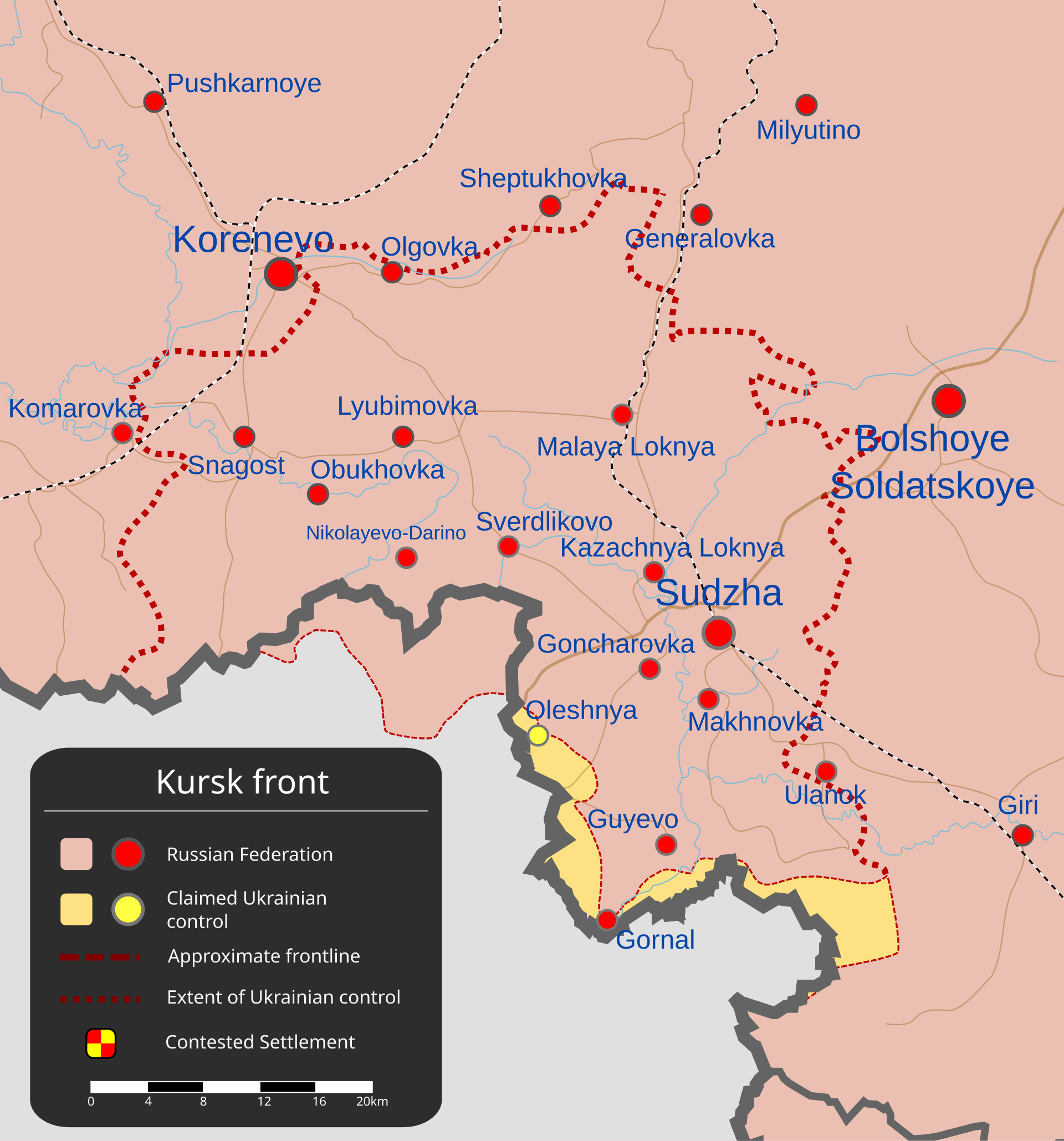
On August 6, 2024, Ukrainian forces crossed the border at multiple points near Sudzha and other border towns. They advanced quickly, capturing Sudzha and several villages within days. By mid-August, Ukrainian troops controlled approximately 1,000 square kilometers of Russian territory.
Russian defenses in the area were light, with limited regular troops and mostly border guard units. Ukrainian forces seized military equipment, ammunition depots, and administrative buildings. They established defensive positions and set up checkpoints.
Ukrainian officials reported capturing Russian soldiers and destroying military assets. Zelenskyy described the operation as a success in shifting Russian attention away from Donbas. Russian authorities acknowledged the incursion and began redeploying forces to the region.
Russian Counteroffensive (Late 2024–2025)
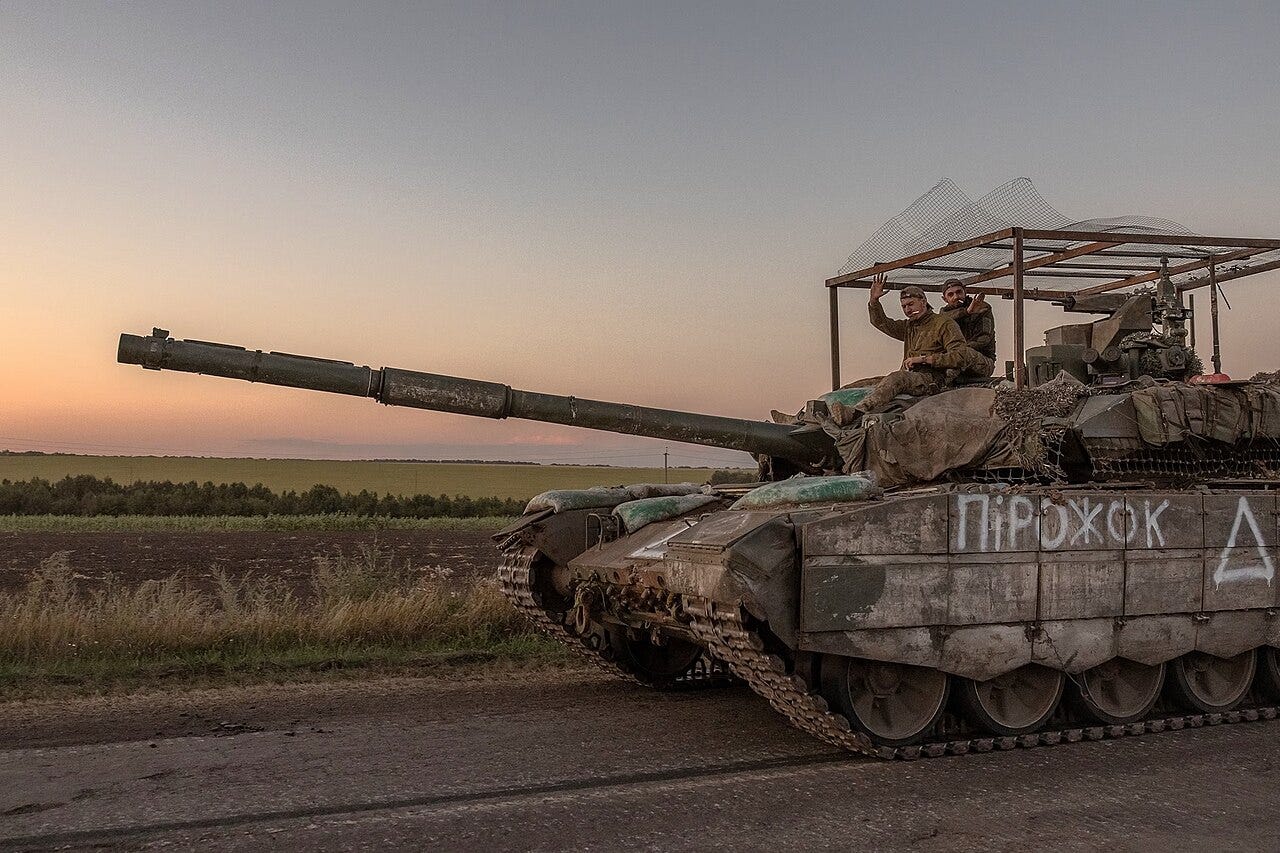
Russia responded by transferring units from other fronts to Kursk. In September 2024, Russian forces launched counterattacks supported by artillery and air strikes. They recaptured several villages and pushed Ukrainian troops back from some positions.
Fighting intensified in October and November 2024. Russian troops used glide bombs and drones to target Ukrainian supply lines. Ukrainian forces maintained control of Sudzha and surrounding areas but faced increasing pressure.
By early 2025, Russian forces regained approximately 60 percent of the territory Ukraine had taken. Ukrainian troops withdrew from some positions but held a reduced area around Sudzha. Both sides reported heavy casualties.
Outcomes and Status in 2026
The Kursk incursion achieved some of its objectives in the early phase. Ukraine created a temporary buffer zone, diverted Russian reserves from Donbas, and demonstrated the ability to conduct offensive operations on Russian soil. The operation also resulted in prisoner exchanges, with Ukraine securing the return of several hundred soldiers.
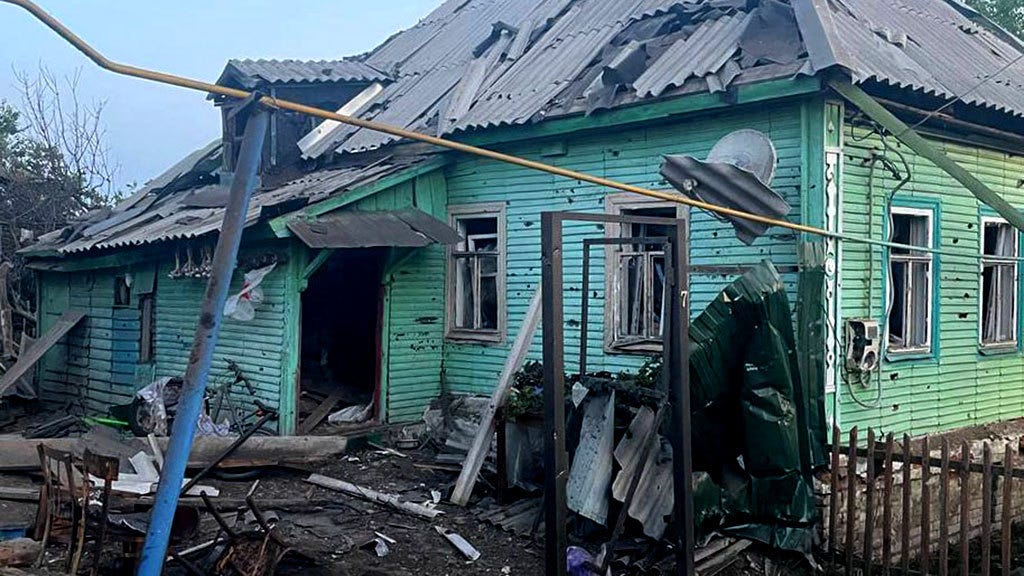
However, Russia recaptured most of the territory by mid-2025. As of early 2026, Ukrainian forces hold a small area near the border, estimated at 200–300 square kilometers. Russian authorities have rebuilt infrastructure in recaptured areas and increased security along the border.
The incursion had diplomatic effects. It complicated peace talks and led to Russian statements about revising negotiating positions. Ukraine maintained that the operation was defensive and necessary to protect its territory.
NATO’s Response
NATO member states expressed concern over the escalation of the conflict but did not condemn Ukraine’s actions. The alliance stated that Ukraine has the right to defend itself and conduct operations to counter Russian aggression. NATO Secretary General Jens Stoltenberg said in August 2024 that the incursion was a legitimate defensive measure and that NATO would continue to support Ukraine with military aid.
Several NATO countries increased deliveries of weapons and ammunition to Ukraine following the operation. The alliance held emergency consultations but did not activate Article 5 or deploy troops to the region. NATO emphasized that it is a defensive organization and that its support for Ukraine does not include direct participation in combat.
United States’ Response
The United States described the Kursk incursion as an internal Ukrainian military decision. U.S. officials stated that Ukraine has the right to defend its territory and conduct operations to protect its population from Russian attacks. The White House said in August 2024 that the operation did not change U.S. policy on providing aid to Ukraine.
The Biden administration continued to approve military assistance packages, including artillery shells, air defense systems, and long-range weapons. The United States did not impose restrictions on Ukraine’s use of U.S.-supplied weapons for cross-border operations in response to the Kursk incursion.
In 2025 and 2026, the United States maintained its position that Ukraine’s actions were defensive and that Russia bore responsibility for the escalation of the conflict.
International Reactions
The United States and NATO allies expressed concern over escalation but did not condemn the operation. Russia accused Ukraine of terrorism and threatened retaliation. The incursion received mixed coverage in global media. Some reports highlighted Ukraine’s tactical success in 2024, while others focused on Russian counterattacks and territorial recovery.
The operation remains active in 2026, with periodic clashes along the border. Both sides continue to report military activity in the region.