Ukraine-Russia Peace Talks in January 2026: Current Status and Positions
Overview of the trilateral U.S.-Ukraine-Russia talks in Abu Dhabi and ongoing diplomatic efforts

By Scott Burton Official (24 min read)

Negotiators from Ukraine, Russia, and the United States met in Abu Dhabi on January 23–26, 2026, for the first trilateral talks since Russia’s full-scale invasion of Ukraine in February 2022. The discussions focused on territorial issues in eastern Ukraine’s Donbas region, security guarantees, and potential ceasefire parameters. All sides described the talks as constructive, but no agreement was reached on core issues. The parties agreed to resume negotiations, with the next round scheduled for February 1, 2026. The meetings followed a three-hour discussion between Russian President Vladimir Putin and U.S. President Donald Trump’s envoys, Steve Witkoff and Jared Kushner, at the Kremlin on January 22, which the Kremlin described as useful. The talks represent a resumption of direct diplomacy after years of limited contact, with momentum from U.S. mediation but deep divisions persisting on territory and security guarantees.
Background: Minsk and Normandy Efforts, 2014–2021
The Donbas conflict began in April 2014 after Russia’s annexation of Crimea, when pro-Russian separatists seized government buildings in Donetsk and Luhansk oblasts and proclaimed the Donetsk People’s Republic and Luhansk People’s Republic. Ukraine launched military operations to regain control, and Russia provided support to the separatists, though Moscow denied direct involvement at the time. The Minsk Protocol (Minsk I), signed on September 5, 2014, in Minsk, Belarus, by representatives of Ukraine, Russia, the OSCE, and the separatist entities, called for an immediate ceasefire, withdrawal of heavy weapons, prisoner exchanges, local elections, and amnesty. The ceasefire collapsed within days, leading to renewed fighting.
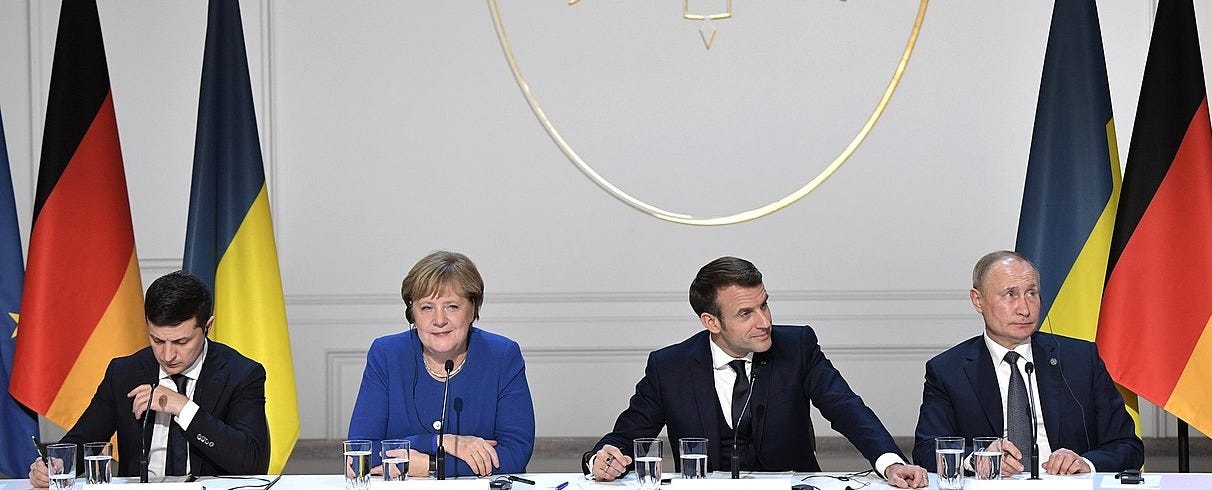
The follow-up Minsk II agreement, signed on February 11–12, 2015, in Minsk after intense combat around Debaltseve, was brokered by the Normandy Format (Ukraine, Russia, France, and Germany). It outlined 13 points, including a ceasefire, pullout of heavy weapons, OSCE monitoring, constitutional reform for decentralization, local elections in separatist areas, amnesty, withdrawal of foreign armed groups, and restoration of economic ties. The agreement reduced large-scale combat but never fully stopped violations, with the OSCE reporting thousands of ceasefire breaches annually. The Normandy Format held several meetings between 2015 and 2021 (Paris 2015, Berlin 2016, Paris 2019, Berlin 2020), achieving some prisoner exchanges and partial disengagements but failing to implement the political provisions. No full political settlement was reached, and the contact line remained divided until the 2022 invasion.
Background: Previous Peace Efforts Since 2022
Direct negotiations between Russia and Ukraine began shortly after the invasion. The first round took place on February 28, 2022, on the Belarus-Ukraine border. Discussions centered on a ceasefire, humanitarian corridors, and troop withdrawal. No agreement was reached, and the talks were described as preliminary.
Subsequent rounds occurred on March 3, March 7, March 10, and March 14–16, 2022, some on the Belarus border and others in Antalya, Turkey. A draft framework emerged, often referred to as the Istanbul Communiqué, proposing Ukraine’s non-NATO status, military limits, security guarantees from Western countries, and no requirement to recognize Crimea’s annexation. The talks collapsed by mid-April 2022 amid battlefield shifts, revelations of alleged Russian war crimes, and mutual distrust.
From mid-2022 to 2024, no major direct bilateral peace talks occurred. Diplomacy focused on prisoner exchanges, humanitarian issues, and multilateral forums. The Black Sea Grain Initiative, brokered by the United Nations and Turkey in July 2022, allowed Ukrainian grain exports but expired in 2023 without renewal.
In 2025, renewed efforts emerged under the Trump administration. Trump pushed for a ceasefire and engaged directly with Ukrainian President Volodymyr Zelenskyy and Russian President Vladimir Putin. A bilateral summit in Anchorage, Alaska, in August 2025 produced no formal deal but was referenced in later discussions. Early drafts circulated in late 2025, involving territorial concessions, military caps, and security arrangements.
The 2026 talks built on this momentum, with the Abu Dhabi meetings marking the first trilateral format since the invasion. The discussions involved expert-level meetings with military representatives from all sides. The U.S. delegation was led by Special Envoy Steve Witkoff. Ukraine’s team included Rustem Umerov and Kyrylo Budanov. Russia’s delegation was headed by Admiral Igor Kostyukov, chief of the Main Intelligence Directorate.
The agenda covered military issues, economic matters, potential ceasefire parameters, territorial disputes, and security guarantees. Discussions addressed the Donbas region, particularly the remaining Ukrainian-held parts of Donetsk oblast. All sides described the talks as constructive. Zelenskyy noted that much was discussed and that further meetings could occur soon. Witkoff called the talks very constructive and said progress had been made. The Kremlin described the dialogue as beginning in a constructive way.
No final agreement or breakthrough was reached. The parties agreed to consult their capitals and coordinate next steps. The next round is scheduled for February 1, 2026, in Abu Dhabi, with potential for one or two days of meetings.
Trump’s Reactions
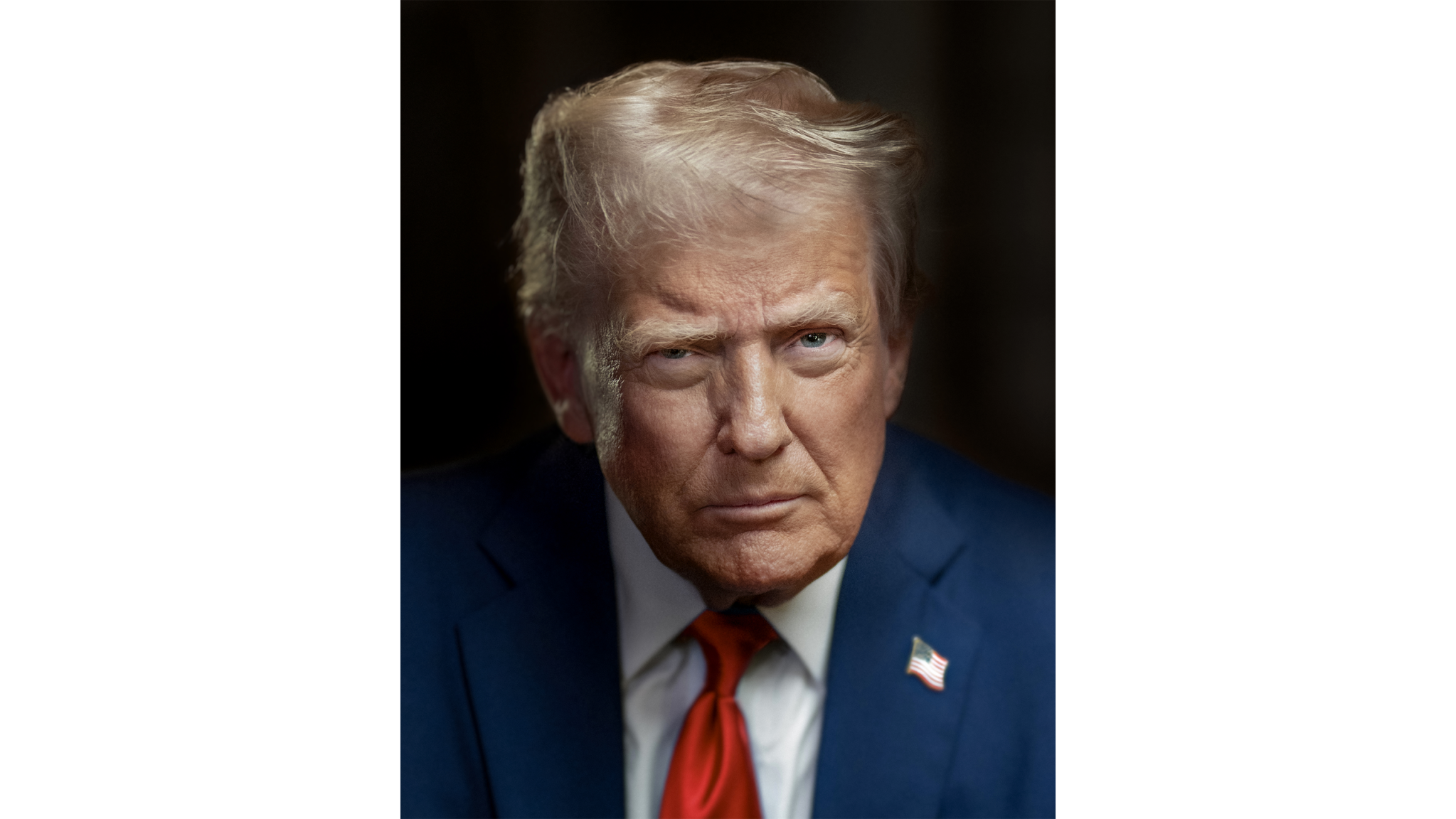
President Trump has expressed optimism about the peace process. In mid-January 2026, he stated that Ukraine was less ready for a deal than Russia and that Putin was prepared to negotiate. He described the talks as producing good progress and said the sides were reasonably close. Trump met with Zelenskyy in Davos in January 2026 and called the meeting good. He warned that both sides needed to compromise or risk prolonging the war. Trump has linked U.S. security guarantees for Ukraine to a deal involving concessions and has threatened sanctions on Russia if no progress occurs.
Trump’s approach has emphasized direct engagement. He has spoken with Putin multiple times, including a three-hour call in late December 2025 and the January 22, 2026, meeting with his envoys. Trump has stated that the talks are advancing and that “very good things are happening” in U.S.-led diplomacy. He has described Putin as “ready to make a deal” and has urged both sides to move forward quickly.
Ukraine’s Reactions
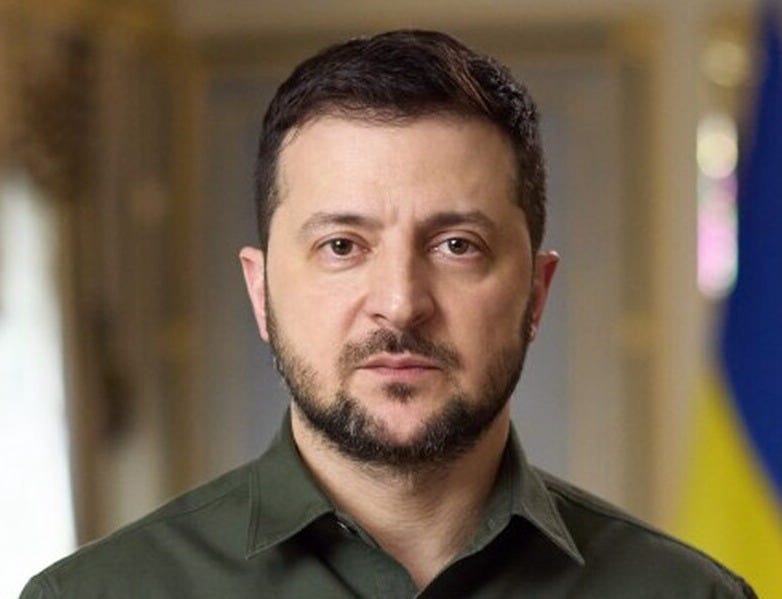
Ukrainian President Volodymyr Zelenskyy described the Abu Dhabi talks as constructive and important. He said a lot was discussed, including possible parameters for ending the war and security conditions. Zelenskyy emphasized that Ukraine is ready to move forward and that further meetings could take place soon. He has maintained that Ukraine is committed to peace and that Russia bears responsibility for the conflict. Zelenskyy condemned ongoing Russian strikes during the talks, stating they discredit diplomacy and hit both Ukrainian people and the negotiation table.
Ukrainian negotiators reported back positively on the process. They described the Russian delegation as more serious than in past rounds, though skepticism remains about Putin’s willingness to compromise. Ukraine’s core positions include no unilateral territorial concessions, full accountability for war crimes, prisoner and child returns, and strong security guarantees. Zelenskyy has stated that a bilateral U.S.-Ukraine security agreement is “100% ready” to be signed, pending confirmation of date and place. He views this as a top priority for post-war deterrence.
Russia’s Reactions
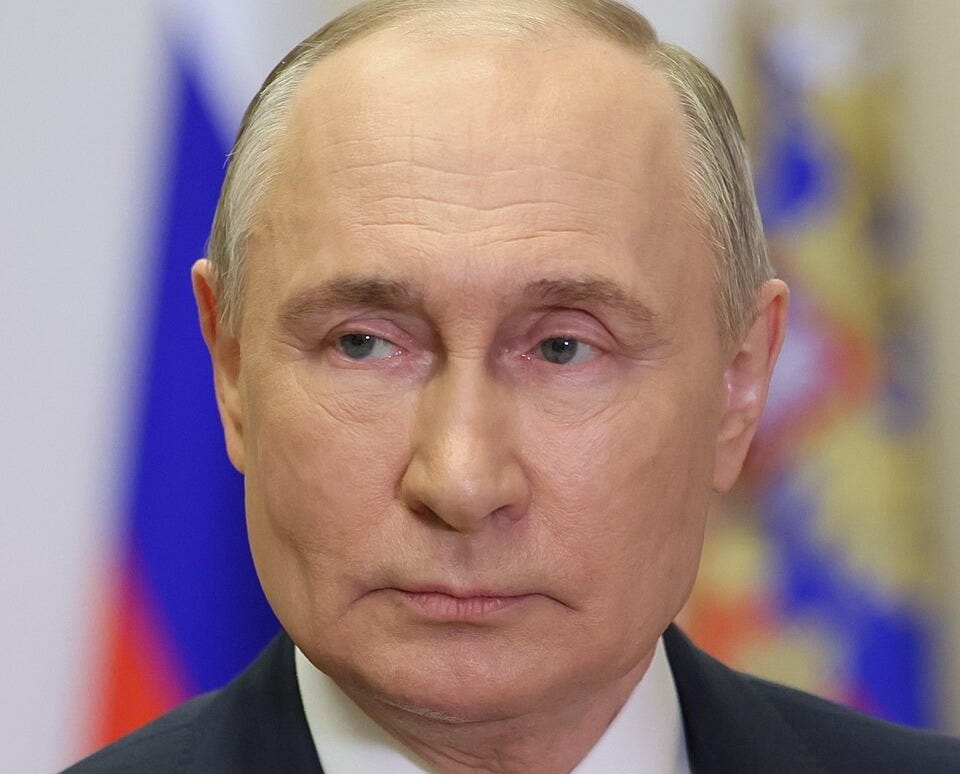
Russian officials described the talks as constructive and positive. Kremlin spokesman Dmitry Peskov said the dialogue began in a constructive way and that the fact of direct contacts can be assessed positively. He emphasized that major challenges remain and serious work is ahead. Peskov reiterated that the territorial issue, particularly Ukraine’s withdrawal from Donbas, is fundamental. Russian aide Yuri Ushakov described prior discussions as substantive and frank, stating that a long-term settlement is impossible without resolving the territorial issue. Russia maintains its position that Ukraine must cede remaining parts of Donetsk oblast and that any deal must address Russia’s security concerns.
The Russian delegation, led by Admiral Igor Kostyukov, focused on military and security aspects. Russian statements have emphasized adherence to understandings from previous summits, including the Anchorage Formula from August 2025. Russia has portrayed itself as open to negotiations but unwilling to bend to pressure.
Core Sticking Points and Positions
The talks have narrowed differences but remain stalled on core issues. Territory, particularly Donbas, is the primary gap. Russia demands Ukraine withdraw from remaining Ukrainian-held parts of Donetsk oblast. Ukraine rejects territorial concessions for land not won militarily. Security guarantees are another point of contention. Ukraine seeks binding U.S. commitments, while Russia rejects meaningful guarantees. Ceasefire sequencing remains unresolved, with disagreement on whether fighting stops before or after a full deal.
Other issues include neutrality, military limits, prisoner returns, and reparations. The sides continue to consult capitals and coordinate next steps.
International Reactions and Broader Context
European officials have expressed skepticism. German Foreign Minister Annalena Baerbock said Russia appears unwilling to move from maximalist demands. The European Union reiterated support for Ukraine’s territorial integrity. Ongoing military activity, including Russian strikes on Ukrainian cities, has continued during the talks.Public sentiment varies. Polls show approximately 61 percent of Russians support negotiations, while only 26 percent of Ukrainians believe talks will succeed. The process remains active under U.S. mediation, with momentum from the Abu Dhabi meetings.
Conclusion
The Russia-Ukraine peace talks in January 2026 represent a resumption of direct diplomacy after years of limited contact. The trilateral format in Abu Dhabi marked a step forward, but core divisions on territory and security guarantees persist.
The next round on February 1, 2026, will test whether progress can be made. The war’s ongoing costs and continued fighting underscore the urgency of a resolution.