
Casualties and Humanitarian Crisis in Ukraine: Estimates from 2022 to 2026
Overview of the human, financial, and material toll of the Russia-Ukraine war since 2022

By Scott Burton Official (24 min read)
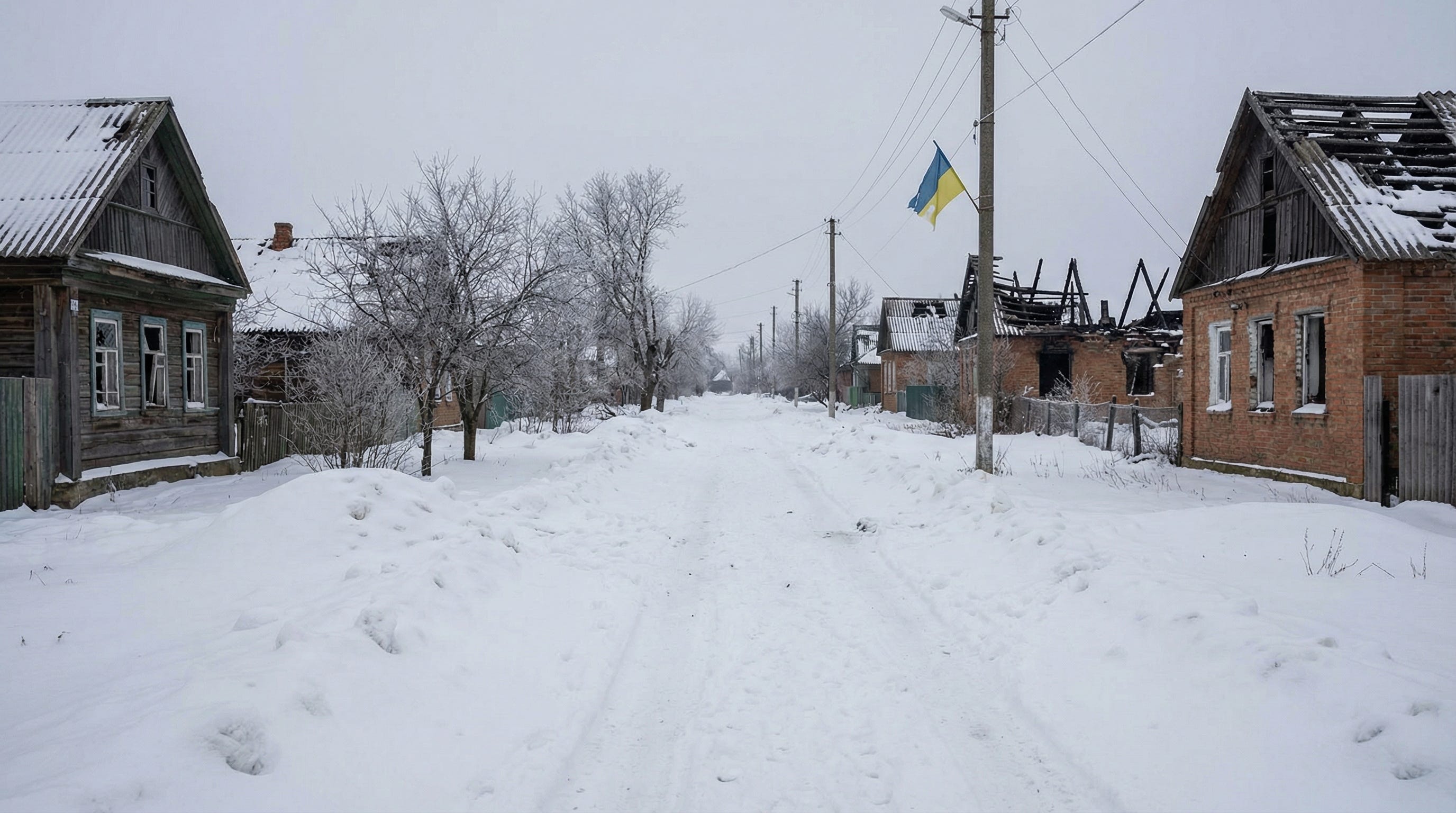
The Russia-Ukraine war, which escalated into a full-scale Russian invasion on February 24, 2022, has inflicted immense human, financial, and material costs on Ukraine and its neighbors, with ripple effects felt worldwide. Tens of thousands of civilians have been killed or injured, millions displaced, and infrastructure devastated, creating one of the largest humanitarian crises in modern Europe. The conflict has also drained hundreds of billions in international aid, strained economies through sanctions and energy disruptions, and heightened global security risks, including nuclear concerns. As of early 2026, the ongoing fighting continues to generate new casualties and deepen humanitarian needs, with reconstruction costs projected at over $1 trillion and no immediate resolution in sight. The war’s long-term challenges include mental health impacts, environmental contamination, and strained international relations.
Human Loss of Life and Injuries
The war’s toll on human life has been profound, affecting civilians and combatants across Ukraine and in Russian border regions. Civilian casualties have been documented since the invasion’s outset, with verified deaths and injuries numbering in the tens of thousands. From February 2022 to December 2025, civilian deaths reached 14,999 and injuries 40,601, totaling 55,600 civilian casualties. These numbers represent minimum figures, as access to occupied territories and frontline areas remains limited for verification teams.
Casualties were highest in the invasion’s early months, when urban sieges and rapid advances led to intense fighting in populated areas. In 2022, deaths reached 7,000 and injuries 11,000, with heavy losses during the siege of Mariupol and assaults on Kharkiv and other cities. The rate declined in 2023 to 1,974 deaths and 6,651 injuries as front lines stabilized and fighting shifted to more rural Donbas regions. In 2024, casualties rose to 2,088 deaths and 9,138 injuries amid intensified drone and missile strikes on civilian infrastructure. The year 2025 saw the highest numbers since the initial invasion, with 2,514 deaths and 12,142 injuries, a 31 percent increase in deaths and 70 percent in injuries from the previous year.
Causes of civilian casualties include artillery shelling, drone attacks, mines, and airstrikes. Short-range drones accounted for a growing share in 2025, while long-range weapons killed 548 civilians and injured 3,592, up 26 percent in deaths and 75 percent in injuries from 2024. Urban areas far from the front, such as Kyiv, saw casualties nearly four times higher in the first ten months of 2025 than all of 2024. Similar increases occurred in Dnipro and Zaporizhzhia.
Military casualties are harder to quantify due to official secrecy and restricted access. Ukrainian President Volodymyr Zelenskyy stated in December 2024 that 43,000 Ukrainian soldiers had been killed and 370,000 injured since 2022. Russian figures remain unconfirmed, but independent estimates from the U.K. Ministry of Defence put Russian deaths at 20,000 and wounds at 40,000 from February 2022 to November 2023. The Economist estimated 73,000–140,000 Russian killed up to July 2025. Former CIA director William Burns assessed 1,100,000 Russian casualties as of January 2026.
Missing and detained persons add to the human loss. The International Committee of the Red Cross reported thousands of prisoners of war and civilians detained on both sides. The United Nations has documented cases of torture and mistreatment in detention facilities. Prisoner exchanges have occurred periodically, with several hundred released in 2025 and 2026. The OSCE has facilitated some of these exchanges, but many families still await news of loved ones.
Long-term effects on survivors include physical disabilities and mental health issues. The World Health Organization estimates that millions suffer from post-traumatic stress disorder and depression as a result of the conflict. The war has also left thousands of amputees and individuals with severe injuries requiring lifelong care.
Displacement and Refugee Crisis
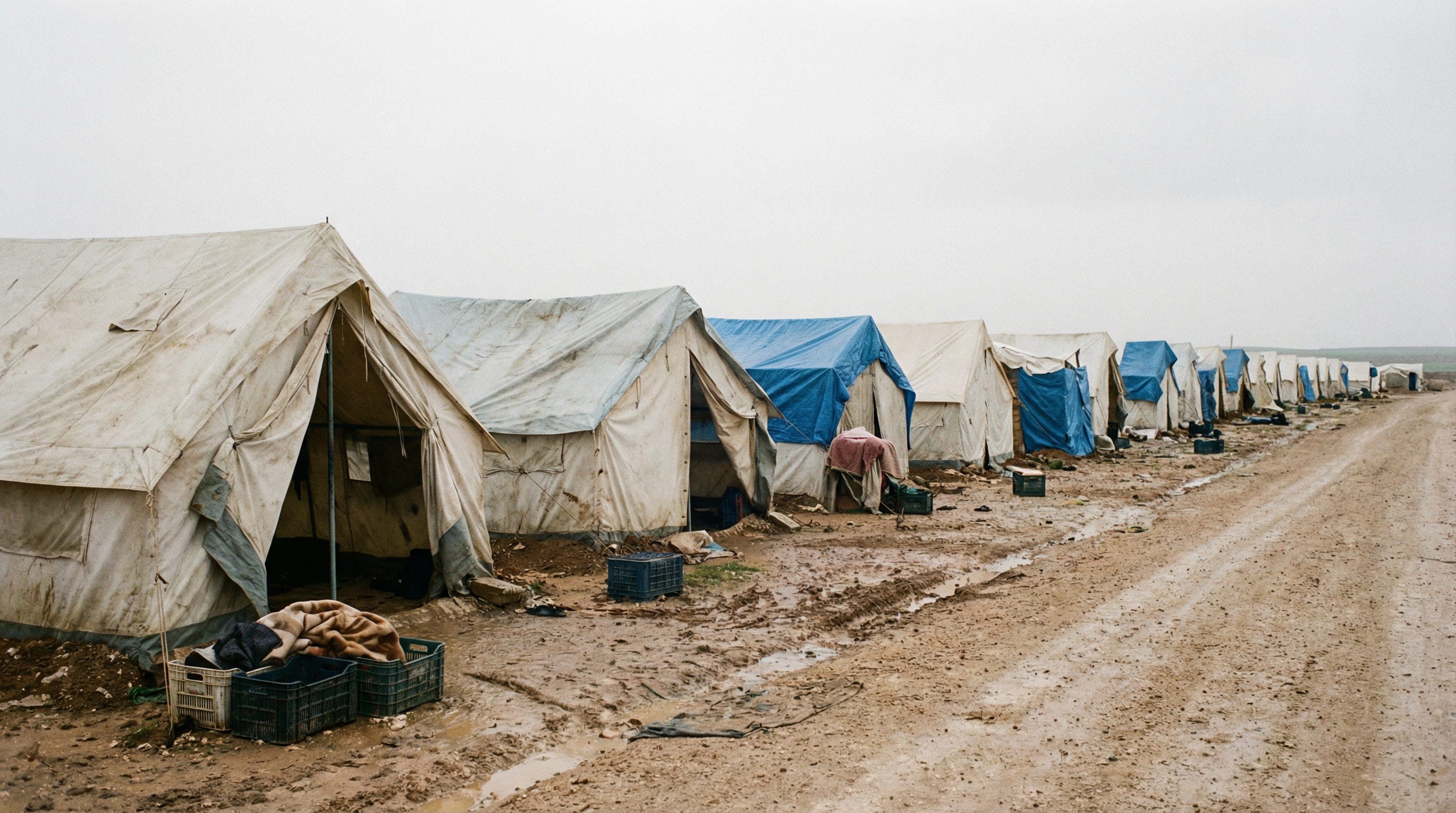
The war has forced millions from their homes, creating one of the largest displacement crises in Europe since World War II. As of early 2026, the United Nations High Commissioner for Refugees (UNHCR) estimates 3.7 million internally displaced persons within Ukraine. The majority come from frontline regions like Donbas and Kherson oblasts, where ongoing fighting makes return unsafe.
The refugee flow began with the 2014 conflict in Donbas and Crimea, which displaced 1.5 million people. The 2022 invasion caused the largest wave, with over 4 million fleeing in the first month alone. By 2026, approximately 6.9 million Ukrainians remain refugees abroad. Poland hosts the largest number, followed by Germany and other European countries.
Return rates are low due to ongoing fighting and destroyed infrastructure. Many refugees face legal and economic challenges in host countries. The economic impact on host nations is significant. Poland has spent over $10 billion annually on refugee support since 2022, according to government figures. Germany and the Czech Republic have reported similar burdens.
Child deportations have emerged as a particular concern. The International Criminal Court issued arrest warrants in 2023 for Russian officials accused of deporting 19,000 Ukrainian children from occupied territories. Russia maintains that the transfers were for safety reasons. The United Nations has called for the immediate return of all deported children. As of 2025, only around 1,850 children have been returned to Ukraine, according to humanitarian research estimates.
The displacement has disrupted families and communities. Many children have missed years of schooling, and elderly people have been separated from support networks. The crisis has also strained social services in host countries, with increased demand for housing, healthcare, and education.
Humanitarian Aid and Needs
Approximately 12.7 million people in Ukraine need humanitarian assistance as of 2026. Aid focuses on food, shelter, medical care, and education. The United Nations and partners have delivered billions in assistance since 2022.
Russia’s attacks on energy infrastructure have exacerbated the crisis, especially during winter months. Millions lost heat and electricity in 2025. Humanitarian corridors have allowed limited evacuations from frontline areas. The International Red Cross and Red Crescent have facilitated these corridors, enabling the delivery of supplies to besieged cities.
Aid from non-Western sources has supplemented Western efforts. China has provided economic assistance to Russia, while India has sent medical supplies to Ukraine. Turkey has facilitated grain deals and prisoner exchanges.
The humanitarian response has included emergency food distributions, cash assistance, and medical supplies. However, funding shortfalls have limited operations. The UN appealed for $3.1 billion in 2026 to meet basic needs. Access to occupied areas remains restricted, complicating aid delivery.

Property and Infrastructure Damage
The war has caused extensive property and infrastructure damage. The World Bank estimates reconstruction costs at $486 billion as of 2025, with projections exceeding $1 trillion by 2026. Thousands of schools, hospitals, and homes have been destroyed or damaged.
Specific sectors have suffered heavily. The energy grid has been a primary target, with Russian strikes causing blackouts affecting millions. Transportation infrastructure, including bridges and railways, has been disrupted, hindering aid delivery. Agricultural land in Donbas and southern Ukraine remains contaminated by mines and unexploded ordnance.
Environmental costs add to the property damage. Mine contamination affects 25 percent of Ukraine’s land, according to the United Nations. Chemical pollution from shelling and destroyed facilities has contaminated water sources and soil. The destruction of the Kakhovka dam in 2023 caused widespread flooding and environmental damage in the south. Cleanup costs for environmental damage are estimated at $38 billion. The war has generated 237 million tons of CO2 equivalent emissions, valued at $44 billion in climate damage.
The damage has disrupted daily life and economic activity. Power outages have affected hospitals and water supplies. Rebuilding efforts will require sustained international support and coordination.
Global and Regional Impacts on Peace and Security
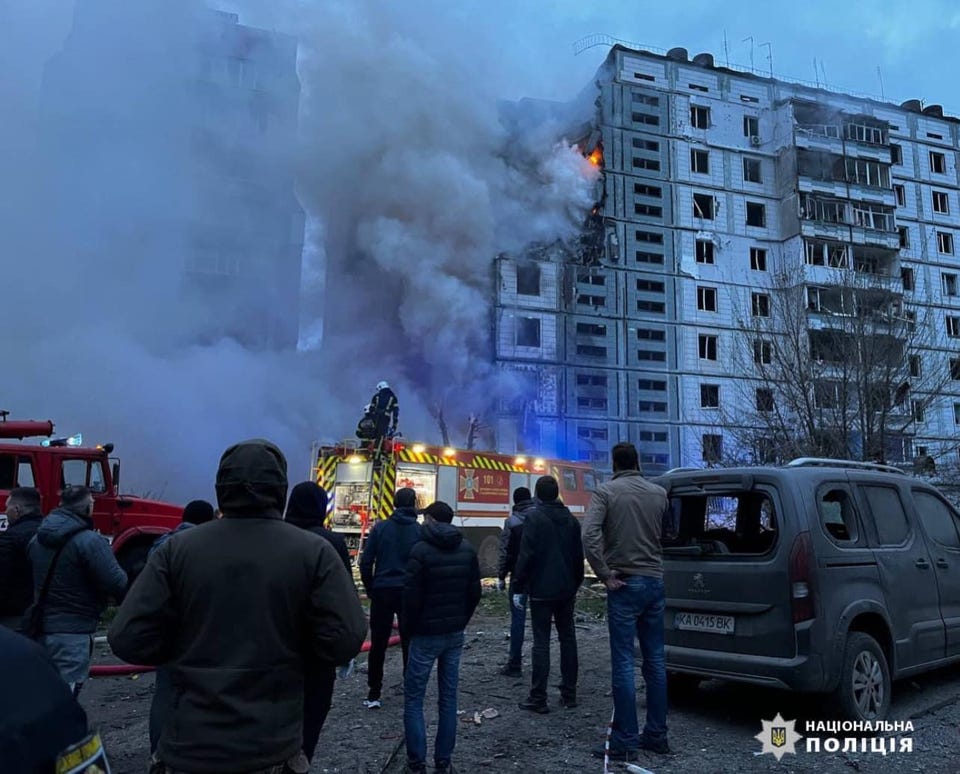
The war has disrupted global peace and security. It has led to increased military spending worldwide and accelerated NATO expansion. Finland and Sweden joined the alliance in 2023 and 2024, citing the invasion as a catalyst.
Regional effects include refugee strain on Europe. The influx has cost host countries billions in support. The Black Sea grain deal, brokered in 2022, helped mitigate global food shortages but expired in 2023, leading to higher prices.
Nuclear risks have heightened tensions. Incidents at the Zaporizhzhia nuclear plant, Europe’s largest, raised fears of radiation leaks. Russia’s nuclear rhetoric has contributed to escalation concerns.
The war has influenced global arms markets. Drone and missile technology proliferation has increased, with countries observing the conflict’s lessons. Defense budgets in Europe have risen by 20 percent since 2022.
Effects on U.S.-Russia Relations and Trump’s Role
U.S.-Russia relations deteriorated before the invasion. Sanctions were imposed after 2014 events in Crimea and Donbas. Investigations into Russian election interference in 2016 further strained ties.
During the war, the Biden administration provided over $66 billion in aid to Ukraine from 2022 to 2024. Trump criticized the spending during his campaign.
In 2025 and 2026, Trump engaged directly with Putin and Zelenskyy on peace efforts. Bilateral trade has suffered. U.S. energy sanctions have cost Russia over $100 billion in exports annually since 2022.
The 2026 outlook involves ongoing U.S. mediation. Trump has stated intentions to negotiate a settlement, potentially involving aid reductions.

Conclusion
The Russia-Ukraine war’s costs extend far beyond the battlefield. Human losses, displacement, financial burdens, property destruction, and global disruptions have defined the conflict from 2022 to 2026. As peace talks continue, the humanitarian crisis remains a central challenge for all parties involved. Reconstruction and recovery will require sustained international support for years to come.