
Vladimir Putin: From Leningrad Childhood to Leadership in the Russia-Ukraine Conflict
Profile of Russian President Vladimir Putin from his early years in Leningrad through his KGB career and role in the ongoing conflict

By Scott Burton Official (18 min read)
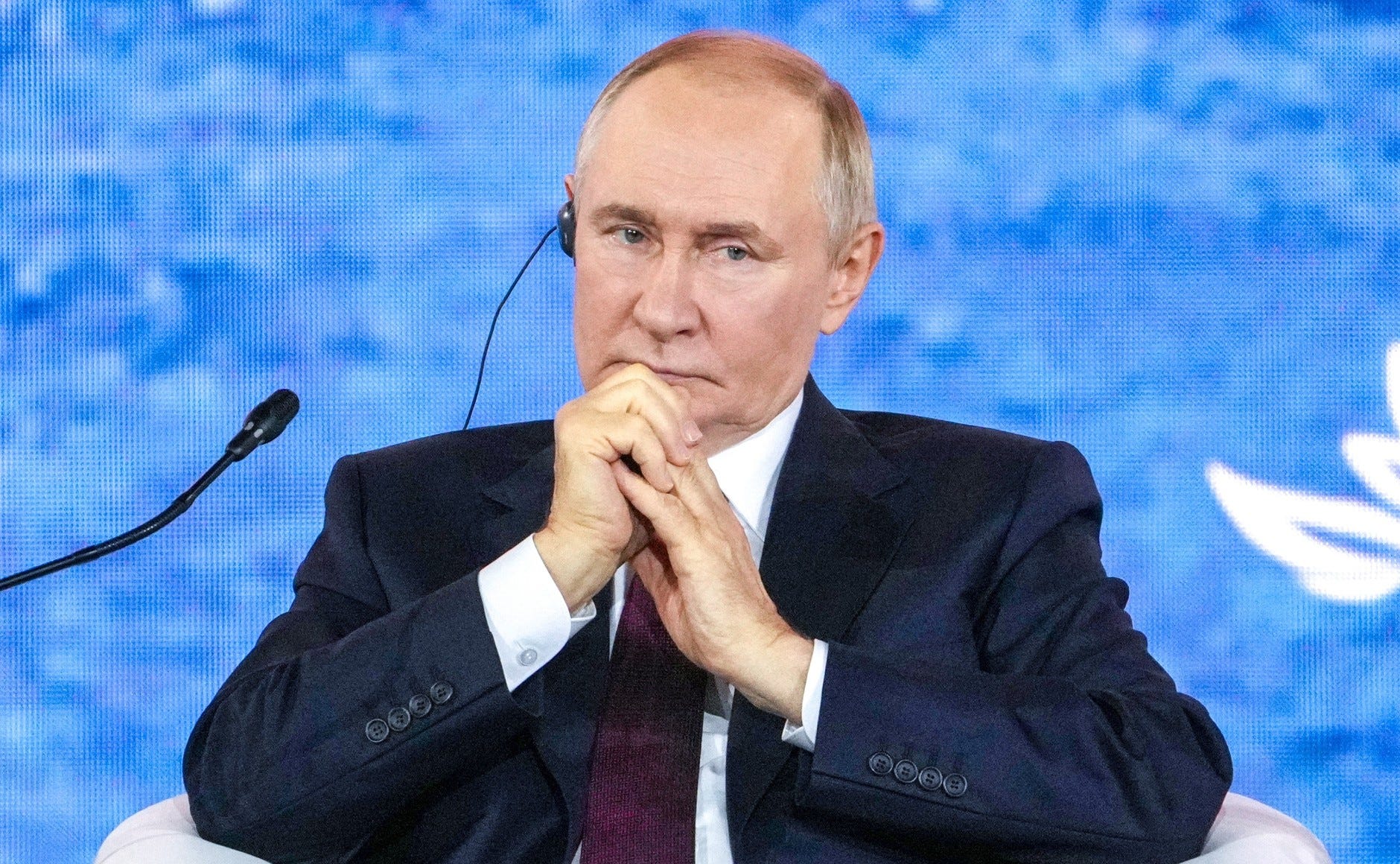
Vladimir Vladimirovich Putin has served as president of Russia since May 7, 2012, after previously holding the office from 2000 to 2008 and serving as prime minister from 2008 to 2012. He has led Russia during the full-scale invasion of Ukraine that began in February 2022. Before entering politics, Putin spent 15 years in the KGB and its successor agency, rising through the ranks of Soviet and post-Soviet intelligence.
Childhood and Early Years
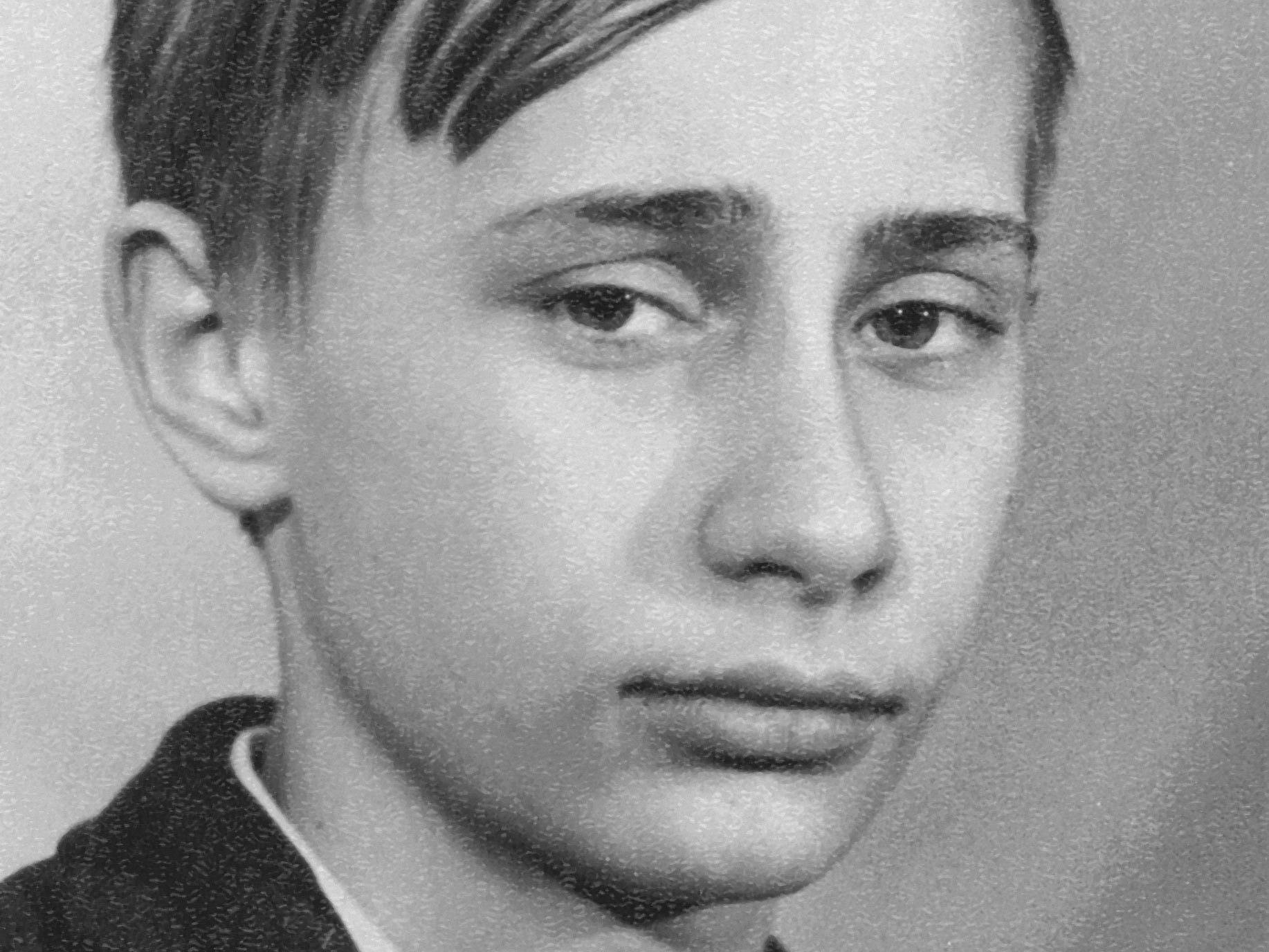
Putin was born on October 7, 1952, in Leningrad (now St. Petersburg), then part of the Soviet Union. His father, Vladimir Spiridonovich Putin, was a factory worker and a veteran of the Soviet Navy who served in the submarine fleet during World War II. His mother, Maria Ivanovna Putina, worked in a factory and as a cleaning woman. Putin was the youngest of three sons; his two older brothers died in childhood, one during the Siege of Leningrad and the other from diphtheria.
The family lived in a communal apartment in Leningrad, sharing a single room with two other families. Putin grew up in a working-class neighborhood known for its rough conditions. He trained in judo and sambo from age 12 and earned a black belt in judo. He has described his childhood as shaped by the post-war hardships of Leningrad and the discipline of martial arts.
Education
Putin graduated from secondary school in 1970. He enrolled at Leningrad State University (now Saint Petersburg State University) and studied law, earning a degree in 1975. His thesis focused on international law and the role of the state. During university, Putin joined the Communist Party of the Soviet Union and participated in Komsomol activities.
KGB Career
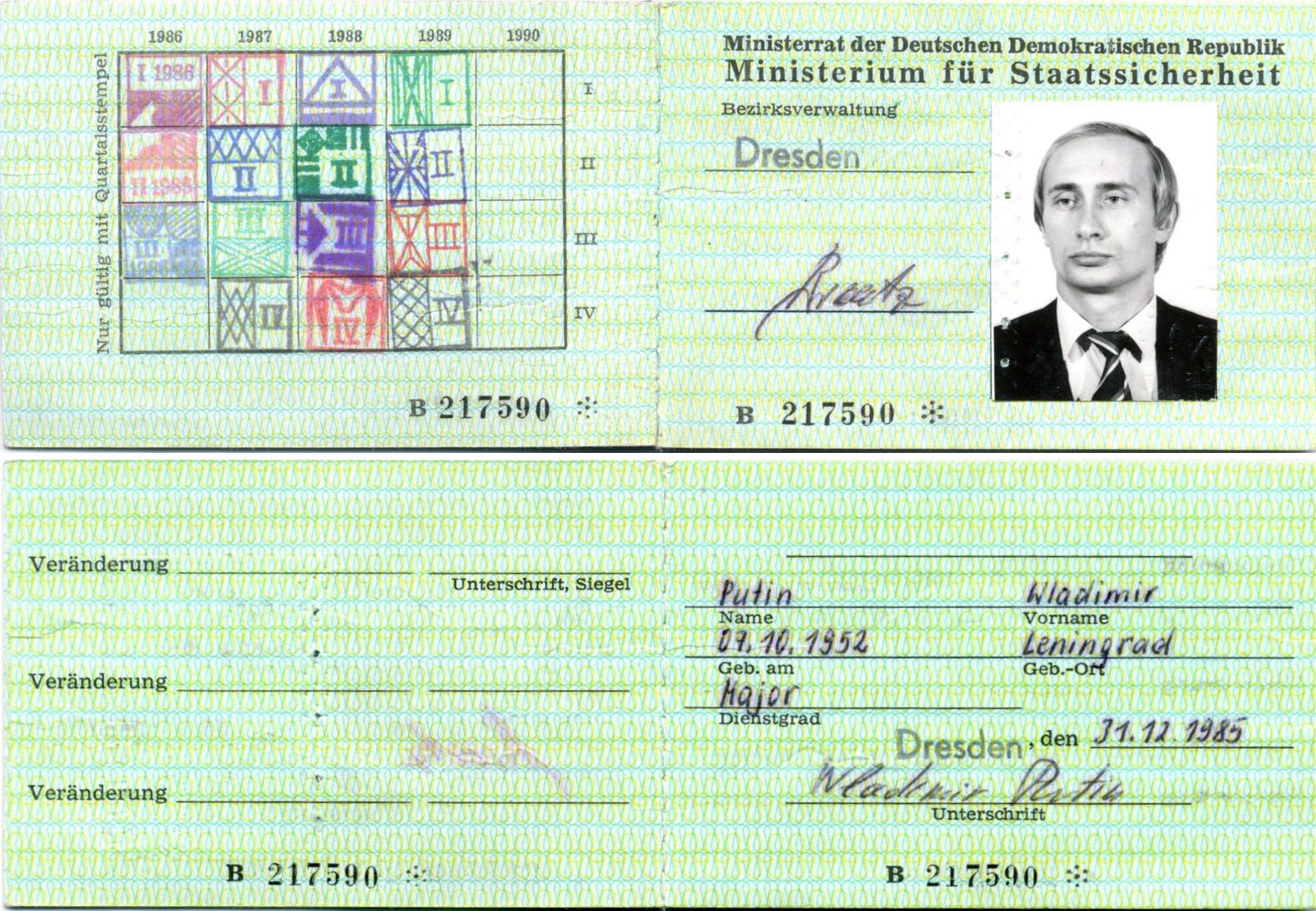
After graduation, Putin joined the KGB in 1975. He underwent training at the Andropov Red Banner Institute in Moscow and served in the counterintelligence directorate in Leningrad. In 1985, he was posted to Dresden, East Germany, where he worked in foreign intelligence, monitoring dissidents and Western contacts.
Putin remained in Dresden until 1990, when he returned to Leningrad amid the collapse of East Germany and the Soviet bloc. He resigned from the KGB in 1991 with the rank of lieutenant colonel. He has stated that his KGB service taught him discipline, loyalty, and operational skills.
Rise to Power
In 1990, Putin joined the administration of Anatoly Sobchak, mayor of Leningrad (later St. Petersburg). He served as Sobchak’s advisor on international relations and later as deputy mayor responsible for external affairs. In 1996, after Sobchak lost re-election, Putin moved to Moscow and joined the presidential administration under Boris Yeltsin.
In 1998, Putin was appointed director of the FSB (Federal Security Service), the KGB’s successor agency. In August 1999, Yeltsin named him prime minister. When Yeltsin resigned on December 31, 1999, Putin became acting president. He won the presidential election in March 2000 with 53 percent of the vote.
Early Presidency and Consolidation of Power
Putin served his first two terms from 2000 to 2008. He oversaw economic recovery driven by rising oil prices and implemented centralization measures. He restructured regional governance, limited opposition media, and strengthened control over parliament. In 2008, constitutional term limits prevented a third consecutive term, so Putin became prime minister under President Dmitry Medvedev.
Putin returned to the presidency in 2012 after winning the election with 63.6 percent of the vote. He faced protests over alleged electoral fraud and responded with laws restricting demonstrations.
Relationship with the Russian People
Putin maintains high approval ratings among the Russian population. State polls consistently show support above 70 percent, with peaks during national crises or military actions. Independent surveys indicate lower but still substantial support, particularly among older and rural voters.
His public image emphasizes strength, patriotism, and stability. He has cultivated a persona through judo demonstrations, outdoor activities, and state media portrayals. Critics point to restrictions on opposition and independent media as factors influencing public opinion.
As of 2026, public opinion polls in Russia continue to show strong support for Putin, particularly in relation to the conflict in Ukraine. State media portray the operation as a necessary defense of national interests.
Relationship with NATO
Putin has consistently opposed NATO enlargement since the late 1990s. He has described the alliance’s eastward expansion as a threat to Russian security. In 2007, he delivered a speech at the Munich Security Conference criticizing NATO and U.S. unilateralism. Russia suspended participation in the Conventional Forces in Europe treaty in 2007 and withdrew from the Intermediate-Range Nuclear Forces treaty in 2019.
In 2021 and 2022, Putin demanded legal guarantees against further NATO expansion and removal of alliance infrastructure from countries that joined after 1997. NATO has stated that it is a defensive alliance and that enlargement is driven by sovereign decisions of member states.
As of 2026, Putin continues to cite NATO expansion as a primary cause of the conflict in Ukraine. He has stated that Russia’s security concerns remain unresolved.
Relationship with Donald Trump
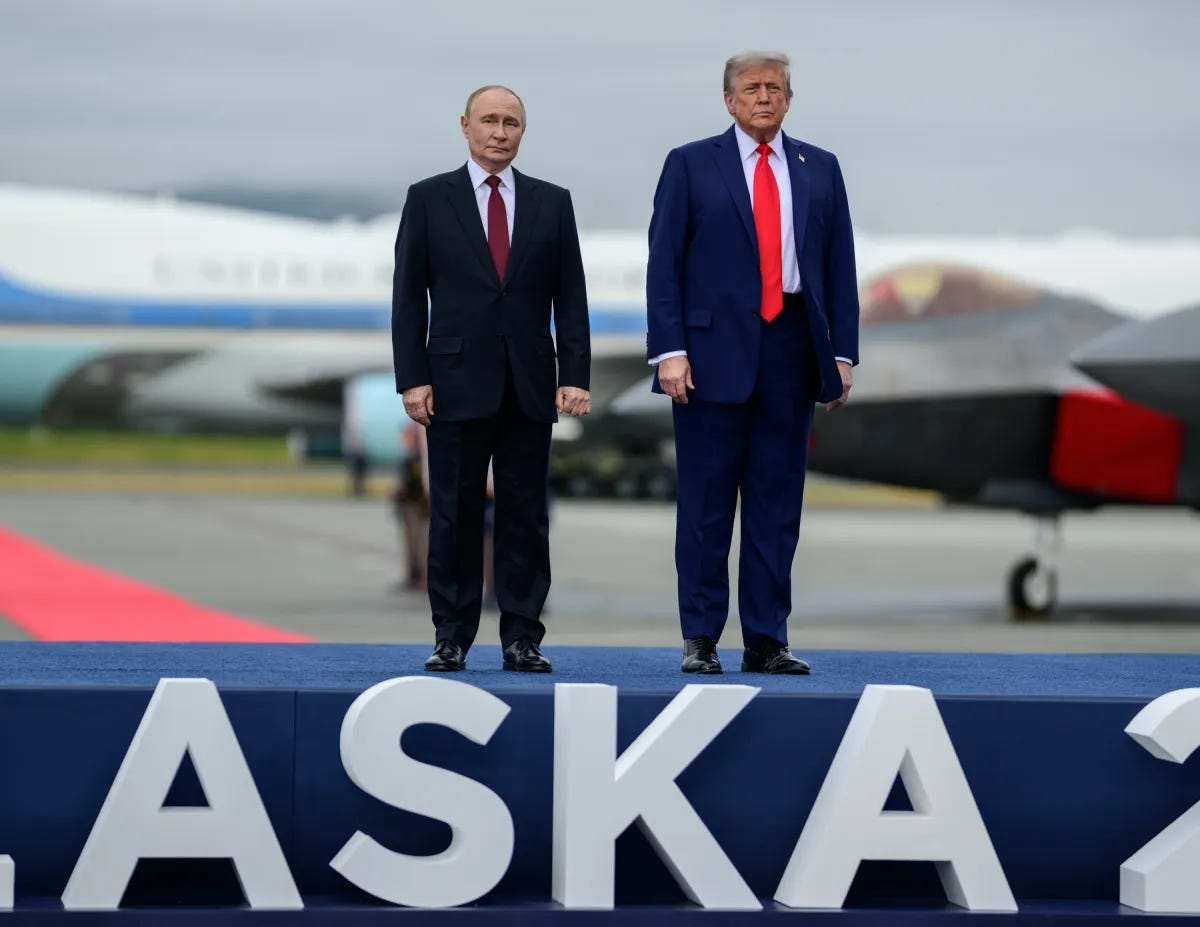
Putin and Trump have had multiple interactions since 2016. Trump expressed admiration for Putin’s leadership style during his first term. The two leaders met several times, including at the Helsinki summit in 2018. Trump has described Putin as “smart” and “strong,” while Putin has called Trump a “bright person.”
Relations were complicated by U.S. sanctions on Russia, investigations into election interference, and differing positions on Ukraine. Trump has stated he would seek to negotiate an end to the war in Ukraine if re-elected.
In 2025 and 2026, Trump engaged directly with Putin on the conflict. Putin informed Trump of an alleged Ukrainian drone attack on his Valdai residence in late December 2025. Trump described the claim as serious and expressed anger, stating it complicated negotiations but did not halt efforts.
Relationship with Volodymyr Zelenskyy
Putin and Zelenskyy have had limited direct contact. Zelenskyy campaigned in 2019 on ending the war in Donbas through negotiations. The two leaders met in the Normandy Format in 2019 and 2020, resulting in prisoner exchanges and partial disengagements.
After the 2022 invasion, Putin has refused direct talks with Zelenskyy, stating that Ukraine’s leadership lacks legitimacy. Zelenskyy has maintained that negotiations require Russian withdrawal from occupied territories.
In 2025 and 2026, no direct meetings have occurred. Putin has stated that Russia’s objectives in Ukraine remain unchanged.
Current Role and Challenges
Putin directs Russia’s military and diplomatic efforts in the ongoing conflict in 2026. He has stated that the operation in Ukraine will continue until its objectives are achieved. Russia faces international sanctions and economic pressure while maintaining domestic stability.
Putin has continually emphasized national sovereignty and resistance to Western influence as guiding principles of his leadership.